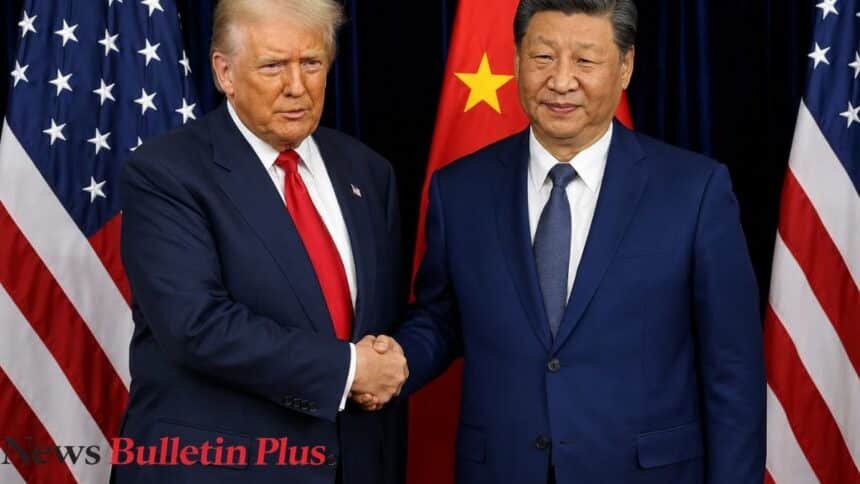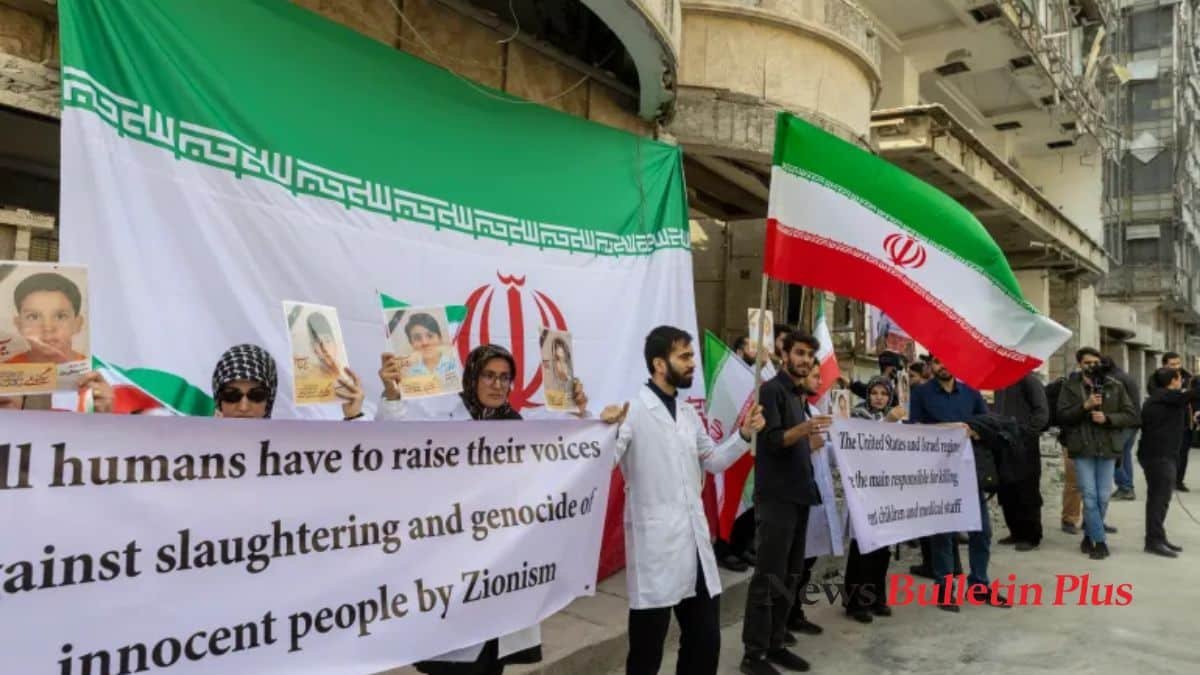
The growing war on Iran medicines and vaccines is drawing alarm from health experts and humanitarian groups, as new reports suggest that sanctions and restrictions linked to the United States and Israel are severely disrupting access to essential drugs and immunizations in Iran.
What was once framed as targeted economic pressure is now being described by analysts as a widening public health emergency—one that could ripple beyond Iran’s borders.
What Happened
Recent findings highlight how financial sanctions and regulatory barriers are affecting Iran’s ability to import life-saving medicines and vaccines. Although humanitarian goods are technically exempt, banking restrictions and compliance fears among global suppliers have made transactions extremely difficult.
As a result, Iran medicine shortages are becoming more frequent, particularly for treatments related to cancer, rare diseases, and chronic illnesses. Doctors inside the country report delays in receiving essential drugs, while some hospitals have been forced to ration supplies.
The situation has also intensified the vaccine supply Iran crisis, with procurement challenges slowing access to newer immunizations and booster programs. Health officials warn that this could weaken national vaccination coverage, especially in vulnerable populations.
Background of the Story
Sanctions on Iran are not new. For years, the United States has imposed economic restrictions aimed at curbing Iran’s nuclear program and regional influence. Israel, meanwhile, has long advocated for stricter measures against Tehran.
However, critics argue that the intersection of sanctions and global financial systems has created unintended consequences. Even when medicines are exempt on paper, companies often avoid dealing with Iran altogether to sidestep legal risks.
This has led to growing concern about US Israel sanctions Iran healthcare and whether current policies are indirectly targeting civilians. According to data cited by humanitarian organizations, imports of certain critical medicines have dropped sharply over the past few years.


Reactions and Statements
Officials in Iran have condemned the situation, calling it a form of “economic warfare” that disproportionately harms ordinary citizens.
A spokesperson from Iran’s health ministry recently stated that “patients are paying the price for political disputes,” pointing to shortages of chemotherapy drugs and insulin.
International organizations have echoed these concerns. The World Health Organization has repeatedly emphasized that access to essential medicines should never be compromised by geopolitical tensions.
Meanwhile, some policymakers in Washington maintain that humanitarian channels remain open. They argue that mechanisms exist to facilitate medical trade, though critics say these systems are often too complex or ineffective in practice.
Global or Political Impact
The implications go far beyond Iran. Analysts warn that the humanitarian impact sanctions could set a troubling precedent for other countries under similar restrictions.
A weakened healthcare system in Iran could also contribute to a broader global health crisis Iran, particularly if infectious diseases spread due to gaps in vaccination or treatment.
There are also concerns about regional stability. Health crises can exacerbate economic hardship, increase public dissatisfaction, and strain government resources—factors that may influence political dynamics within Iran and across the Middle East.
Experts at international think tanks note that prolonged pharmaceutical restrictions in Iran could discourage global cooperation in future health emergencies, especially if countries fear being cut off from medical supplies.
Expert Analysis
Public health specialists say the situation highlights a critical flaw in modern sanctions regimes.
“On paper, humanitarian exemptions exist,” said a policy analyst affiliated with a European health research institute. “But in reality, the financial system creates a chilling effect. Banks and suppliers simply don’t want to take the risk.”
Another expert pointed to the complexity of global supply chains. Even if a drug is approved for export, components or raw materials may still fall under restrictions, further complicating production and delivery.
This layered system has contributed to ongoing medical aid limitations in Iran, leaving hospitals dependent on inconsistent supply channels.
Timeline of Events
- 2018 – The United States reimposes sweeping sanctions on Iran after withdrawing from the nuclear deal
- 2020–2022 – COVID-19 pandemic exposes vulnerabilities in Iran’s healthcare supply chain
- 2023–2025 – Reports of increasing drug shortages and procurement challenges emerge
- 2026 – Renewed scrutiny over the impact of sanctions on medicines and vaccines
Key Takeaways
- Sanctions are indirectly affecting access to medicines despite official exemptions
- Shortages are impacting treatment for serious illnesses and vaccination programs
- Humanitarian organizations warn of long-term public health consequences
- The issue raises broader questions about the ethics and design of sanctions policies
Related Developments
The debate over sanctions and healthcare is not limited to Iran. Similar concerns have been raised in other sanctioned countries, where access to medical supplies has been disrupted by financial and logistical barriers.
At the same time, global health agencies are calling for clearer safeguards to ensure that essential goods can move freely, even in politically sensitive environments.
What Happens Next
The future remains uncertain. Some experts believe increased diplomatic engagement could ease restrictions on medical trade. Others argue that structural changes are needed within the global financial system to protect humanitarian transactions.
There are also calls for independent monitoring mechanisms to track the real-world impact of sanctions on healthcare systems.
Whether these proposals gain traction will depend largely on political will—and the willingness of major powers to prioritize public health alongside security concerns.
Why This News Matters
At its core, this story is about more than geopolitics. It is about access to basic healthcare.
The unfolding Iran healthcare system crisis raises difficult questions: Can sanctions be truly targeted if they affect hospitals and patients? And where should the line be drawn between political pressure and humanitarian responsibility?
For millions of Iranians, these are not abstract debates. They are daily realities—felt in delayed treatments, unavailable medicines, and uncertain futures.
As global tensions continue, the challenge will be finding a balance that protects both international security and human lives.
Source & Verification
This news topic is also reported by the international news organization Al Jazeera. War on Iran Medicines and Vaccines Raises Global Health Concerns
Risk Reference: