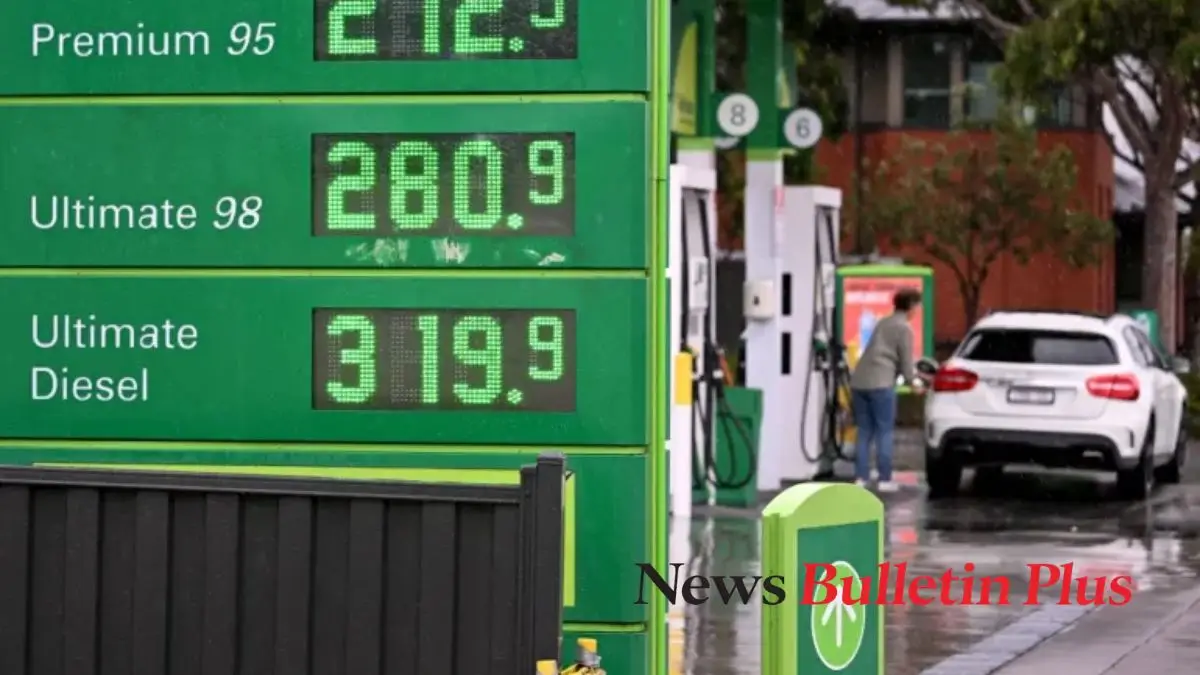
The Global Oil Demand outlook is taking a sharp hit as escalating conflict in the Middle East rattles already fragile energy markets. What began as a regional military confrontation is now rippling across global supply chains, raising fears of a fresh global energy crisis and a prolonged slowdown in economic activity.
Industry analysts say the situation is unusual. Typically, wars in oil-rich regions push consumption higher due to supply fears. This time, however, demand is falling—largely because economic uncertainty is outweighing consumption needs.
What Happened
The ongoing conflict in the Middle East has triggered a complex chain reaction across global markets. While initial headlines focused on supply risks and oil prices surge, recent data suggests a different story is unfolding.
According to early estimates from the International Energy Agency, global consumption forecasts have been revised downward. The reason? Slowing industrial activity, reduced transport demand, and rising costs are discouraging fuel use.
At the center of the crisis lies the Strait of Hormuz disruption, a critical chokepoint through which nearly a fifth of the world’s oil passes. Shipping delays, rising insurance costs, and security concerns have made it harder—and more expensive—to move crude النفط across the region.
This combination has created what experts call a “demand shock driven by fear,” rather than actual shortages.
Background of the Story
The Middle East has long been the heartbeat of global energy supply. Countries like Iran, Saudi Arabia, and Iraq play a crucial role in stabilizing oil markets.
However, the current conflict has introduced new uncertainties. The Iran war oil impact is particularly significant, given Tehran’s strategic position near vital shipping routes and its role in regional geopolitics.


Historically, disruptions in this region have led to price spikes. But this time, the story is more complicated.
Economic indicators from major economies—including China, the United States, and parts of Europe—already pointed to slowing growth before the conflict began. The war has only accelerated this trend, contributing to a fuel demand drop that is now visible in multiple sectors.
Reactions and Statements
Governments and industry leaders are watching closely.
A senior analyst at the Organization of the Petroleum Exporting Countries noted that “market sentiment is shifting rapidly, and uncertainty is driving both price volatility and demand concerns.”
Meanwhile, officials in Washington have warned that continued instability could worsen the Middle East war impact on global trade and energy flows.
Shipping companies operating near the Strait of Hormuz have also raised alarms. Some firms have reduced operations or rerouted vessels entirely, adding further strain to supply chains.
On the ground, the human cost of the conflict continues to rise. But beyond the immediate tragedy, economic consequences are becoming harder to ignore.
Global or Political Impact
The effects of this crisis are being felt far beyond the Middle East.
Economists say the current supply shock oil market dynamics could tip fragile economies into recession. Higher fuel costs combined with falling demand create a difficult balance for policymakers.
In Asia, manufacturing hubs are already reporting reduced output due to rising energy costs. In Europe, concerns over inflation are resurfacing just as central banks hoped to stabilize prices.
The global economy slowdown is no longer a distant possibility—it’s becoming a real risk.
At the same time, energy market volatility is making it harder for governments to plan. Sudden price swings are affecting everything from airline ticket prices to food transportation costs.
Expert Analysis
Energy experts say this situation defies traditional patterns.
“Usually, conflict in oil-producing regions leads to increased demand due to panic buying,” said an analyst at a leading London-based energy consultancy. “But what we’re seeing now is different—economic anxiety is suppressing consumption.”
Data from the International Energy Agency suggests that even a small disruption in supply routes like the Strait of Hormuz can have outsized effects on market confidence.
Another key factor is investor behavior. Financial markets are reacting quickly to every development, amplifying energy market volatility and creating sharp price fluctuations.
Timeline of Events
- Early 2026 – Rising geopolitical tensions in the Middle East
- Conflict Escalates – Military actions disrupt key oil routes
- Shipping Impact – Strait of Hormuz disruption affects global النفط flows
- Market Reaction – Oil prices surge initially amid supply fears
- Current Phase – Demand declines as economic uncertainty spreads
Related Developments
The crisis is unfolding alongside other global challenges.
Supply chain disruptions from previous years have not fully recovered. Add to that rising interest rates and geopolitical rivalries, and the picture becomes even more complex.
There are also concerns about long-term shifts in energy consumption. Some analysts believe the current الأزمة could accelerate the transition toward renewable energy as countries look to reduce dependence on unstable regions.
What Happens Next
Much depends on how the conflict evolves.
If tensions ease, markets could stabilize relatively quickly. But if fighting intensifies or spreads, the impact on Global Oil Demand could deepen further.
Diplomatic efforts are ongoing, with several countries pushing for de-escalation. However, there is no clear timeline for resolution.
Energy companies are also adjusting strategies—stockpiling reserves, diversifying supply routes, and investing in alternative sources.
Why This News Matters
This is not just another headline about oil prices.
The combination of falling demand and rising costs creates a unique challenge. It affects governments, businesses, and ordinary people alike.
For consumers, it could mean higher fuel prices despite weaker demand. For industries, it raises questions about future planning and investment.
And for policymakers, it presents a difficult balancing act—managing inflation while supporting economic growth.
Key Takeaways
- Global Oil Demand is declining despite ongoing conflict
- The Middle East war impact is disrupting supply routes and market confidence
- Strait of Hormuz disruption is a major factor in global energy instability
- Oil prices surge initially but demand weakens due to economic fears
- The crisis could contribute to a broader global economy slowdown
Conclusion
The current energy situation highlights how interconnected the world has become. A conflict in one region can quickly reshape global markets, influence economic trends, and affect everyday life.
What makes this moment particularly striking is the contradiction: rising prices alongside falling demand. It’s a reminder that markets are driven not just by supply and demand, but also by perception, risk, and uncertainty.
As the situation unfolds, one thing is clear—the impact of this crisis will be felt far beyond the Middle East, shaping the future of energy and the global economy in the months ahead.
Source & Verification
This news topic is also reported by the international news organization Al Jazeera. Global Oil Demand Plunges as Middle East War Disrupts Energy Markets
Risk Reference:
http://aljazeera.com/news/2026/4/14/global-oil-demand-to-plunge-amid-middle-east-war-disruptions