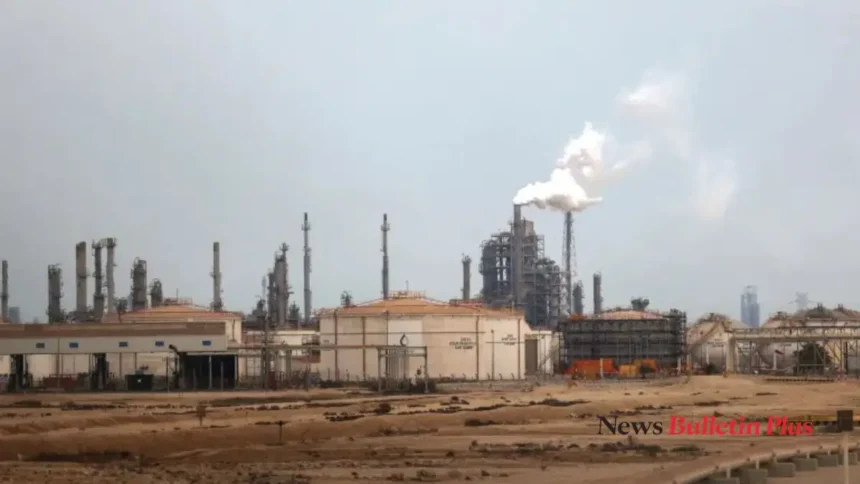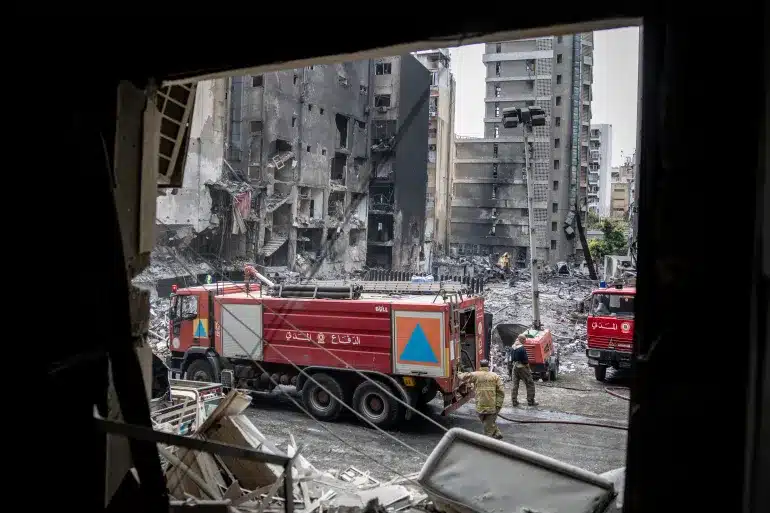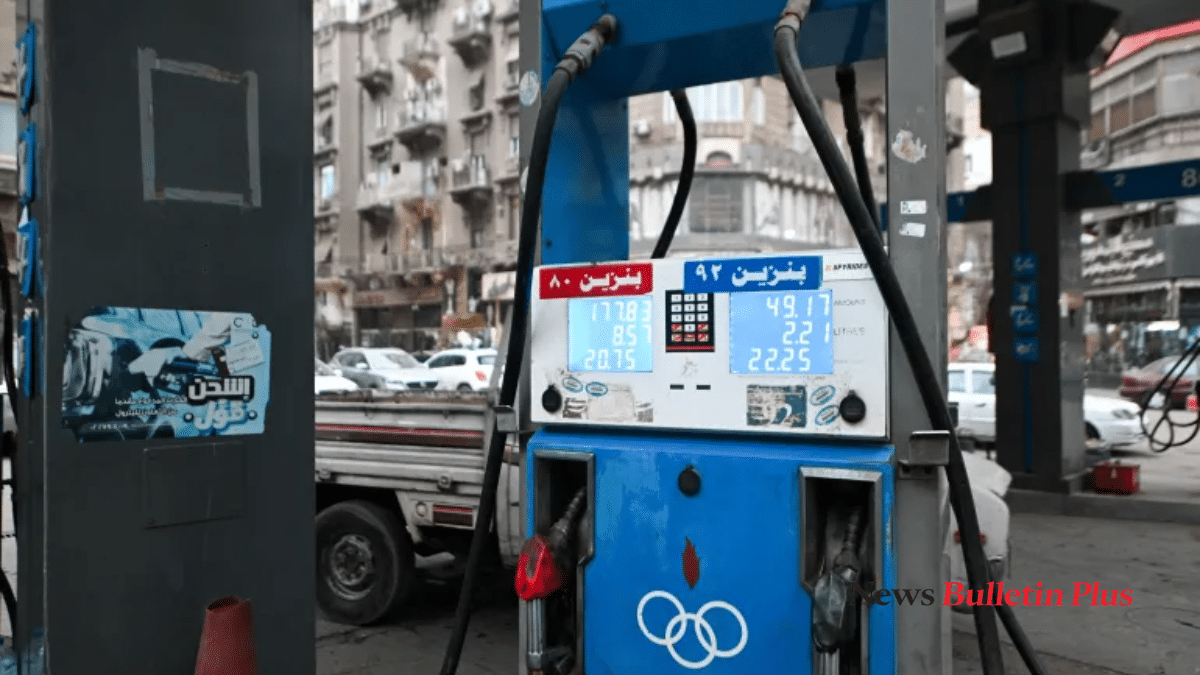
Egypt is grappling with a worsening energy emergency as the Egypt fuel crisis power cuts force sweeping restrictions across the country. From mandatory 9pm shop closures to a renewed push for remote work, authorities are taking urgent steps to manage a growing electricity shortfall that is affecting millions of residents and businesses.
The measures, announced this week, highlight the depth of the Egypt energy crisis 2026, as officials struggle to balance fuel supplies, rising demand, and mounting economic pressure.
What Happened
The government in Egypt has introduced strict energy-saving policies to cope with a severe power shortage Egypt is currently facing. Among the most impactful decisions:
- Shops and commercial outlets must close by 9pm in many areas
- Street lighting and public infrastructure are being reduced
- Government offices are expanding remote work Egypt government policies
- Air conditioning use is being restricted in public buildings
These steps aim to cut electricity consumption during peak hours, when demand spikes and the national grid comes under strain.
Officials say the situation is temporary, but many citizens are already feeling the effects. In busy districts of Cairo, shop owners report losing evening customers, traditionally a key part of daily revenue.
“It’s not just about closing early,” one retailer told local media. “Even during the day, fewer people are coming out because of the heat and uncertainty.”
Background of the Story
Egypt’s current energy troubles didn’t appear overnight. The country has long relied on a mix of natural gas, imported fuel, and domestic production to meet its electricity needs.
However, several factors have converged in recent months:


- A sharp rise in domestic electricity demand due to extreme heat
- Declining gas output from some local fields
- Increasing reliance on fuel imports
- Financial pressures limiting large-scale energy purchases
The global fuel crisis impact has also played a major role. Energy markets have remained volatile, with prices fluctuating due to geopolitical tensions and supply disruptions.
Analysts point to the ongoing Iran war energy effects as one of the contributing factors. Regional instability has affected oil and gas supply routes, pushing costs higher for importing nations like Egypt.
At the same time, the government has been gradually implementing an electricity price increase Egypt policy over recent years as part of economic reforms tied to international financial agreements. While intended to reduce subsidies and stabilize the economy, the price hikes have made energy less affordable for many households.
Reactions and Statements
Government officials insist that the measures are necessary to prevent a full-scale blackout.
In a televised statement, a senior energy official said:
“We are taking precautionary steps to ensure stability in the national grid. These are temporary sacrifices to avoid larger disruptions.”
Economists, however, warn that the impact could ripple across the broader economy.
According to regional analysts, enforced business shutdown Egypt measures—especially the 9pm closures—could hurt small and medium enterprises the most.
“Retail and hospitality sectors depend heavily on evening activity,” said an economist familiar with Egypt’s market trends. “Reducing those hours cuts directly into income.”
Meanwhile, workers are adapting to the shift toward remote operations. While some welcome the flexibility, others point out challenges such as unreliable internet or unsuitable home environments.
Global or Political Impact
Egypt’s crisis is not happening in isolation. It reflects a wider pattern affecting several countries dealing with energy shortages and price shocks.
The global fuel crisis impact has been felt across Europe, Asia, and Africa. Nations are competing for limited supplies, while political tensions continue to disrupt energy flows.
The situation also underscores how regional conflicts—particularly the Iran war energy effects—can have far-reaching consequences beyond immediate borders.
For Egypt, which plays a key role in regional stability and trade, prolonged energy disruptions could influence:
- Industrial output
- Tourism recovery
- Foreign investment confidence
Energy experts say the crisis may push governments to accelerate investments in renewable energy and diversify supply sources.
Timeline of Events
- Early 2026: Rising temperatures increase electricity demand
- Mid-2026: Fuel supply pressures begin affecting power generation
- Recent weeks: Government introduces conservation measures
- Now: Nationwide restrictions, including 9pm shop closures, take effect
Expert Analysis
Energy analysts say Egypt’s current approach is focused on short-term stability rather than long-term solutions.
A regional energy consultant explained:
“Cutting demand through shutdowns and remote work helps in the immediate term, but it doesn’t address structural issues like supply diversification or infrastructure upgrades.”
Data from international energy agencies suggests that countries facing similar crises often turn to:
- Renewable energy expansion
- Improved grid efficiency
- Strategic fuel reserves
Egypt has already made investments in solar and wind projects, but these are not yet sufficient to offset current shortages.
Related Developments
- Several Middle Eastern countries are reviewing their energy policies amid global uncertainty
- International lenders are encouraging energy sector reforms in developing economies
- Climate factors, including extreme heatwaves, are increasing electricity demand worldwide
What Happens Next
The government has not specified how long the restrictions will remain in place. However, officials say the situation will be reviewed regularly.
Key factors to watch include:
- Changes in fuel import availability
- Weather conditions affecting demand
- Progress in domestic energy production
There is also growing discussion about expanding renewable energy capacity and revisiting subsidy policies.
For now, businesses and households are adjusting to a new routine shaped by energy constraints.
Why This News Matters
The Egypt fuel crisis power cuts are more than a local issue—they highlight the fragile balance many countries face between energy demand and supply.
For everyday citizens, it means shorter business hours, higher costs, and lifestyle changes. For the global community, it’s another reminder of how interconnected energy systems have become.
Crises like this can reshape economic policies, accelerate energy transitions, and influence geopolitical strategies.
Key Takeaways
- Egypt is facing a serious energy shortage leading to nationwide restrictions
- 9pm shop closures and remote work policies aim to reduce electricity demand
- Global fuel pressures and regional conflicts are contributing factors
- Businesses and households are already feeling the economic impact
- Long-term solutions will likely require major energy sector reforms
Conclusion
Egypt’s unfolding energy crisis offers a clear snapshot of the challenges many nations face in today’s uncertain energy landscape. What began as a supply strain has quickly turned into a nationwide effort to conserve power and prevent deeper disruptions.
While the government’s measures may provide short-term relief, the broader question remains: how will Egypt—and others in similar situations—build a more resilient energy future?
For now, as lights dim earlier and businesses close sooner, the reality of the crisis is being felt on streets, in homes, and across the economy.
Source & Verification
This news topic is also reported by the international news organization Al Jazeera. Egypt Fuel Crisis Triggers Nationwide Power Cuts and 9PM Shutdowns
Risk Reference: