China’s Defence Ministers: China has handed suspended death sentences to two former senior military figures in a move that highlights the growing intensity of President Xi Jinping’s anti-graft campaign inside the armed forces. The development has once again placed the spotlight on the country’s military leadership and deep concerns surrounding corruption within the People’s Liberation Army (PLA).
The latest case involving former defence officials comes as Beijing continues a years-long effort to tighten political control over the military. Analysts say the decision sends a strong message to military commanders and party officials alike: loyalty and discipline remain central priorities for the Chinese leadership.
The case has quickly become one of the most closely watched developments tied to China’s Defence Ministers and the wider restructuring of the Chinese military establishment.
China’s Defence Ministers: What Happened
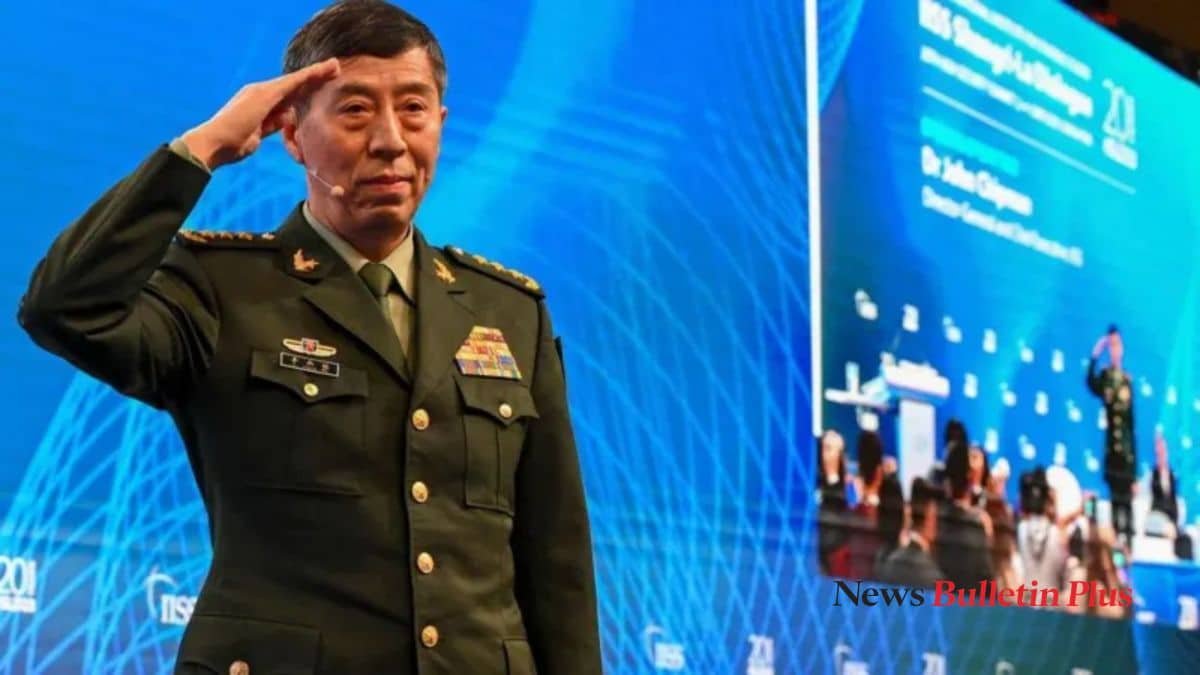
Chinese authorities announced that former Defence Minister Li Shangfu and his predecessor Wei Fenghe were punished over serious corruption allegations tied to military procurement and abuse of power, according to state-backed reports and international media coverage.
The penalties reportedly include a suspended death sentence, a punishment under Chinese law that is often commuted to life imprisonment if the individual shows good behavior over a two-year period. The phrase “suspended death sentence China” has since become widely discussed among legal observers and geopolitical analysts.
The Li Shangfu sentence follows months of speculation surrounding his sudden disappearance from public life. Li had not been seen publicly for an extended period after taking office, fueling rumors of an internal investigation. Chinese authorities later confirmed that he had been expelled from the Communist Party and removed from his military positions.
Meanwhile, the accusations connected to Wei Fenghe’s corruption allegations add to a broader pattern of investigations targeting senior officers within the PLA.
Political experts say the scale of the crackdown suggests Beijing believes corruption inside military procurement networks may have become deeply embedded over the years.


China Military Corruption Under Xi Jinping
The issue of China’s military corruption is not new. Xi Jinping began a sweeping anti-corruption drive shortly after coming to power in 2012. Since then, hundreds of military officials, regional leaders, and Communist Party members have faced investigations or disciplinary action.
However, recent cases involving top defence officials indicate that the campaign is now reaching some of the highest levels of the armed forces.
The ongoing Xi Jinping crackdown has increasingly focused on military modernization projects, weapons procurement systems, and strategic command structures. Analysts at several international think tanks say Beijing views corruption as both a political threat and a national security risk.
China has invested heavily in military expansion during the past decade. According to data from the Stockholm International Peace Research Institute (SIPRI), China remains the world’s second-largest military spender after the United States. With billions allocated to modernization programs, concerns about financial misconduct inside procurement systems have become more sensitive.
Observers say the current PLA corruption scandal could affect confidence in some of China’s defense institutions, especially as Beijing seeks to project military strength in the Indo-Pacific region.
Background of the Story
Li Shangfu was appointed defence minister in 2023 and previously oversaw military equipment development. Before his disappearance, he had been viewed as a trusted figure within the Chinese military hierarchy.
Wei Fenghe served as defence minister before Li and held senior positions connected to China’s missile forces. Both men played visible roles in diplomatic and military engagements with foreign governments.
The latest Chinese military purge follows earlier investigations into senior Rocket Force commanders and procurement officials. Several military executives connected to defense industries have also reportedly come under scrutiny.
Political analysts note that Xi Jinping has repeatedly warned about “absolute loyalty” within the armed forces. In speeches over recent years, he has argued that corruption weakens combat readiness and damages the Communist Party’s control over the military.
That message appears to be at the center of the current Beijing anti-corruption campaign.
Reactions and Statements
Chinese state media has largely framed the punishments as proof that the government is serious about discipline and accountability.
Officials connected to the Communist Party’s anti-corruption bodies have emphasized that no individual is above party rules, regardless of rank or political status.
International reactions, however, have been more mixed.
Some foreign policy experts argue that the crackdown may strengthen Xi Jinping’s control over the military in the short term. Others believe the repeated removal of senior commanders could reveal deeper institutional problems.
Neil Thomas, a fellow specializing in Chinese politics at the Asia Society Policy Institute, told several international media outlets that the investigations show how sensitive military corruption has become for Beijing.
Meanwhile, defense analysts in Washington and Europe are watching closely to determine whether the changes could influence China’s military planning or foreign policy behavior.
The Chinese military leadership now faces increasing pressure to restore confidence internally while maintaining strategic readiness externally.
Global and Political Impact
The story has drawn international attention because China’s military decisions increasingly affect global security discussions.
Beijing’s armed forces play a major role in regional tensions involving Taiwan, the South China Sea, and wider Indo-Pacific security dynamics. Any instability inside the PLA could carry broader geopolitical consequences.
Experts say the latest corruption case may also influence diplomatic relations with countries monitoring China’s military expansion.
In recent years, China has worked to present itself as a modern military power capable of competing globally. Repeated corruption investigations involving top officials could complicate that image.
At the same time, some analysts argue that Xi Jinping’s willingness to target powerful insiders may strengthen his political standing domestically.
“Xi appears determined to ensure complete control over the military chain of command,” said one Beijing-based political commentator quoted in regional media reports. “For the leadership, political loyalty is closely tied to national security.”
Timeline of Events
2012
Xi Jinping launches a nationwide anti-corruption campaign after becoming China’s top leader.
2023
Li Shangfu becomes China’s defence minister but later disappears from public view.
2024
Chinese authorities announce investigations involving senior military figures and procurement officials.
2026
Former defence ministers receive suspended death sentences as part of the expanding crackdown.
Expert Analysis
Military specialists say corruption within large defense systems is not unique to China. However, the secrecy surrounding Chinese military operations makes such investigations especially significant.
Some experts believe the purge could temporarily disrupt parts of the command structure, while others argue it may ultimately tighten central control and reduce internal resistance.
There is also a growing debate over whether the campaign is purely about corruption or partly connected to political loyalty inside the Communist Party.
Either way, the story reflects how deeply politics and military power remain linked in modern China.
What Happens Next
Attention will now shift toward how Beijing reshapes leadership positions within the armed forces.
Analysts expect further internal reviews of procurement systems and military contracts. Additional investigations are also possible, particularly if authorities uncover wider financial networks tied to defense spending.
The Chinese government is unlikely to publicly release full details of the cases, meaning questions about the extent of the alleged misconduct may continue.
Still, the message from Beijing appears clear: senior rank alone will not protect officials from punishment.
Why This News Matters
The sentencing of former military leaders marks another major moment in China’s long-running anti-corruption drive.
For global observers, the case offers insight into how Xi Jinping governs the country’s security institutions and manages internal power structures. For China itself, the crackdown reflects ongoing concerns about discipline, loyalty, and control within one of the world’s largest militaries.
As the investigations continue, the impact of the scandal could extend beyond China’s borders, influencing military strategy, diplomatic relations, and international perceptions of Beijing’s leadership.
The developments surrounding China’s Defence Ministers and the wider PLA corruption scandal are therefore likely to remain a major international story in the months ahead.
Source & Verification
This news topic is also reported by the international news organization BBC.
Risk Reference:
https://www.bbc.com/news/articles/clypjx383j2o