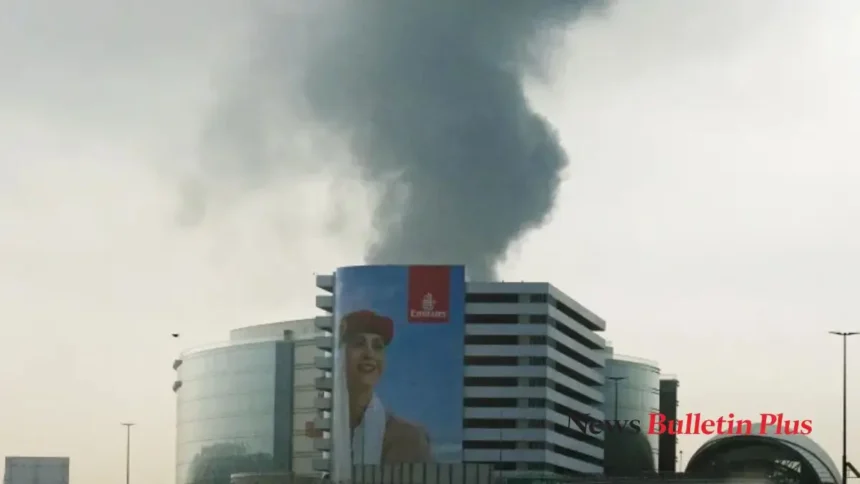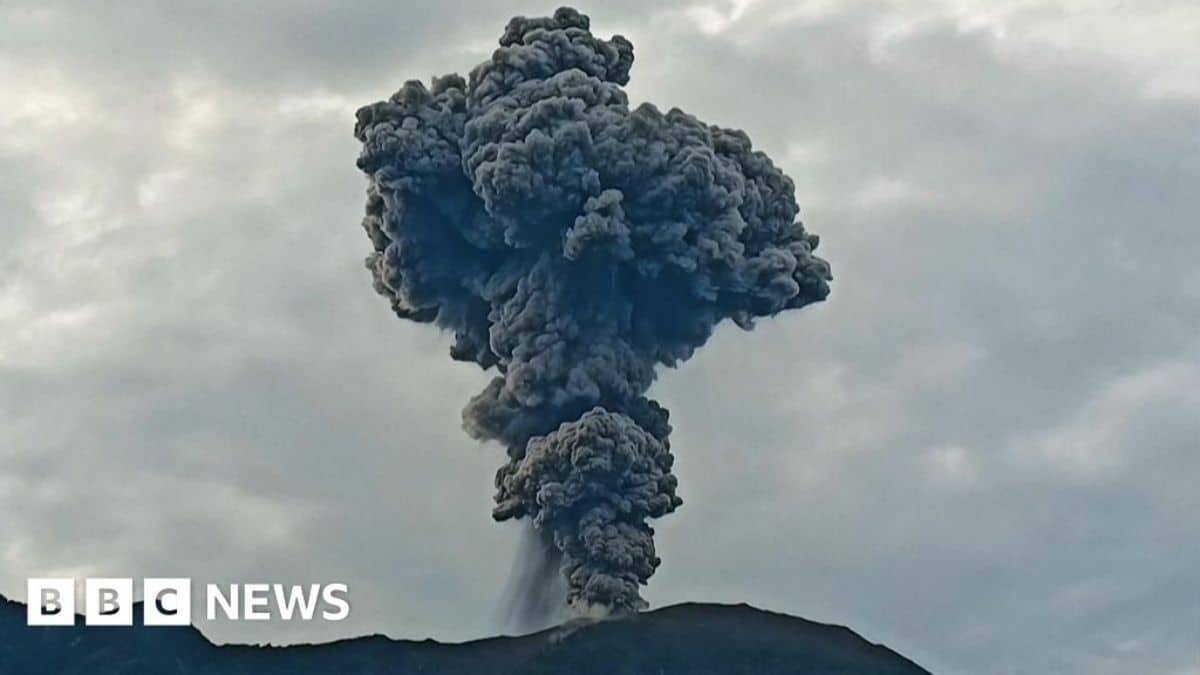
A powerful Indonesia Volcano Eruption on a remote eastern island has left at least three people dead and forced authorities to issue emergency warnings as thick ash clouds spread across nearby communities. Officials say the eruption triggered panic among residents, disrupted transportation, and renewed fears over volcanic risks across the region.
- What Happened During the Deadly Volcano Blast
- Evacuation Efforts and Emergency Response Indonesia Measures
- Background of the Story: Indonesia and the Ring of Fire Volcano Threat
- Reactions and Statements From Officials
- Indonesia Disaster Update: Impact on Communities and Infrastructure
- Global and Political Impact of the Indonesian Natural Disaster
- Timeline of Events
- Expert Analysis: Why This Eruption Matters
- What Happens Next
- Why This News Matters
- Source & Verification
The latest volcanic eruption in Indonesia took place on an active volcano located in one of the country’s highly monitored seismic zones. Rescue teams and disaster officials are continuing search and evacuation efforts as experts warn that more eruptions could follow in the coming days.
What Happened During the Deadly Volcano Blast
According to Indonesian authorities, the eruption occurred suddenly and sent massive plumes of ash thousands of meters into the sky. Witnesses described hearing loud explosions before dark volcanic smoke covered nearby villages.
The deadly volcano blast struck an area close to residential communities, leaving several people trapped by falling debris and hot volcanic material. Emergency responders later confirmed that at least three people had died, while others suffered injuries or respiratory problems linked to ash exposure.
Videos shared by residents showed roads covered in ash and visibility reduced to near zero in some areas. Flights in surrounding regions were also being monitored due to concerns over volcanic ash clouds affecting air travel safety.
Officials issued a volcanic ash warning shortly after the eruption and urged residents to stay indoors, wear masks, and avoid areas near the crater. Local disaster management teams established temporary shelters for displaced families.
Indonesia’s national disaster agency said the situation remains unstable as seismic activity continues beneath the mountain.
Evacuation Efforts and Emergency Response Indonesia Measures
Authorities quickly launched an emergency response operation in Indonesia involving rescue workers, police officers, military personnel, and medical teams.


Several villages located near the volcano were evacuated as officials feared additional eruptions or possible lava flows. The government also expanded exclusion zones around the crater to prevent civilians from entering dangerous areas.
The evacuation after the eruption process has not been easy. Some residents reportedly refused to leave at first because they feared losing livestock, crops, or personal belongings. Disaster officials continued door-to-door warnings throughout the night.
Indonesia’s disaster mitigation agency said emergency supplies, including food, masks, blankets, and clean water, were delivered to evacuation centers.
Volcanologists monitoring the mountain noted that volcanic tremors remained active after the initial eruption. That raised concerns about continued explosions or further ash emissions.
Background of the Story: Indonesia and the Ring of Fire Volcano Threat
Indonesia is home to some of the world’s most active volcanoes because the country sits along the Pacific “Ring of Fire,” a massive arc of tectonic fault lines known for earthquakes and volcanic eruptions.
The latest Indonesian island volcano eruption is another reminder of how frequently natural disasters affect the region. The country has more than 120 active volcanoes, and millions of people live near volcanic zones.
Experts say volcanic activity in Indonesia is closely linked to the movement of tectonic plates beneath Southeast Asia. When pressure builds underground, magma rises toward the surface, often resulting in explosive eruptions.
Geologists say the Ring of Fire volcano system stretches across multiple countries, including Japan, the Philippines, Chile, and the United States. Indonesia, however, remains one of the most volcanically active nations on Earth.
Past eruptions in the country have caused major destruction. In 2010, Mount Merapi killed more than 300 people and displaced hundreds of thousands. More recently, eruptions from Mount Semeru and other volcanoes forced large-scale evacuations and disrupted local economies.
Reactions and Statements From Officials
Indonesian authorities urged calm while emphasizing the seriousness of the threat.
A spokesperson from the country’s disaster agency said monitoring systems detected increased underground pressure before the eruption, but noted that volcanic behavior can change rapidly.
Local officials advised residents to avoid river channels because volcanic material can mix with rainwater and create dangerous mudflows, commonly known as lahars.
International observers are also watching the situation closely. Regional disaster agencies across Asia have expressed concern over the growing volcanic activity Asia has experienced in recent years, particularly in seismic hotspots around the Pacific region.
Some environmental analysts believe climate-related weather patterns, including heavy rainfall, can worsen the impact of eruptions by increasing landslide and flood risks in volcanic areas.
Indonesia Disaster Update: Impact on Communities and Infrastructure
The latest Indonesia disaster update shows that ashfall has already affected transportation, schools, and agricultural areas near the volcano.
Residents described ash covering rooftops, roads, and farmland within hours of the eruption. Farmers fear crop damage could hurt local incomes if volcanic ash continues to spread.
Health workers also warned about respiratory risks, especially for children and older adults. Fine volcanic particles can cause breathing difficulties, eye irritation, and contamination of water supplies.
Tourism may also suffer in affected regions. Indonesia relies heavily on domestic and international tourism, particularly around volcanic landscapes that attract visitors each year.
Several airlines reportedly reviewed flight routes due to concerns about aircraft safety near ash clouds. Aviation experts say volcanic ash can severely damage airplane engines.
Global and Political Impact of the Indonesian Natural Disaster
The latest Indonesian natural disaster has once again highlighted the challenges faced by countries located in high-risk geological zones.
Disaster experts say Indonesia has improved its emergency preparedness systems significantly over the past two decades, especially after the devastating 2004 Indian Ocean tsunami. Early warning systems, evacuation drills, and volcanic monitoring technology have expanded nationwide.
Still, experts caution that densely populated communities near volcanoes remain vulnerable.
International humanitarian organizations may offer support if conditions worsen. Neighboring countries in Southeast Asia are also monitoring air quality and aviation risks connected to the eruption.
Political analysts note that repeated natural disasters place financial pressure on governments already dealing with infrastructure demands, climate risks, and economic recovery efforts.
Timeline of Events
Key Takeaways
- A major volcanic eruption struck an Indonesian island.
- At least three people were confirmed dead.
- Authorities issued a volcanic ash warning for nearby communities.
- Emergency evacuation operations are ongoing.
- Experts warn additional eruptions remain possible.
Timeline
- Seismic activity increased before the eruption.
- The volcano erupted suddenly with a massive ash plume.
- Emergency services launched rescue operations.
- Nearby villages were evacuated.
- Authorities expanded danger zones around the crater.
Expert Analysis: Why This Eruption Matters
Volcanologists say eruptions like this demonstrate how unpredictable volcanic systems can be.
Even with advanced monitoring equipment, experts cannot always determine exactly when an eruption will occur or how severe it will become. That uncertainty makes fast communication and public cooperation essential during emergencies.
Disaster researchers also point to population growth near volcanoes as a growing concern. Many fertile volcanic regions support farming communities, meaning large numbers of people continue living close to active mountains despite known risks.
Scientists say stronger public education campaigns and better evacuation planning could reduce future casualties.
What Happens Next
Authorities are continuing to monitor seismic activity around the volcano while emergency crews assess damage in affected communities.
Officials warned residents not to return home until safety inspections are completed. Rescue teams are also searching for additional victims or missing persons in high-risk zones.
Weather conditions may influence the next phase of the crisis. Heavy rain combined with volcanic ash could create dangerous mudslides and contaminate rivers.
Experts expect further updates as Indonesia’s geological agency analyzes ongoing activity beneath the volcano.
Why This News Matters
This eruption is more than a local tragedy. It highlights the ongoing danger faced by millions living near active volcanoes across the Pacific region.
The disaster also shows how quickly natural events can disrupt transportation, health systems, and local economies. As governments across Asia continue investing in disaster preparedness, experts say rapid response systems and public awareness will remain critical in reducing future loss of life.
For Indonesia, a nation shaped by powerful geological forces, volcanic eruptions are a constant reality. But each new disaster serves as another reminder that even with modern technology, nature can still overwhelm communities within moments.
Source & Verification
This news topic is also reported by the international news organization BBC.
Risk Reference:
https://www.bbc.com/news/articles/cp3p418x513o