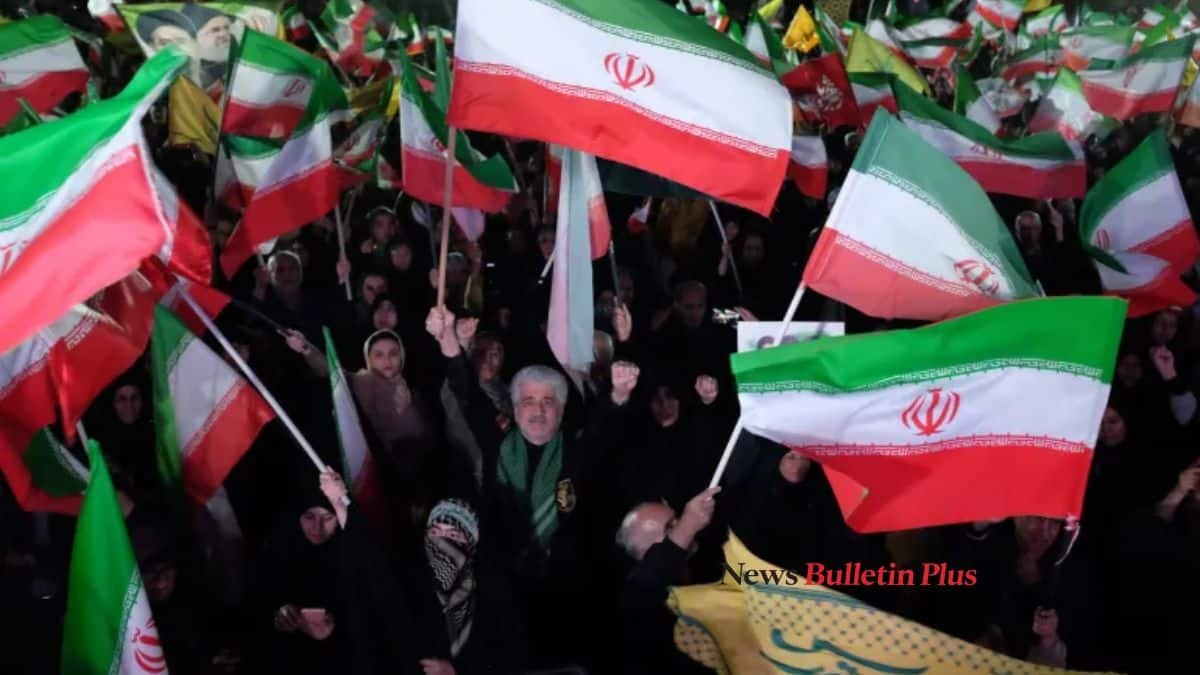
The Iran Leadership Crisis has taken center stage in global headlines after Donald Trump claimed that Iran’s ruling establishment is “fractured” and struggling with internal divisions. His remarks come at a time when tensions between Washington and Tehran remain high, raising fresh questions about who truly holds power inside Iran and how decisions are being made.
Trump’s comments have reignited debate over the Iran political system, its opaque hierarchy, and the role of key institutions shaping the country’s direction during a period of mounting geopolitical pressure.
What Happened
Speaking publicly this week, Trump argued that Iran’s leadership is not unified, describing a system plagued by competing factions and unclear authority. He suggested that the current structure makes it difficult to negotiate or predict Tehran’s actions, especially amid ongoing diplomatic uncertainty tied to the US Iran conflict.
His remarks follow months of stalled talks and heightened rhetoric between the two countries. While Trump did not present specific evidence, analysts say his comments reflect a broader concern among Western policymakers: that Iran’s decision-making process is more fragmented than it appears on the surface.
The idea of a Tehran government crisis is not entirely new. However, it has gained traction recently as economic pressures, regional conflicts, and internal political disagreements appear to be intensifying.
Background of the Story
To understand the current situation, it’s essential to look at the Iran power structure, which is unlike most conventional governments. At the top sits the Ali Khamenei, widely regarded as the ultimate authority in the country. The Supreme Leader Iran holds control over key institutions, including the military and judiciary.
Alongside him operates an elected president and parliament, but their powers are often limited by unelected bodies such as the Guardian Council. Then there is the powerful Islamic Revolutionary Guard Corps (IRGC), whose IRGC influence extends beyond military affairs into politics, intelligence, and even the economy.
This layered system has long been seen as both a strength and a weakness. On one hand, it provides resilience. On the other, it creates overlapping authorities that can lead to confusion and rivalry—particularly during times of crisis.


Recent reports from think tanks like the International Crisis Group suggest that Iran internal divisions have become more visible, especially over foreign policy decisions and economic management.
Key Takeaways
- Trump claims Iran’s leadership is divided and difficult to engage with diplomatically
- Iran’s complex political system includes multiple centers of power
- Analysts point to growing Iran internal divisions amid economic and political pressure
- The role of the IRGC remains central in shaping national strategy
- Rising geopolitical tensions could further test Iran’s leadership unity
Timeline of Events
- 2018–2020: US withdraws from nuclear deal, tensions escalate
- 2021–2025: Attempts to revive negotiations face repeated setbacks
- Recent months: Increased regional tensions and economic strain inside Iran
- April 2026: Trump publicly describes Iran’s leadership as “fractured”
Reactions and Statements
Iranian officials have not directly responded to Trump’s latest remarks, but in past statements, leaders in Tehran have rejected claims of internal instability. They often portray the system as unified under the authority of the Supreme Leader.
Political analysts, however, offer a more nuanced view.
“Power in Iran is not monolithic,” said a Middle East expert at a European policy institute. “There are competing interests between elected officials, clerical leadership, and security institutions. That doesn’t mean the system is collapsing, but it does mean decision-making can be complicated.”
Others warn against oversimplifying the situation. A former diplomat told Reuters that while disagreements exist, Iran’s leadership has historically managed to present a unified front during external threats.
Still, Trump’s comments have amplified scrutiny of how Iran’s leadership operates—especially in the context of ongoing Middle East politics.
Expert Analysis
Scholars studying Iran often point to three key pillars shaping its governance:
- Religious Authority – Led by the Supreme Leader
- Republican Institutions – Including the presidency and parliament
- Security Apparatus – Dominated by the IRGC
Tensions between these groups can surface during major policy decisions, particularly those related to foreign affairs and the economy.
According to data from regional studies centers, Iran’s economy has faced persistent challenges, including inflation rates exceeding 30% in recent years. Economic strain often deepens political disagreements, adding another layer to the Iran war leadership debate.
Global or Political Impact
Trump’s remarks could have implications beyond rhetoric. By framing Iran as divided, they may influence how other countries approach diplomacy with Tehran.
For instance, if foreign governments believe Iran lacks a cohesive leadership, they may hesitate to enter agreements, fearing that commitments could be undermined by internal disagreements.
At the same time, heightened geopolitical tensions in the region—ranging from conflicts in neighboring countries to ongoing disputes with Western powers—make the question of leadership unity even more critical.
Energy markets, too, are watching closely. Iran remains a key player in global oil dynamics, and any perception of instability can ripple through international markets.
Related Developments
- Ongoing discussions around reviving nuclear negotiations
- Increased military activity in parts of the Middle East
- Growing economic challenges inside Iran
- Rising influence of non-state actors aligned with Tehran
What Happens Next
It remains unclear whether Trump’s claims will have a lasting impact on diplomatic efforts. However, the spotlight on Iran’s internal dynamics is unlikely to fade.
Experts suggest that upcoming political developments inside Iran—such as policy decisions or leadership shifts—could provide clearer signals about the level of cohesion within the حکومت.
There is also growing interest in how younger political figures and reformist voices might shape the future of the system, especially as public dissatisfaction with economic conditions continues.
Why This News Matters
The debate over Iran’s leadership is not just an internal issue—it has global consequences. From nuclear negotiations to regional security, the way decisions are made in Tehran affects millions of people beyond its borders.
Trump’s remarks have brought renewed attention to an old question: who really holds power in Iran?
The answer is complex. And as tensions continue to simmer, understanding that complexity becomes more important than ever.
Conclusion
The unfolding Iran Leadership Crisis narrative highlights the intricate and often opaque nature of governance in Tehran. While claims of a fractured system remain contested, there is little doubt that Iran’s political structure is under strain from both internal pressures and external challenges.
As the US Iran conflict continues to shape global discourse, the question of unity within Iran’s leadership will remain a key factor in determining the region’s future. Whether these divisions deepen or are managed behind closed doors could influence everything from diplomacy to security in the months ahead.
Source & Verification
This news topic is also reported by the international news organization Al Jazeera. Iran Leadership Crisis: Trump Claims Tehran Government Is Fractured
Risk Reference: