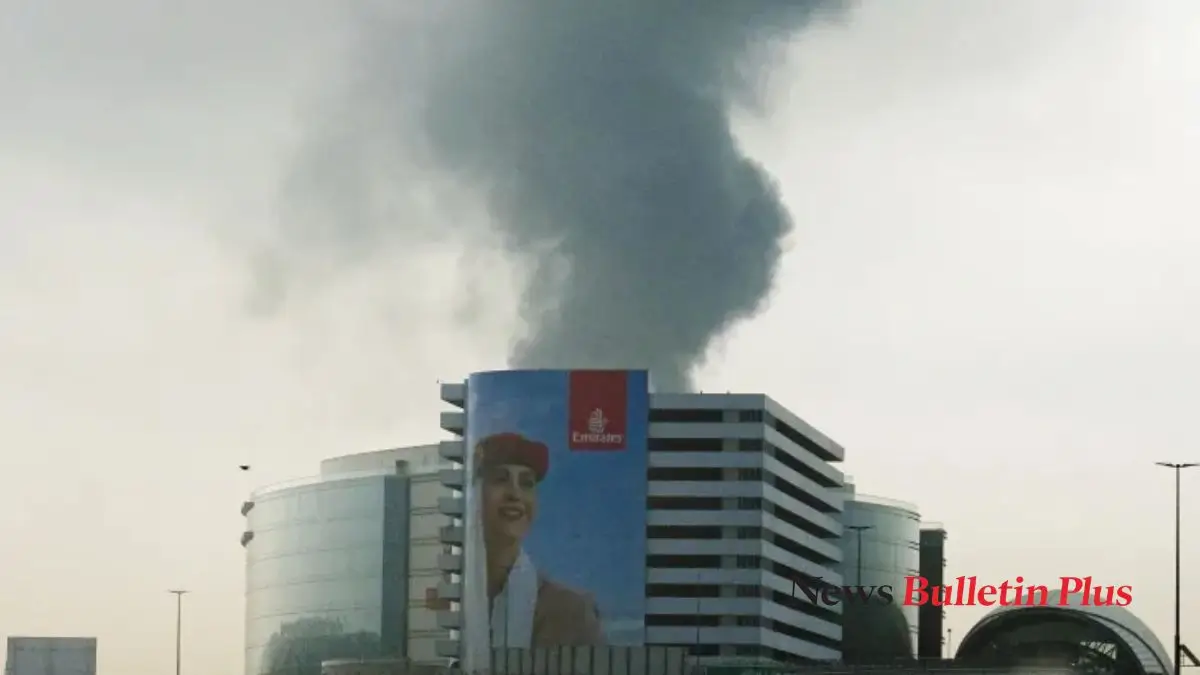
The Iran War Escalation is rapidly turning into more than a regional military confrontation. What began as targeted strikes has now triggered wider fears of a global economic shock, with energy markets reacting sharply and political tensions rising across continents.
Oil traders, governments, and ordinary consumers are all watching closely. Prices are climbing, supply routes are under threat, and analysts warn that the situation could reshape global energy dynamics in the months ahead.
What Happened
The conflict between Iran, the United States, and Israel has entered a critical phase. According to multiple international reports, the latest wave of attacks has expanded beyond military targets, affecting infrastructure linked to Iran’s oil production and export capacity.
This has sparked what many are now calling the Iran oil crisis 2026, with immediate consequences for global energy markets.
One of the biggest concerns is the growing Strait of Hormuz crisis. This narrow waterway handles nearly 20% of the world’s oil shipments. Any disruption here has an almost instant impact on global supply.
In recent days, shipping risks have increased, insurance premiums for tankers have surged, and several companies have begun rerouting vessels. The result? A sharp global oil price surge that is already being felt in international markets.
Background of the Story
Tensions between Iran and Israel have been building for years, often playing out through proxy conflicts and cyber operations. However, this latest escalation marks a direct and more intense confrontation, drawing in the United States militarily.
Iran, a major oil producer, plays a crucial role in global energy supply. Even before the conflict, sanctions had limited its exports. Now, direct military strikes and instability are pushing the situation into uncharted territory.


The Middle East remains the heart of global oil production. Any Middle East oil supply disruption tends to ripple outward quickly. Past crises — from the Gulf War to attacks on Saudi facilities — have shown how sensitive markets are to even minor disturbances.
But this time feels different. The scale of military activity and the risk to key shipping routes have amplified fears of a prolonged disruption.
Reactions and Statements
World leaders have expressed growing concern over the escalation.
US officials have defended their actions as necessary for regional security, while Iranian authorities have warned of “serious consequences” if attacks continue. Israeli leadership has also signaled readiness for a prolonged campaign.
Meanwhile, global institutions are sounding alarms. Analysts at the International Energy Agency (IEA) have warned that the situation could evolve into a broader global energy crisis 2026 if supply disruptions persist.
A senior energy analyst told Reuters,
“Markets are reacting not just to current disruptions but to the fear of what could happen next. The uncertainty is driving volatility.”
That uncertainty is already visible in the oil market volatility Iran conflict, with prices swinging sharply on a daily basis.
Global or Political Impact
The economic consequences are unfolding quickly.
The Brent crude price surge has pushed oil prices to levels not seen in months. This is translating into higher fuel costs worldwide, affecting transportation, manufacturing, and household expenses.
Countries heavily dependent on oil imports are particularly vulnerable. In parts of Asia and Europe, governments are already considering emergency measures to manage fuel supplies.
There are also concerns about a broader fuel shortage impact worldwide. If supply chains continue to face disruptions, shortages could become a reality in certain regions.
The oil supply chain disruption is not just about production. It involves shipping routes, insurance, refining capacity, and political risk — all of which are now under pressure.
For developing economies, the impact could be severe. Rising fuel costs often lead to inflation, slower economic growth, and increased public unrest.
Timeline of Events
- Day 1–5: Initial strikes reported between Israel and Iran-linked targets
- Day 6–10: US involvement increases; military operations expand
- Day 11–15: Reports of damage to oil infrastructure emerge
- Day 16–17: Escalation intensifies; global markets react sharply
- Current: Oil prices surge, shipping risks increase, global concern rises
Expert Analysis
Energy experts say the situation is highly fluid, but several key risks stand out.
First, the Strait of Hormuz remains the biggest pressure point. Even partial disruption could significantly affect global supply.
Second, the psychological impact on markets is just as important as physical disruptions. Traders are pricing in risk, which is why oil prices are rising faster than actual supply losses might suggest.
Third, geopolitical alliances are being tested. Countries are being forced to take sides or navigate a delicate balance between economic interests and political commitments.
According to analysts at the International Crisis Group,
“If the conflict continues to escalate, we could see long-term shifts in global energy strategies, including faster transitions to alternative sources.”
Related Developments
- Shipping companies are increasing security measures in the Gulf
- Oil-importing nations are reviewing strategic reserves
- Renewable energy discussions are gaining urgency amid rising costs
- Diplomatic efforts are underway to prevent further escalation
What Happens Next
Much depends on whether the conflict expands further or moves toward de-escalation.
If attacks continue and the Strait of Hormuz becomes fully disrupted, the world could face sustained high oil prices and deeper economic challenges.
On the other hand, diplomatic intervention could stabilize the situation, though rebuilding confidence in markets may take time.
For now, uncertainty remains the dominant theme.
Why This News Matters
This is not just a regional conflict. It has global consequences.
From rising fuel prices to economic instability, the effects of this crisis are already being felt far beyond the Middle East.
For everyday people, it could mean higher transportation costs, increased prices for goods, and potential economic slowdowns.
For governments, it presents difficult choices — balancing security concerns with economic stability.
Key Takeaways
- The Iran War Escalation is impacting global oil markets significantly
- The global oil price surge is driven by supply fears and geopolitical risk
- The Strait of Hormuz crisis remains a critical factor
- The situation could evolve into a broader global energy crisis 2026
- Long-term impacts may reshape global energy strategies
Conclusion
The current conflict involving Iran, the United States, and Israel has moved beyond a regional dispute. It is now a global issue with far-reaching economic and political consequences.
As oil prices rise and supply chains face pressure, the world is entering a period of uncertainty. Whether this crisis deepens or stabilizes will depend on decisions made in the coming days.
One thing is clear: the stakes are high, and the impact is being felt worldwide.
Source & Verification
This news topic is also reported by the international news organization Al Jazeera. Iran War Escalation: Global Oil Crisis Deepens as Middle East Conflict Intensifies
Risk Reference:
https://www.aljazeera.com/news/2026/3/16/iran-war-what-is-happening-on-day-17-of-us-israel-attacks