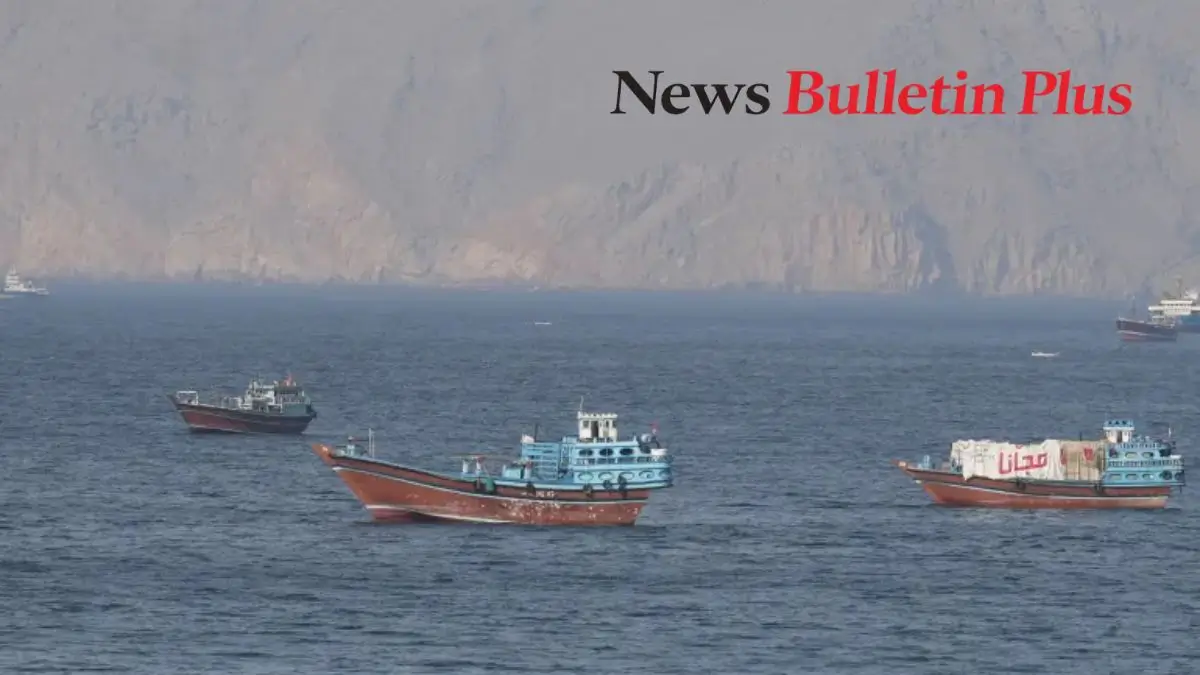
The Hormuz Standoff is rapidly becoming one of the most closely watched flashpoints in global politics. As tensions escalate between Washington and Tehran, the narrow Strait of Hormuz — a vital artery for global energy — has once again moved to the center of a growing geopolitical crisis.
With both sides exchanging warnings and increasing military presence, analysts say the situation could have far-reaching consequences, from oil markets to international shipping routes.
What Happened
The current US Iran standoff 2026 has intensified following a series of military alerts and political statements linked to maritime security in the Gulf. The United States has reportedly increased naval deployments in the region, citing concerns over threats to commercial shipping.
Iran, meanwhile, has issued strong warnings, signaling that any hostile move could be met with retaliation. Iranian officials have hinted at the possibility of restricting access to the Strait — a move that would effectively trigger a Hormuz blockade.
Recent incidents involving tanker monitoring, drone surveillance, and military exercises have heightened fears of a direct confrontation. While no full-scale conflict has erupted, the situation remains volatile, with both sides adopting a cautious yet firm posture.
Background of the Story
The Strait of Hormuz crisis is not new. The narrow waterway, located between Iran and Oman, handles roughly 20% of the world’s oil shipments, according to data from the U.S. Energy Information Administration.
Historically, the strait has been a recurring pressure point during periods of heightened Iran US tensions. From tanker seizures to military drills, both sides have used the region to project strength and influence.
The roots of the current standoff can be traced back to long-standing disputes over Iran’s nuclear program, U.S. sanctions, and regional rivalries. In recent months, however, these tensions have been compounded by broader instability in the Middle East.


Political analysts say the convergence of these issues has created a fragile environment where even a minor miscalculation could escalate into a wider Middle East conflict.
Timeline of Events
- Early 2026: Increased rhetoric between Iran and the United States over sanctions and security concerns
- March 2026: Reports of increased naval activity and surveillance in the Gulf
- April 2026: Heightened warnings from Tehran regarding potential restrictions in the Strait
- Current: Ongoing military positioning and diplomatic tensions
Reactions and Statements
Global leaders and institutions have responded with caution. The United Nations has urged restraint, emphasizing the need to keep vital shipping lanes open.
A U.S. defense official, speaking on condition of anonymity, said the military presence is aimed at ensuring “freedom of navigation and the safety of international commerce.”
Iranian officials, on the other hand, argue that their actions are defensive. A senior Iranian commander reportedly stated that any threat to national sovereignty would be “firmly countered.”
Experts from the International Crisis Group warn that the growing naval tensions Iran could spiral if diplomatic channels remain stalled. “The risk is not just intentional escalation,” one analyst noted, “but accidental confrontation in a heavily militarized zone.”
Global or Political Impact
The implications of this standoff extend far beyond the Gulf. One of the most immediate concerns is the global oil supply risk.
Any disruption in the Strait of Hormuz could trigger a sharp oil prices surge, affecting economies worldwide. Countries heavily dependent on imported oil — particularly in Asia and Europe — would likely feel the impact first.
Shipping companies are also on edge. Insurance costs for vessels operating in the region have already begun to climb, reflecting fears of potential shipping disruption.
Financial markets have responded cautiously, with energy stocks fluctuating amid uncertainty. Analysts say prolonged instability could add pressure to an already fragile global economy.
Expert Analysis
Energy experts point out that even the perception of risk in the Strait can influence markets. “You don’t need a full blockade to see price spikes,” said an analyst at a London-based energy consultancy. “Uncertainty alone can drive volatility.”
Meanwhile, geopolitical strategists argue that both Iran and the U.S. are engaging in calculated signaling rather than preparing for outright war. However, the margin for error is thin.
According to a recent report by Reuters, any sustained disruption in the Strait could remove millions of barrels of oil per day from global supply chains — a scenario that would reshape energy markets.
Related Developments
- Increased military cooperation among Gulf states
- Diplomatic outreach by European nations seeking de-escalation
- Renewed discussions around alternative shipping routes
These developments suggest that the international community is actively trying to prevent the situation from escalating further.
What Happens Next
The path forward remains uncertain. Diplomatic efforts are ongoing, but progress has been slow. Both sides appear unwilling to back down, raising concerns about a prolonged geopolitical crisis.
Observers say the next few weeks will be critical. Any incident involving military forces or commercial vessels could act as a tipping point.
There is also growing pressure on global powers to mediate and prevent escalation. Whether these efforts succeed will largely determine the trajectory of the crisis.
Why This News Matters
The Strait of Hormuz is not just a regional issue — it is a global lifeline. Disruptions here have ripple effects across economies, industries, and daily life.
For ordinary consumers, this could mean higher fuel prices. For governments, it could mean difficult policy decisions. For businesses, increased uncertainty.
In short, the stakes are high.
Key Takeaways
- The Hormuz Standoff is intensifying amid rising US-Iran tensions
- The Strait of Hormuz remains a critical route for global oil shipments
- Risks include oil price spikes, shipping disruptions, and broader conflict
- Diplomatic efforts are ongoing but fragile
- The situation could impact global markets and energy security
Conclusion
The unfolding standoff in the Strait of Hormuz is a reminder of how interconnected today’s world has become. What happens in a narrow waterway in the Gulf can influence fuel prices in Europe, economic stability in Asia, and political decisions in Washington.
While both Iran and the United States appear to be navigating carefully, the risks remain real. As history has shown, tensions in this region can escalate quickly.
For now, the world watches — hoping diplomacy prevails over confrontation.
Source & Verification
This news topic is also reported by the international news organization Al Jazeera. Hormuz Standoff: What to Know About Rising US-Iran Tensions
Risk Reference: