The growing Iran Fuel Smuggling Pakistan trade is once again drawing attention as reports suggest illegal fuel movement across remote border areas is expanding despite soaring temperatures, dangerous terrain and tighter monitoring efforts. Observers say the activity has become more visible in parts of Pakistan’s southwest, where economic pressures and fuel price differences continue to drive demand.
The movement of fuel through informal channels is not a new story along the Pakistan-Iran frontier. Yet recent developments indicate that transport activity is continuing even under harsh weather conditions that regularly push temperatures in parts of Balochistan above 45°C.
Analysts say the issue is no longer only about fuel. It now touches regional economics, security concerns and local livelihoods.
Key Takeaways
- Fuel movement through informal routes along the Pakistan-Iran border continues despite security risks.
- Price differences remain a major factor behind the trade.
- Local communities in border regions often depend on the activity for income.
- Authorities remain concerned over lost tax revenues and broader security implications.
- Experts say the issue reflects deeper economic challenges in border regions.
What Happened
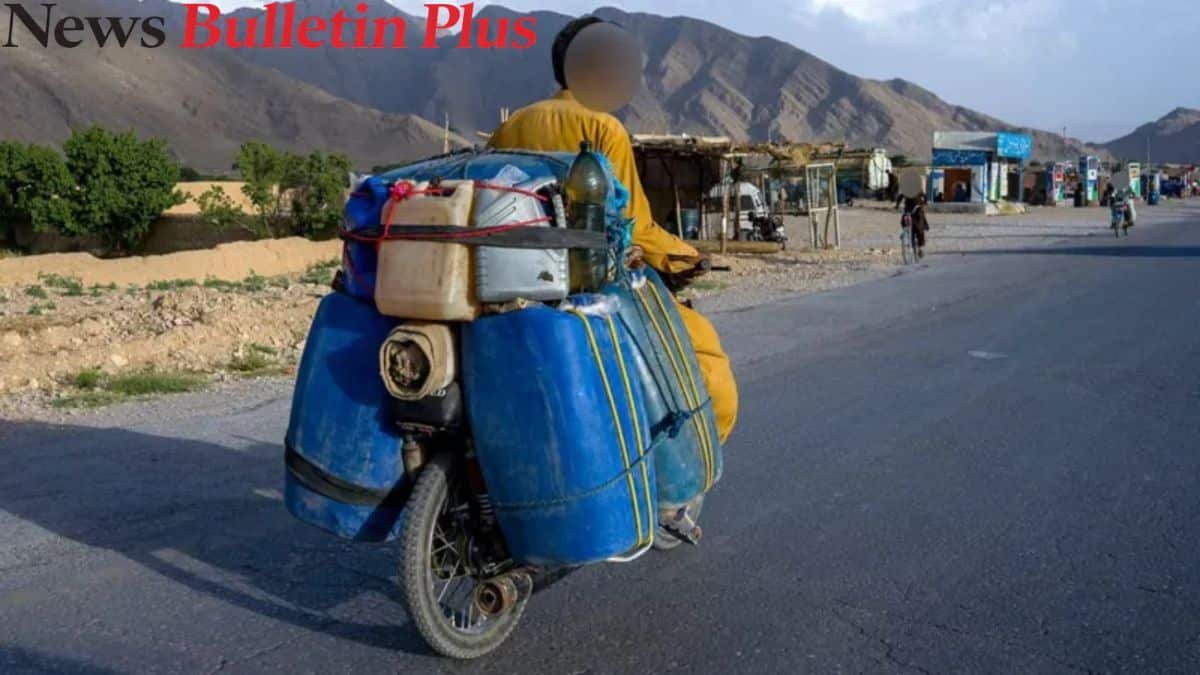
Reports and regional observers say Iranian fuel trade activity has remained active along several routes connecting Iran and Pakistan. Small convoys, pickup vehicles and motorcycle fuel transport systems are reportedly being used to move fuel through difficult terrain.
Some routes pass through isolated areas where enforcement is difficult and road infrastructure is limited. In many cases, transporters travel during nighttime hours to avoid extreme daytime heat.
Visual reports from recent months have shown large numbers of vehicles moving through parts of the Pakistan Iran border, highlighting the scale of the activity. Analysts say fuel shipments can move through unofficial paths before entering local distribution channels. (JFeed)
The routes are dangerous. Drivers face road accidents, heat exposure and security challenges. Yet despite these risks, many continue.
One regional observer described the situation as “a business built on necessity as much as profit.”


Background of the Story
The Balochistan fuel smuggling issue has existed for years. Border communities on both sides have long relied on informal trade networks because of limited economic opportunities.
Price differences play a major role.
Fuel in Iran has historically been heavily subsidized, creating a significant cost gap with neighboring countries. This difference makes transport across the border financially attractive for traders and middlemen. (BBC Monitoring)
International sanctions on Iran have also reshaped trading patterns over time. Researchers and previous investigations have argued that restrictions on formal exports encouraged alternative channels and underground markets. (OCCRP)
Data from earlier intelligence findings suggested that illegal fuel movement represented a large share of regional fuel consumption and resulted in major financial losses through unpaid taxes and duties. (ایران اینترنشنال | Iran International)
Timeline of Events
Past decade
- Fuel movement across the border develops into a large informal market.
2023
- Petroleum dealers reported increased inflows of Iranian fuel entering Pakistan. (Jerusalem Post)
2024
- Security operations and anti-smuggling measures intensified. (Reddit)
2025–2026
- Reports indicate renewed activity through cross border fuel routes, with traders using flexible transportation methods and local networks. (Pakistan Today)
Reactions and Statements
Authorities in both countries have periodically launched operations aimed at limiting illegal transport activities.
Pakistan’s security officials previously stated that enforcement efforts had reduced smuggling volumes in some areas. However, analysts believe demand and profit incentives remain strong enough to revive operations. (Reddit)
Industry groups have also raised concerns.
Petroleum sector representatives argue that illegal fuel sales can disrupt the Pakistan fuel market, affecting domestic refinery operations and reducing government tax collection. (Pakistan Today)
At the same time, local voices often present a different perspective.
Interviews conducted over previous years in border regions revealed that many residents viewed fuel transportation as an economic necessity rather than organized crime. Some said employment opportunities in remote districts remain limited. (Reddit)
Expert Analysis
Economic researchers say this is an example of how border economies can develop their own structures outside formal systems.
A fuel trafficking network often includes transporters, brokers, suppliers and local distributors. Such systems can expand quickly because each participant earns income from a small part of the process.
Security specialists also point to wider concerns.
Informal trade routes can create border conflict risks, particularly in areas already facing instability or militant activity. Monitoring large remote regions requires significant resources and coordination.
Some experts say simply increasing enforcement may not solve the problem.
Instead, they argue that investment in jobs, legal trade channels and infrastructure could reduce dependence on the underground market.
Global or Political Impact
The issue also affects wider Iran Pakistan trade discussions.
Pakistan and Iran maintain economic and diplomatic ties, but illegal trade creates complications. Smuggling bypasses customs systems and official trade agreements, creating tensions for policymakers.
Regional analysts note that border trade frequently reflects larger geopolitical realities.
When fuel prices change globally, or when sanctions and supply disruptions emerge, local markets often respond quickly.
This means developments in energy policy far from the border can influence communities living hundreds of kilometers away.
Related Developments
Investigations in recent years have estimated that millions of liters of fuel may move through illegal channels every day across parts of the region. Iranian authorities have separately reported their own efforts against domestic fuel smuggling operations. (BBC Monitoring)
Meanwhile, researchers say the broader smuggling economy extends beyond fuel alone and includes consumer goods, food items and other products moving across informal trade networks.
What Happens Next
Authorities are expected to continue monitoring activities near the border while industry groups push for stronger action.
However, the question remains larger than enforcement alone.
Can governments create enough legal economic alternatives for people living in remote regions?
That may ultimately determine whether informal fuel routes shrink or continue expanding.
Why This News Matters
The story is about more than diesel and petrol moving across dusty roads.
It reveals the difficult choices faced by communities living near borders where economic opportunity can be scarce. It also highlights the pressure governments face in balancing security, trade and public needs.
As temperatures rise and risks increase, the people transporting fuel continue to travel through some of the toughest conditions in the region.
For many involved, the journey is dangerous.
For policymakers, the challenge may be even bigger.
Conclusion
The expanding fuel movement between Iran and Pakistan shows how economics often shapes behavior even in difficult environments. Extreme weather, security concerns and official crackdowns have not fully slowed activity across the border.
The coming months may reveal whether stronger enforcement measures change the situation or whether long-standing market forces continue to drive the trade. Either way, developments around the border are likely to remain closely watched by governments, businesses and regional observers.
Source & Verification
This news topic is also reported by the international news organization Fuel Smuggling PIran Pakistan Route Expands Despite Extreme Heat and Security Risks.
Risk Reference:
https://www.bbc.com/news/articles/c621jr3yy09o