Introduction
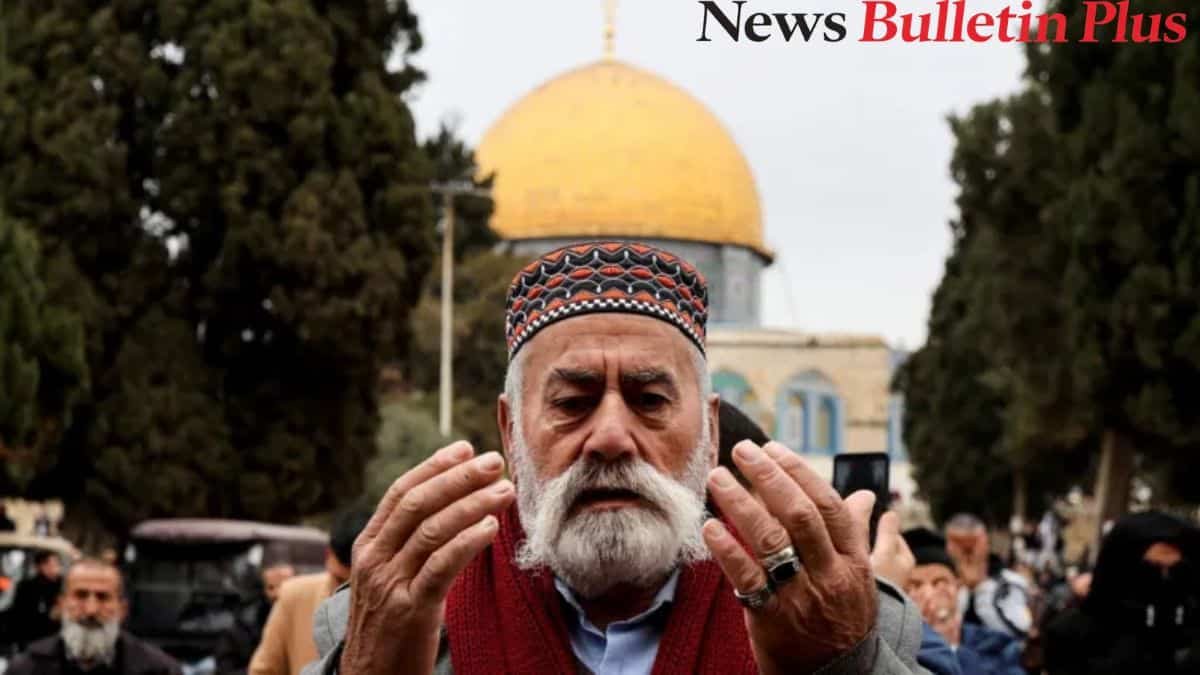
Fresh Jerusalem Holy Site Tensions are drawing international attention after growing concerns over changes surrounding one of the world’s most sensitive religious locations. The latest developments involve increasing activity by Israeli nationalist movements and renewed debate over access and prayer practices at the contested site in Jerusalem’s Old City.
The issue reaches far beyond local politics. Even small changes around the area can trigger reactions across the region because of the site’s religious and symbolic importance to millions of Muslims and Jews. Analysts warn that the latest developments could further complicate already strained regional relationships at a time when the broader Middle East conflict remains highly unstable.
The area, known by Muslims as the Al-Aqsa Mosque compound and by Jews as the Temple Mount, has historically acted as a political and emotional pressure point in the Israeli-Palestinian conflict. Experts say recent events are once again raising questions about the future of a fragile arrangement that has existed for decades.
Key Takeaways
- Concerns are growing over changes surrounding Jerusalem’s most sensitive religious area.
- Israeli nationalist activists have increasingly pushed for expanded access and prayer rights.
- Palestinians and Muslim authorities say existing agreements are being challenged.
- Regional leaders fear the issue could deepen wider political instability.
- Analysts believe developments at the site often have consequences beyond Jerusalem.
What Happened
The latest concerns emerged amid increasing activity by Israeli nationalist groups seeking expanded religious rights at the site. Critics argue that actions by activists and political figures are testing long-established arrangements governing access.
The dispute centers around what many describe as a delicate balance that has existed since Israel captured East Jerusalem during the 1967 war.
Under current arrangements, Jewish visitors may enter the area during designated periods but formal Jewish prayer at the site has traditionally remained restricted, while Islamic religious authorities oversee day-to-day management.
Observers say Temple Mount tensions have grown in recent years as some activists increasingly argue for broader access and prayer rights.
Political researchers note that even symbolic acts can have powerful consequences.


“Changes around holy places in Jerusalem are rarely viewed as isolated incidents,” regional analysts have repeatedly argued. “People often see them as signals of larger political intentions.”
The issue has become particularly sensitive as Israel Palestine tensions continue across several fronts.
According to longstanding reports from regional observers and international organizations, disputes surrounding the site have frequently sparked protests and periods of unrest. (ADL)
Timeline of Events
1967
Israel captured East Jerusalem during the Six-Day War and introduced the current administrative arrangement.
1990s–2010s
Periodic confrontations and disputes over access continued to emerge.
Recent Years
Visits by nationalist and religious activists increased, leading to renewed political debate.
Current Developments
Concerns have resurfaced over whether traditional rules governing the area are slowly changing.
Background of the Story
The Jerusalem holy site carries extraordinary significance for multiple faiths.
For Muslims, the Al Aqsa compound represents Islam’s third holiest location after Mecca and Medina. The compound also includes the Dome of the Rock, one of Jerusalem’s most recognized landmarks.
For Jews, the area is revered as the location of the First and Second Temples, making it Judaism’s holiest place.
That religious overlap has turned the area into more than a place of worship. It has also become a symbol of identity, sovereignty, and competing historical narratives.
The current Jerusalem status quo was designed to prevent religious conflict and maintain stability. However, both Palestinians and some Israeli political groups have periodically accused the other side of attempting to alter arrangements.
International observers note that disputes over the site have repeatedly led to broader unrest in previous years. (PBS)
Expert Analysis
Regional researchers say the issue involves much more than access rights.
Daniel Seidemann, a Jerusalem-focused analyst frequently cited in discussions on the city, has previously argued that changes surrounding the area can reshape perceptions among both Palestinians and Israelis.
Political experts also point to demographics and domestic politics. Nationalist movements inside Israel have gained greater visibility over recent years, influencing public debate over the site’s future.
Some analysts compare the situation to a pressure valve. The area can remain calm for long periods, but when tensions build, even relatively small incidents may quickly attract international attention.
Reactions and Statements
Palestinian officials and Muslim religious authorities have repeatedly voiced concern over developments around the site, arguing that actions viewed as changing traditional arrangements risk increasing instability.
Israeli officials, meanwhile, have historically maintained that there is no intention to alter existing agreements and have said security and public order remain priorities.
Jordan, which plays a custodial role concerning Islamic holy sites in Jerusalem, has also frequently expressed concern during previous disputes.
International actors, including Western governments and regional powers, have often called for restraint whenever tensions increase around the area.
The broader holy site controversy has become a recurring issue in diplomatic discussions concerning the region. (PBS)
Global or Political Impact
The consequences of developments in Jerusalem rarely remain local.
Political observers say events surrounding holy places in Jerusalem can influence relations between Israel and neighboring states and can affect public sentiment across the Arab and Muslim world.
The issue also arrives during a period of wider regional tensions, with conflicts and political uncertainty affecting multiple parts of the Middle East.
For governments trying to avoid escalation, preserving stability in Jerusalem has often been viewed as a strategic necessity rather than simply a religious matter.
Related Developments
Recent years have seen repeated discussions over:
- Access restrictions during major religious holidays
- Security concerns around Jerusalem’s Old City
- Nationalist marches and demonstrations
- Diplomatic responses from regional governments
- Debates surrounding future arrangements at disputed religious sites
What Happens Next
The immediate focus will likely remain on whether authorities can prevent further escalation and maintain calm around the site.
Analysts believe attention will also center on political messaging from leaders and religious authorities. Public statements in Jerusalem often carry influence far beyond city boundaries.
Some observers say maintaining trust in current arrangements may prove increasingly difficult if competing groups continue pressing for changes.
Why This News Matters
Jerusalem has long held a unique place in global politics and religion. Disputes surrounding sacred sites frequently touch emotions, history, and national identity all at once.
What appears to be a local disagreement over access rules can quickly become a wider religious site dispute with regional consequences.
The latest developments serve as another reminder of how events in Jerusalem continue to shape conversations across the Middle East and beyond.
As leaders attempt to prevent escalation, many will be watching a familiar question: can one of the world’s most contested spaces remain stable, or is another period of uncertainty beginning?
Source & Verification
This news topic is also reported by the international news organization BBC. Jerusalem Holy Site Tensions Rise as Israeli Nationalists Challenge Longstanding Rules.
Risk Reference:
https://www.bbc.com/news/articles/cwy0nlv90jno