A major Ukraine drone attack in Moscow has left at least three people dead and several others injured after Russian officials reported one of the largest aerial assaults on the capital region in recent months. The overnight operation, which authorities said involved dozens of unmanned aircraft, intensified fears about the expanding reach of the Russia-Ukraine war and raised fresh questions about the effectiveness of Russian air defense systems around the country’s most protected areas.
- What Happened During the Overnight Drone Raid
- Background of the Russia-Ukraine War
- Russian Air Defense Under Scrutiny
- Civilian Deaths in Moscow Raise New Concerns
- Reactions and Statements From Officials
- Timeline of Recent Drone Escalation
- Expert Analysis: Why Drone Warfare Is Changing the Conflict
- Global and Political Impact
- What Happens Next
- Why This News Matters
- Source & Verification
The latest Moscow drone strike came amid escalating battlefield pressure between Kyiv and Moscow, with both sides increasing long-range attacks deep inside enemy territory. Russian authorities claimed air defenses intercepted many incoming drones, yet debris and explosions were reported across parts of the Moscow region attack zone overnight. | z
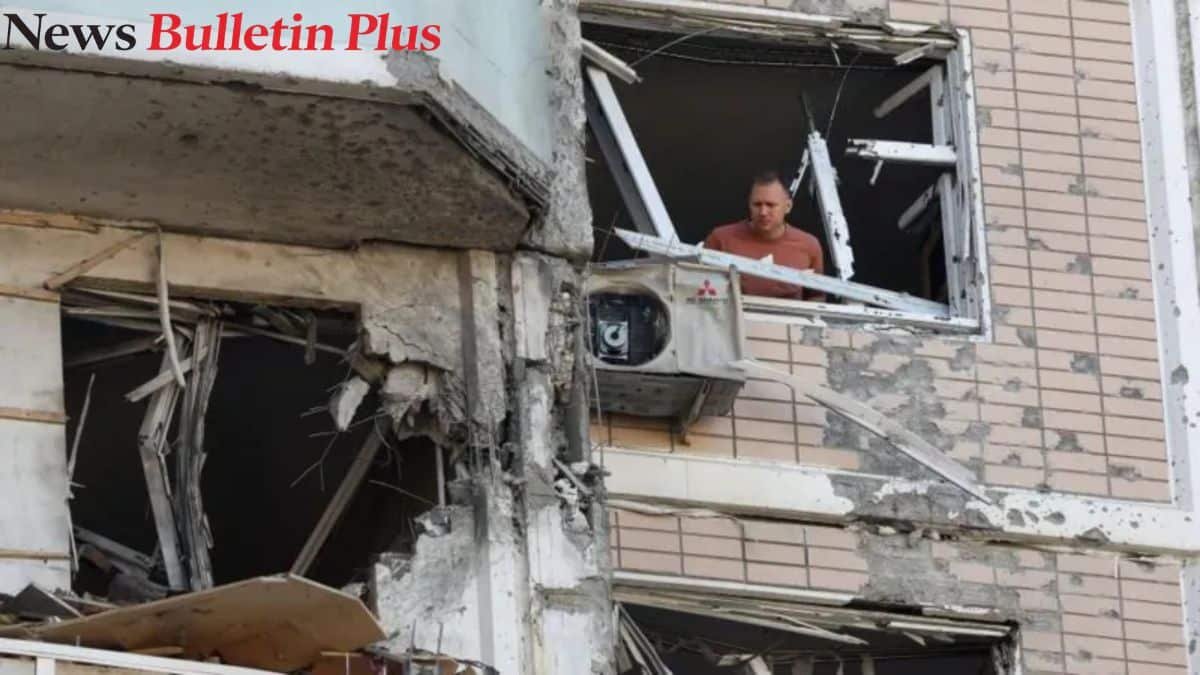
Residents described hearing repeated blasts before dawn. Videos circulating on social media appeared to show flashes in the sky, emergency vehicles rushing through residential districts, and smoke rising from damaged buildings. While independent verification of every clip remains difficult during wartime, the scale of the disruption has again highlighted how drone warfare has evolved far beyond front-line combat.
What Happened During the Overnight Drone Raid
Russian officials said the attack began late at night and continued into the early morning hours. According to local authorities, drones targeted several districts in and around Moscow, forcing temporary airport disruptions and emergency security measures.
The Russian Defense Ministry claimed many drones were destroyed before reaching key targets. However, falling debris reportedly damaged residential infrastructure, vehicles, and industrial sites. Emergency services confirmed multiple casualties, including at least three deaths linked to the strike.
The overnight drone raid also triggered temporary flight suspensions at several Moscow-area airports. Travelers faced delays as security teams inspected runways and monitored the airspace for additional threats.
Russian media described the incident as one of the most serious drone attacks near the capital since the start of the Ukraine-Russia conflict. Security analysts say the repeated targeting of Moscow reflects a broader shift in modern warfare, where low-cost drones are increasingly used to pressure political centers far from the battlefield.
Residents in affected areas spoke about panic during the early morning hours.


“We heard several explosions one after another,” one local resident told Russian media. “At first, people thought it was thunder, but then alarms started.”
Russian authorities urged citizens not to share military-related footage online, arguing that such material could assist enemy operations.
Background of the Russia-Ukraine War
The Russia-Ukraine war has now stretched well beyond traditional military fronts. What began as a large-scale invasion in 2022 has transformed into a prolonged conflict involving artillery duels, missile campaigns, cyber operations, and increasingly sophisticated drone warfare.
Kyiv has repeatedly argued that strikes inside Russia are intended to weaken military logistics and pressure the Kremlin. Ukrainian officials often avoid directly confirming responsibility for attacks inside Russian territory, but they maintain that Russia’s continued military campaign leaves Ukraine little choice but to respond.
At the same time, Moscow has intensified missile and drone operations against Ukrainian cities. Recent weeks have seen multiple Kyiv drone attack alerts and large-scale bombardments targeting energy facilities and infrastructure.
Military experts say drones have become one of the defining weapons of war because they are relatively inexpensive, difficult to detect, and capable of reaching strategic targets hundreds of kilometers away.
According to defense researchers, both Ukraine and Russia have significantly expanded domestic drone production since the conflict began. Analysts at several European security institutes note that aerial drone campaigns are reshaping military planning across the region.
Russian Air Defense Under Scrutiny
The latest attack has once again placed Russian air defense capabilities under public scrutiny. Moscow is considered one of the most heavily defended cities in Europe, protected by layered missile systems and electronic warfare networks.
Yet despite those defenses, drones have continued reaching the capital region over the past year.
Russian officials insist that most incoming drones are intercepted. Even so, experts say repeated strikes can create psychological pressure and expose vulnerabilities in urban defense systems.
“This is not just about physical damage,” said one security analyst interviewed by regional media. “The political impact matters too. Repeated attacks near Moscow challenge the perception of complete security.”
The Kremlin has not publicly announced major new defensive measures following the latest strike, but Russian authorities increased security checks and surveillance in several areas after the attack.
Meanwhile, aviation authorities introduced temporary flight restrictions as emergency teams assessed potential risks.
Civilian Deaths in Moscow Raise New Concerns
The reported civilian deaths Moscow suffered during the strike are likely to deepen domestic anxiety over the conflict’s expanding reach.
While the majority of fighting still occurs closer to the front lines in Ukraine, attacks inside Russia have become more frequent in recent months. Fuel depots, military facilities, industrial sites, and transportation infrastructure have all been targeted.
For ordinary residents in Moscow, the war can no longer be viewed as something happening only in distant border regions.
Political observers say public concern inside Russia could grow if attacks on urban areas continue. Although state media strongly support the Kremlin’s military strategy, repeated incidents near civilian neighborhoods risk changing public perceptions over time.
International humanitarian groups have also warned about the broader dangers posed by long-range strikes in populated areas. Civilian casualties remain a major concern on both sides of the war.
Reactions and Statements From Officials
Russian officials quickly condemned the attack and accused Ukraine of attempting to terrorize civilians. The Kremlin said emergency responders were working at impacted locations and promised assistance for affected families.
Ukraine did not immediately issue a formal statement directly addressing the strike. Kyiv has historically maintained strategic ambiguity regarding some attacks inside Russia.
Western governments are continuing to monitor the escalation carefully. Several NATO countries have previously expressed concern that intensified long-range attacks could increase regional instability.
At the same time, many Western allies continue supporting Ukraine militarily, arguing that Kyiv has the right to defend itself against Russian attacks.
The United Nations has repeatedly called for the protection of civilians and renewed diplomatic efforts to reduce violence. However, prospects for peace negotiations remain limited as fighting continues on multiple fronts.
Timeline of Recent Drone Escalation
Key Developments
- Russia and Ukraine expanded drone production throughout 2024 and 2025
- Multiple cross-border strikes targeted energy and military infrastructure
- Moscow experienced repeated drone alerts over recent months
- Kyiv faced renewed missile and drone bombardments from Russian forces
- The latest Moscow drone strike caused deaths, injuries, and airport disruption
Security experts say these incidents reflect a growing reliance on unmanned systems in modern warfare.
Expert Analysis: Why Drone Warfare Is Changing the Conflict
Military strategists increasingly describe drones as one of the most disruptive technologies in the Ukraine-Russia conflict.
Unlike traditional missiles, drones can often be produced more cheaply and deployed in large numbers. Swarm-style attacks can overwhelm air defense systems, forcing countries to spend expensive interceptor missiles on comparatively low-cost aerial vehicles.
Analysts also point to the psychological dimension of drone attacks. Even limited physical damage can generate fear and uncertainty among civilian populations.
According to researchers studying drone warfare in Russia, urban attacks are designed not only to damage infrastructure but also to demonstrate reach and persistence.
Some defense specialists believe future conflicts worldwide may rely even more heavily on autonomous or semi-autonomous drone systems.
“This war is becoming a laboratory for modern drone tactics,” one European defense expert recently told international media. “Military planners around the world are watching closely.”
Global and Political Impact
The attack is likely to fuel additional tensions between Russia and Western countries already divided over military aid and sanctions.
Oil markets and global investors also continue monitoring developments in the region because major escalations can affect energy prices and geopolitical stability.
Political analysts say the repeated targeting of Russian territory could harden attitudes within the Kremlin while simultaneously encouraging demands for stronger military responses.
At the same time, Ukraine’s supporters argue that Russia’s ongoing strikes against Ukrainian cities must also be considered when assessing the conflict.
The broader geopolitical picture remains highly volatile. Diplomatic channels remain open in theory, but neither side appears close to a negotiated settlement.
What Happens Next
Security officials expect Russia to strengthen surveillance and reinforce defenses around strategic facilities following the latest Moscow region attack.
Ukraine, meanwhile, continues seeking military support from Western allies as it attempts to counter Russian battlefield pressure.
Experts warn that both countries are likely to continue using drones extensively in the coming months. As technology improves, attacks may become more frequent, more precise, and harder to stop.
For civilians living far from traditional combat zones, that reality is becoming increasingly difficult to ignore.
Why This News Matters
The latest Moscow drone strike is significant not only because of the reported deaths and infrastructure damage, but because it highlights how modern warfare is rapidly evolving.
Long-range drone attacks are changing the nature of conflict. Cities once considered relatively secure are now vulnerable to aerial threats that can bypass traditional defenses.
The incident also underscores the growing human cost of the Russia-Ukraine war. As the conflict drags on, civilians on both sides continue facing uncertainty, fear, and disruption to daily life.
For the international community, the attack serves as another reminder that the Ukraine-Russia conflict remains one of the world’s most dangerous geopolitical crises — with consequences extending far beyond the battlefield.
Source & Verification
This news topic is also reported by the international news organisation BBC. Starmer Leadership Crisis Deepens as Labour Faces Internal Revolt Over Direction and Strategy
Risk Reference:
https://www.bbc.com/news/articles/c5ye480kxpmo