The Uranium Enrichment Dispute between Washington and Tehran has once again taken center stage, highlighting deep divisions in the latest round of US Iran nuclear talks. At the heart of the disagreement lies a critical question: how long should limits on Iran’s uranium enrichment activities remain in place?
As negotiations intensify in 2026, both sides appear locked in a familiar standoff—one that could shape the future of the Iran nuclear program, regional stability, and broader global nuclear tensions.
What Happened
Recent diplomatic discussions between the United States and Iran have stalled over the duration of a proposed uranium enrichment ban. According to officials familiar with the talks, Washington is pushing for long-term or even indefinite restrictions. Iran, however, insists on a clearly defined, shorter timeline.
This disagreement is not just technical—it goes to the core of trust.
US negotiators argue that extended enrichment limits Iran would ensure that Tehran cannot rapidly develop nuclear weapons capability. Iranian officials counter that such demands violate their sovereign rights and go beyond what was agreed in previous frameworks.
A senior Iranian diplomat was quoted in regional media as saying, “We will not accept restrictions that deny us our legitimate Iran nuclear rights under international law.”
Background of the Story
The roots of this nuclear deal dispute trace back to the 2015 Joint Comprehensive Plan of Action (JCPOA), an agreement between Iran and world powers that limited Tehran’s nuclear activities in exchange for sanctions relief.
Under that deal, enrichment limits Iran were time-bound. Key restrictions were set to expire gradually over 10 to 15 years. However, the US withdrawal from the agreement in 2018 under Donald Trump disrupted the arrangement and reignited tensions.


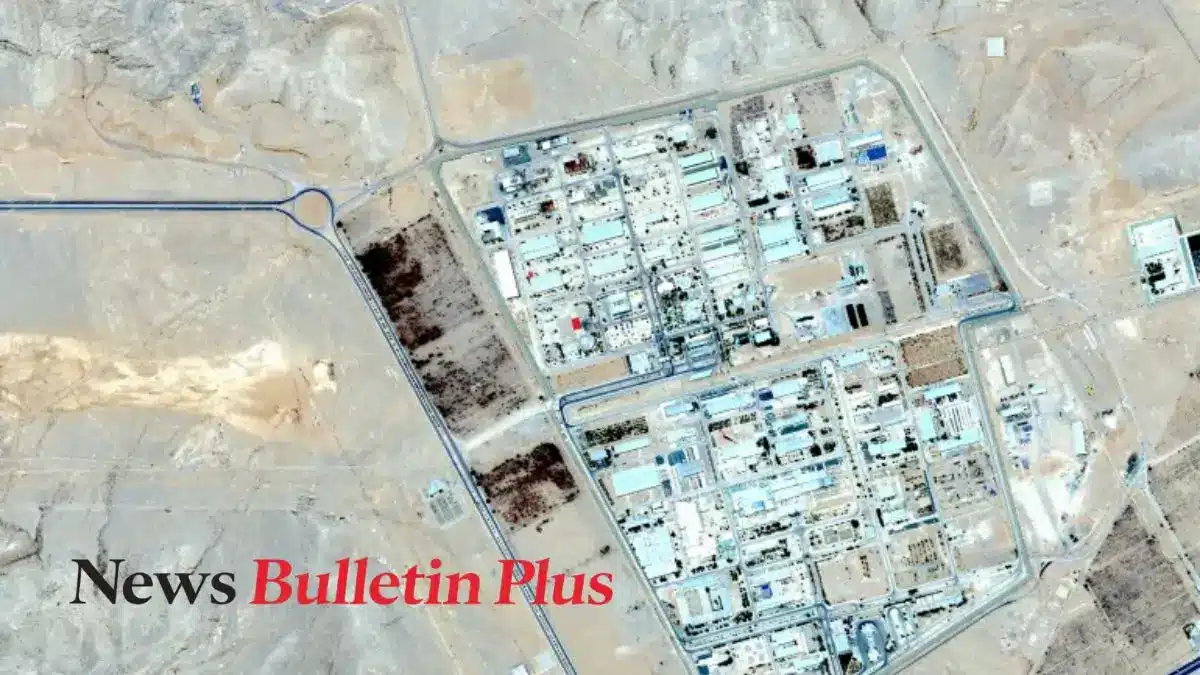
Since then, Iran has expanded its nuclear activities, including enriching uranium to higher levels. According to reports from the International Atomic Energy Agency, Iran’s enriched uranium stockpile has significantly exceeded previous limits.
Now, as part of the nuclear negotiations 2026, the US wants stronger and longer-lasting constraints, while Iran seeks a return to the original timeline—or even shorter commitments.
Reactions and Statements
Officials on both sides have taken firm public positions.
US representatives argue that the evolving geopolitical landscape demands stricter oversight. One senior US official noted that “the world has changed since 2015,” pointing to increased Middle East security risks and advances in Iran’s nuclear capabilities.
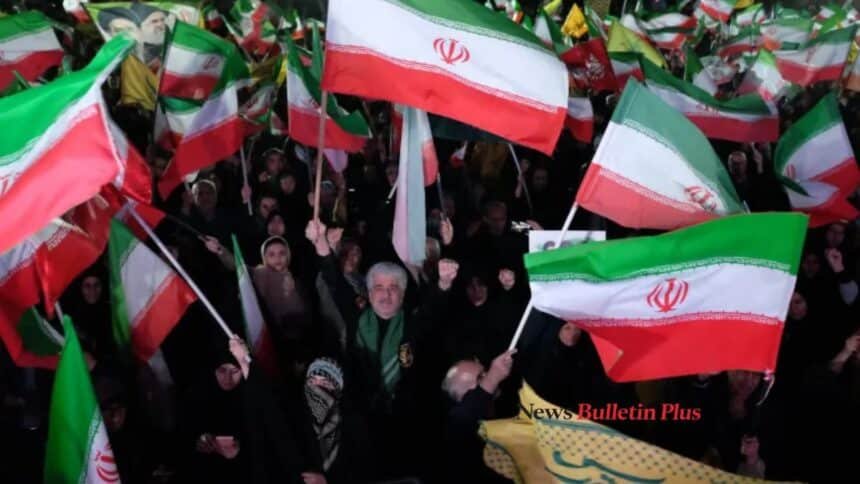
On the other hand, Iranian leaders have framed the issue as a matter of national dignity. President Ebrahim Raisi has repeatedly emphasized that Iran will not bow to external pressure.
European diplomats, who are also part of the talks, have expressed concern. Some fear that failure to reach an agreement could collapse ongoing diplomacy entirely.
Meanwhile, analysts at the International Crisis Group warn that the current deadlock could escalate into a broader US Iran conflict if not managed carefully.
Global or Political Impact
The implications of this dispute stretch far beyond Washington and Tehran.
At stake is the stability of the Middle East—a region already grappling with conflicts and fragile alliances. If negotiations fail, experts say it could trigger a new wave of global nuclear tensions, potentially encouraging other countries to reconsider their own nuclear policies.
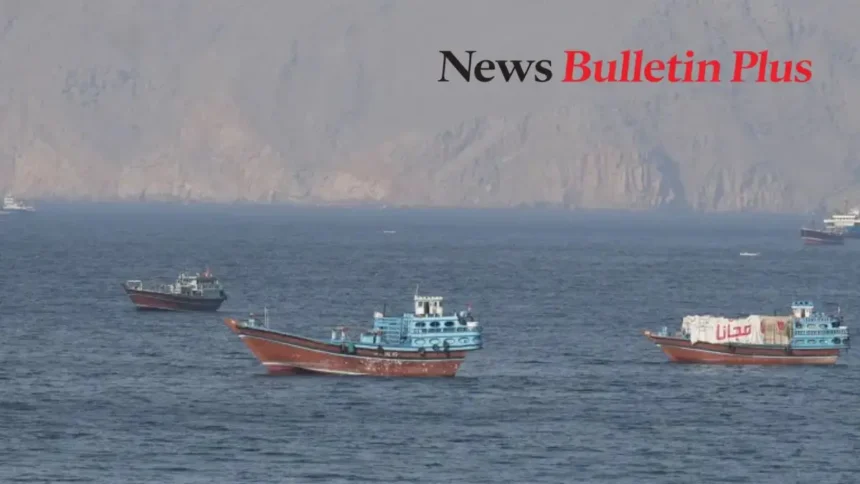
Energy markets are also watching closely. Any escalation could affect oil shipments through critical routes like the Strait of Hormuz, raising concerns among global investors.
From a geopolitical standpoint, the outcome of the US Iran nuclear talks could reshape alliances. Countries like China and Russia have shown support for Iran’s position on limited-duration restrictions, complicating Western diplomatic efforts.
Expert Analysis
Nuclear policy experts say the dispute over timelines is not just symbolic—it has real technical consequences.
Shorter bans mean Iran could legally expand its nuclear program sooner. Longer bans, however, raise questions about fairness and enforceability.
“Duration is everything in arms control agreements,” said one European analyst involved in past negotiations. “Too short, and the deal loses value. Too long, and it becomes politically unacceptable.”
Data from the International Atomic Energy Agency suggests that Iran’s current enrichment capacity has advanced significantly since 2015, making the stakes even higher in today’s negotiations.
Timeline of Events
- 2015 – Iran signs the JCPOA nuclear agreement
- 2018 – US withdraws from the deal under Donald Trump
- 2019–2023 – Iran gradually reduces compliance and expands enrichment
- 2024–2025 – Attempts to revive the deal stall
- 2026 – New round of nuclear negotiations 2026 begins, focusing on enrichment limits
Related Developments
The current dispute comes amid rising tensions across the region. Ongoing conflicts, shifting alliances, and concerns over nuclear proliferation have all contributed to a fragile environment.
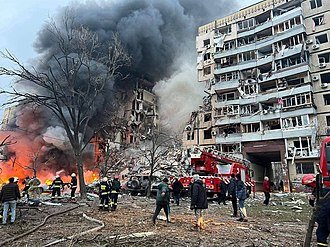
Recent military activity and political rhetoric have added urgency to the talks. Observers note that both sides face internal pressures—economic challenges in Iran and political scrutiny in the US—that could influence their negotiating positions.
What Happens Next
Diplomats say the coming weeks will be critical.
Negotiators are exploring compromise options, including phased timelines or conditional extensions. However, significant gaps remain.
If no agreement is reached, the risk of escalation increases. Some analysts warn that a breakdown in talks could lead to stricter sanctions, further nuclear expansion by Iran, or even military confrontation.
Why This News Matters
This nuclear deal dispute is more than a diplomatic disagreement—it’s a test of whether global powers can still resolve high-stakes conflicts through negotiation.
For ordinary people, the consequences could be far-reaching. From energy prices to international security, the outcome will likely influence daily life in ways that are not immediately visible.
In simple terms, the question is this: can the US and Iran find common ground on something as sensitive as nuclear limits?
Right now, the answer remains uncertain.
Key Takeaways
- The Uranium Enrichment Dispute centers on how long Iran should limit its nuclear activities
- The US wants long-term restrictions, while Iran demands shorter timelines
- The issue is a major obstacle in ongoing US Iran nuclear talks
- Failure to reach a deal could increase global nuclear tensions and impact Middle East security
- The next phase of negotiations will be crucial in determining the future of the Iran nuclear program
Conclusion
The clash over enrichment timelines has exposed deep-rooted mistrust between the United States and Iran. While both sides claim to seek a diplomatic solution, their positions remain far apart.
As nuclear negotiations 2026 continue, the world is watching closely. The outcome will not only define the future of Iran’s nuclear ambitions but also influence the broader landscape of international security.
Whether this moment leads to compromise or confrontation may depend on how far each side is willing to bend—and how much they are willing to risk.
Source & Verification
This news topic is also reported by the international news organization Al Jazeera. Uranium Enrichment Dispute: Why US and Iran Clash Over Ban Duration
Risk Reference: