Police Fire Warning Shots. Tensions erupted in eastern Democratic Republic of Congo after angry residents clashed with security forces at a hospital treating Ebola patients, highlighting the growing fear, misinformation, and pressure surrounding the latest outbreak in the region.
Authorities said police used tear gas and warning shots to disperse crowds outside a hospital near Bunia in Ituri province after protesters attempted to take the body of a man suspected of dying from Ebola for a traditional burial. During the unrest, parts of the treatment area were reportedly set on fire, and healthcare workers were forced under military protection.
The incident has intensified concerns over the worsening DR Congo Ebola treatment centre crisis and the broader public health response as cases continue to rise across eastern Congo.
What Happened at the Ebola Treatment Facility?
The confrontation unfolded at Rwampara General Hospital, one of the key medical sites responding to the ongoing Ebola outbreak DR Congo officials say has already caused hundreds of suspected infections.
Witnesses told local and international media that family members and supporters of a young man believed to have died from Ebola demanded the release of his body. Health officials refused, citing international burial safety rules designed to stop transmission of the virus after death.
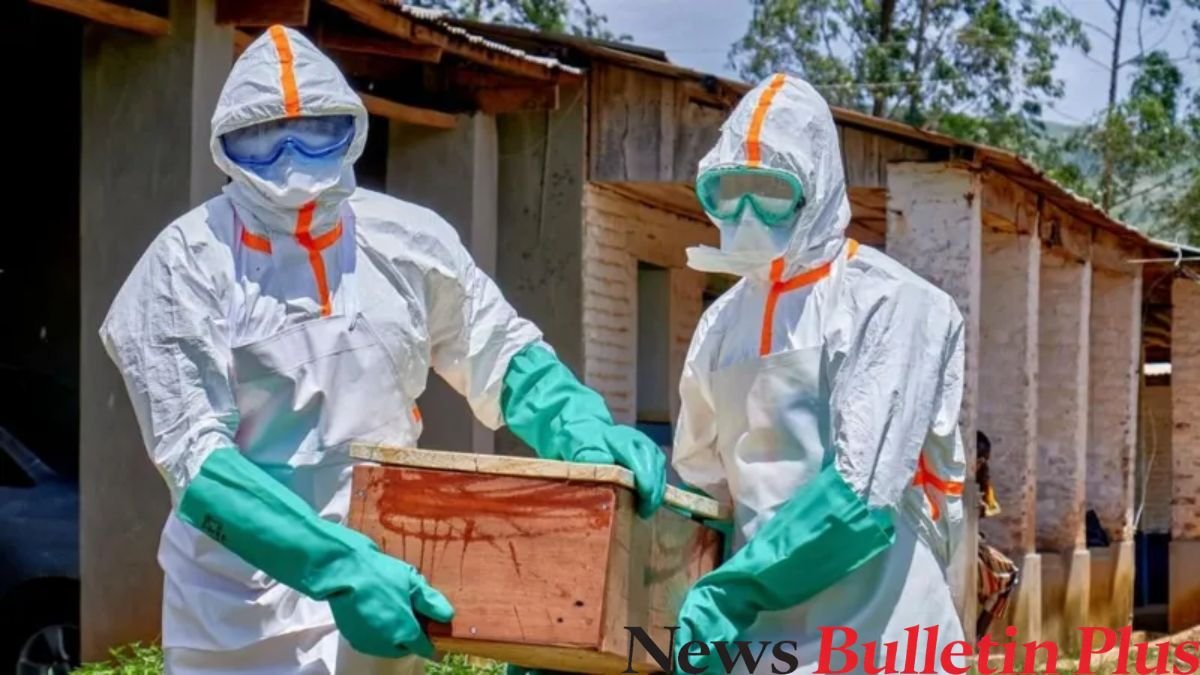
Ebola victims remain highly infectious even after they die. Medical experts have long warned that unsafe funerals are among the leading causes of transmission during outbreaks.
As tensions rose, crowds reportedly began throwing stones and other objects at the hospital compound. Several tents being used as isolation wards inside the Ebola treatment facility were set ablaze during the violence.
In response, authorities said officers used police fire warning shots tactics and tear gas to restore order. One healthcare worker was reportedly injured during the confrontation.


Medical charity groups operating in the area later confirmed that patients receiving treatment were moved to safer sections of the hospital.
Rising Fear During Congo Health Crisis
The latest violence reflects a deeper problem facing health officials during the current Congo health crisis: mistrust.
Local leaders say many residents in remote communities remain skeptical about Ebola, despite repeated outbreaks in the country over the past decade. Some families reportedly believe the disease is exaggerated or politically manipulated, while others accuse hospitals and aid organizations of profiting from the emergency.
Luc Malembe , a local politician who witnessed the unrest, told reporters that many people “do not grasp the reality of the disease.”
This distrust has complicated efforts by doctors, aid groups, and international agencies trying to contain the virus.
The current outbreak is linked to the Bundibugyo strain of Ebola, a rare variant for which there is currently no approved vaccine or targeted treatment. According to the World Health Organization, suspected cases in DR Congo have surged sharply in recent weeks.
Health experts warn that violence against treatment centers could dramatically increase the risk of transmission, especially if infected individuals leave medical supervision.
Background of the Story
The Democratic Republic of Congo has experienced multiple Ebola outbreaks since the virus was first identified near the Ebola River in 1976.
However, this outbreak presents unique challenges.
The World Health Organization recently raised the national risk level from “high” to “very high,” pointing to rapid transmission, cross-border movement, and instability in eastern Congo.
So far, suspected infections have spread across Ituri province and into neighboring regions, with isolated cases also reported in Uganda. International aid groups say weak healthcare systems and ongoing armed conflict are making containment harder.
According to Reuters and WHO updates, more than 700 suspected cases and over 170 suspected deaths have already been recorded during the current outbreak.
The outbreak has also disrupted daily life in affected communities. Schools, sporting activities, and transportation services have faced interruptions as authorities try to slow the spread of the virus.
Timeline of Events
- April 2026: First suspected Ebola-related death reported in Bunia
- Early May: Cases begin spreading through Ituri province
- Mid-May: WHO declares a public health emergency
- May 21-22: Violent crowd unrest in Congo incidents erupt at the Rwampara hospital
- May 24: Reports emerge of additional attacks on Ebola treatment tents in nearby areas
WHO Ebola Response and International Concerns
The WHO Ebola response has focused on emergency surveillance, safe burials, isolation procedures, and community awareness campaigns.
But aid workers say the response faces enormous obstacles.
Eastern Congo remains affected by armed groups, weak infrastructure, and deep public distrust. International medical teams operating in the area have repeatedly faced attacks during previous outbreaks as well.
WHO Director-General Dr. Tedros Adhanom Ghebreyesus recently warned that violence and insecurity are slowing containment efforts.
Researchers are also racing to develop medical tools against the Bundibugyo strain. Scientists at Oxford University are reportedly working on a potential vaccine candidate, though experts say it could take months before clinical trials begin.
Meanwhile, neighboring countries including Uganda and Rwanda have tightened border health checks to reduce the risk of regional spread.
Reactions From Officials and Health Experts
Congolese authorities condemned the attack on the treatment center and urged communities to cooperate with health workers.
Government officials said safe burial protocols are necessary because direct contact with infected bodies remains one of the deadliest transmission routes.
Public health analysts say the unrest demonstrates how fragile epidemic response systems become when communities lose trust in institutions.
Some experts have compared the situation to earlier Ebola outbreaks in West Africa, where misinformation and fear sometimes led to attacks on doctors and aid workers.
Healthcare organizations have called for stronger local outreach programs that involve religious leaders, community elders, and local volunteers rather than relying solely on outside medical teams.
Why This Democratic Republic of Congo News Matters
This latest wave of Democratic Republic of Congo news is not only about a regional outbreak. It also reflects the wider global challenge of managing infectious diseases in areas facing conflict, poverty, and misinformation.
Health specialists warn that outbreaks become far harder to control when hospitals are attacked and patients flee treatment centers.
The incident also highlights how public trust can become just as important as medicine during a health emergency.
If authorities fail to rebuild confidence among local communities, experts fear the outbreak could continue spreading through eastern Congo and beyond.
For now, emergency teams remain on alert as health workers continue treating patients under difficult and often dangerous conditions.
Key Takeaways
- Police fired warning shots during unrest at a hospital treating Ebola patients in eastern DR Congo
- Protesters reportedly burned isolation tents after disputes over burial procedures
- WHO has raised the Ebola risk level in Congo to “very high”
- The outbreak involves the rare Bundibugyo Ebola strain with no approved vaccine
- Aid agencies warn that mistrust and violence are threatening containment efforts
Source & Verification
This news topic is also reported by the international news organization BBC. Police Fire Warning Shots as Crowds Storm DR Congo Ebola Treatment Centre.
Risk Reference:
https://www.bbc.com/news/articles/c0l22pz6nw6o