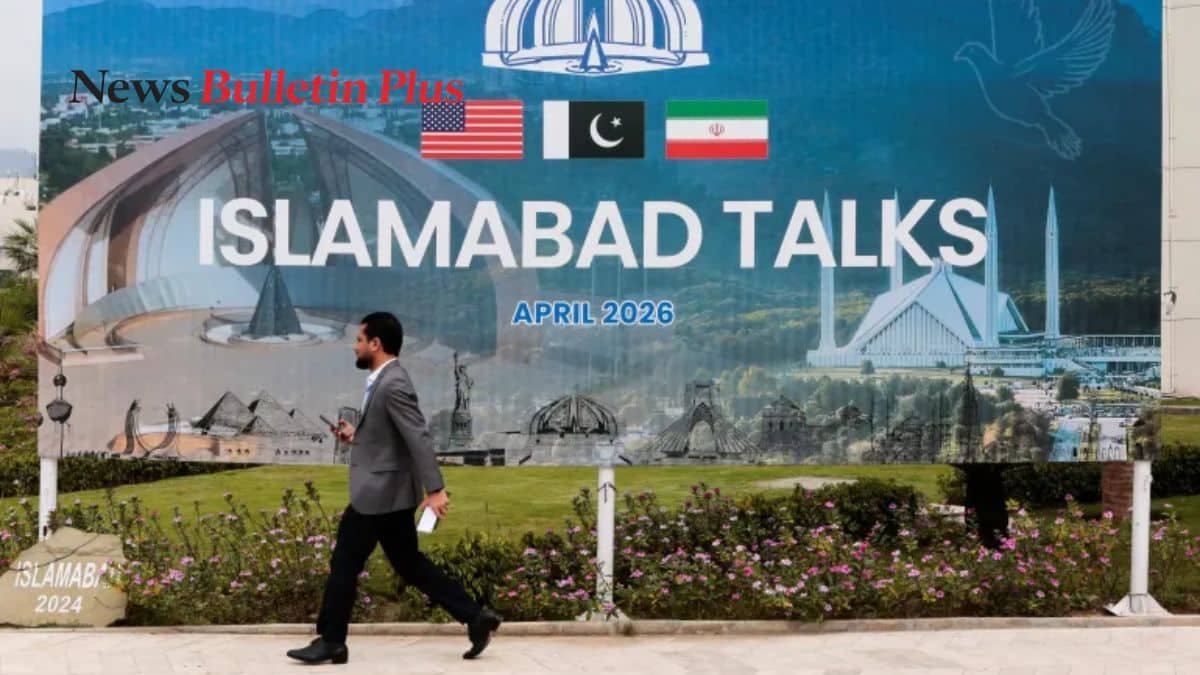
Fresh diplomatic efforts are underway as US Iran Talks in Pakistan officially begin, marking a critical moment in attempts to halt a conflict that has shaken the Middle East and global markets alike. Delegations from Washington and Tehran have arrived in Islamabad for high-stakes discussions aimed at securing an Iran war ceasefire and easing rising tensions.
The talks, described by officials as a rare opportunity for dialogue, highlight the growing importance of Pakistan mediation role in international diplomacy. With the conflict threatening energy routes and regional stability, expectations are high—but so are the risks.
What Happened
The latest round of US Iran talks 2026 opened behind closed doors in Islamabad, where diplomats from both sides began negotiations focused on ending hostilities and preventing further escalation.
Sources familiar with the discussions say the agenda includes:
- Immediate ceasefire measures
- Protection of shipping routes near the Strait of Hormuz crisis
- Broader US Iran negotiations over military de-escalation
The choice of Pakistan as host reflects ongoing Pakistan diplomatic efforts to position itself as a neutral facilitator. Officials in Islamabad have been working quietly for weeks to bring both sides to the table.
While early sessions are said to be cautious, there is growing hope that these war ending talks could open the door to a wider agreement.
Timeline of Events
- Weeks Earlier: Rising clashes intensify concerns over a wider regional conflict
- Diplomatic Outreach: Pakistan initiates backchannel communication with both sides
- Agreement to Meet: US and Iranian officials agree to hold talks in Islamabad
- Talks Begin: Formal negotiations start under tight security
- Ongoing Discussions: Focus shifts to ceasefire terms and regional security
Background of the Story
The current crisis did not emerge overnight. Months of escalating tensions, including disputes over maritime security and longstanding Iran nuclear concerns, have fueled mistrust between Washington and Tehran.
The situation worsened following disruptions linked to the Strait of Hormuz crisis, a vital chokepoint through which nearly 20% of the world’s oil supply passes, according to data from the U.S. Energy Information Administration.


As a result, the global oil supply impact has been significant. Prices surged in recent weeks, affecting economies far beyond the Middle East.
Analysts say the conflict has also exposed deeper cracks in US foreign policy Iran, particularly in balancing deterrence with diplomacy.
Reactions and Statements
Officials from both countries have struck a cautious tone.
A senior US representative described the talks as “a necessary step to reduce tensions,” while emphasizing that “serious differences remain.”
Iranian officials, meanwhile, have signaled openness to dialogue but insist that any agreement must address broader regional concerns and sanctions.
Pakistan’s leadership has taken a more optimistic stance. In a statement, officials said the Islamabad peace talks represent “a meaningful opportunity to move toward de-escalation.”
Observers note that public messaging remains measured, suggesting both sides are wary of raising expectations too quickly.
Expert Analysis
Foreign policy experts say the success of these US Iran negotiations will depend on whether both sides are willing to make tangible concessions.
“Ceasefires are often the easiest part,” said a regional analyst. “The real challenge is building trust after years of hostility.”
Experts also point to the economic pressure created by the conflict. The global economic impact war has already been felt through rising energy prices and disrupted trade routes.
According to analysts at the International Crisis Group, prolonged instability could push global markets into further uncertainty, especially if tensions escalate again.
At the same time, Pakistan’s involvement is being closely watched. Some experts believe its role could strengthen its standing in global diplomacy if a diplomatic breakthrough is achieved.
Global or Political Impact
The stakes go far beyond the negotiating table.
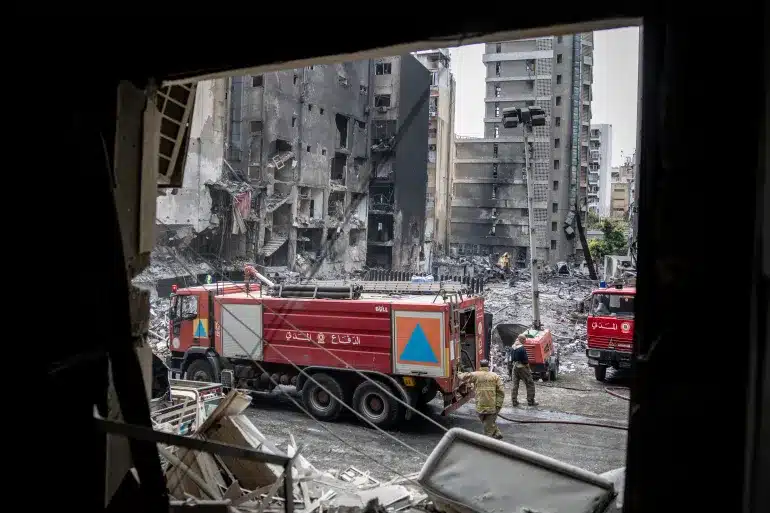
The conflict has already intensified Middle East tensions, affecting neighboring countries and raising fears of a broader regional war.
Energy markets remain particularly sensitive. Any disruption in the Strait of Hormuz can send shockwaves across global supply chains, impacting everything from fuel prices to food costs.
There are also implications for regional stability Middle East, as countries in the region weigh their own security strategies amid uncertainty.
For the United States, the outcome of these talks could reshape US foreign policy Iran, especially ahead of future diplomatic engagements.
Related Developments
Recent weeks have seen a surge in diplomatic activity:
- European leaders calling for restraint
- Gulf nations urging protection of shipping lanes
- International organizations warning of humanitarian risks
These parallel efforts underscore the urgency of finding a solution through war ending talks.
What Happens Next
Negotiations are expected to continue over the coming days, with mediators working to bridge gaps between the two sides.
Key questions remain:
- Can both sides agree on an immediate ceasefire?
- Will discussions expand to include nuclear and sanctions issues?
- Can Pakistan sustain its role as a neutral mediator?
Officials say progress may be slow, but even small steps could help reduce tensions.
Why This News Matters
For ordinary people, this is not just another diplomatic story.
The outcome of these talks could influence:
- Global fuel prices
- Economic stability
- Security across the Middle East
In short, the decisions made in Islamabad could ripple across the world.
Key Takeaways
- US Iran Talks in Pakistan mark a major diplomatic effort to end ongoing conflict
- Pakistan is playing a central Pakistan mediation role in facilitating dialogue
- The Strait of Hormuz crisis continues to impact global energy markets
- A potential diplomatic breakthrough could reshape regional dynamics
- The talks carry significant global economic impact war implications
Conclusion
The start of US Iran Talks in Pakistan signals a rare opening in a deeply entrenched conflict. While the path to peace remains uncertain, the willingness of both sides to engage—however cautiously—offers a glimmer of hope.
For Pakistan, the moment is equally significant. Its role in hosting the talks highlights growing Pakistan diplomatic efforts on the global stage.
But the real test lies ahead. Can dialogue replace confrontation? Can trust be rebuilt after years of tension?
As negotiations continue in Islamabad, the world will be watching closely—because what happens here may shape the future of the Middle East, and beyond.
Source & Verification
This news topic is also reported by the international news organization Al Jazeera. US Iran Talks in Pakistan Begin as Leaders Push to End Ongoing War
Risk Reference:
https://www.aljazeera.com/news/2026/4/11/us-iran-talks-on-ending-war-begin-in-pakistan