Alberta to Hold: The government of Alberta is preparing for a major political showdown after announcing plans for a possible referendum that could ask residents whether the province should remain part of Canada. The move has intensified the ongoing Alberta referendum debate in Canada and reopened long-standing tensions between western provinces and the federal government in Ottawa.
The proposed vote comes at a time when frustrations over energy policies, taxation, and federal influence are already fueling discussions around provincial autonomy. While officials insist the process is about giving Albertans a voice, critics warn it could deepen divisions across the country and create uncertainty in Canadian politics.
Political observers say the issue has quickly become one of the most closely watched stories in recent Canada political news, with implications reaching far beyond Alberta itself.
What Happened
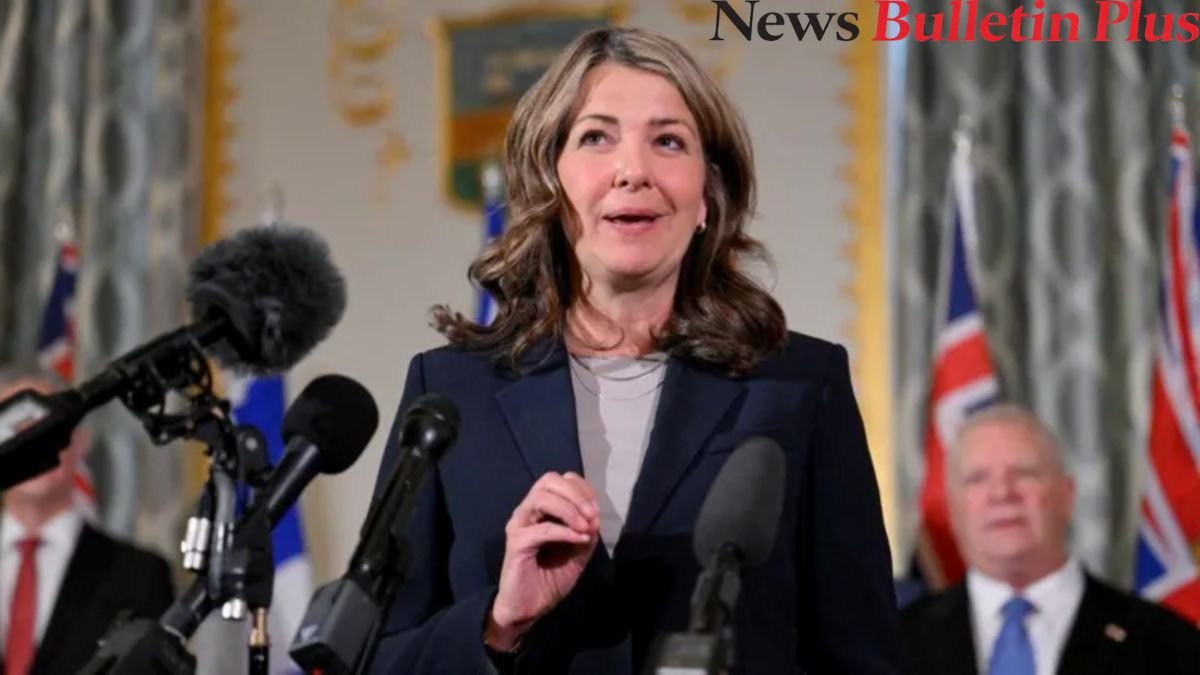
Premier Danielle Smith confirmed that the province is exploring a referendum framework that could eventually allow voters to decide on Alberta’s future within Canada. Although no final date has been set, officials said public consultations and legislative discussions are expected in the coming months.
The announcement follows growing pressure from groups linked to the Alberta sovereignty movement, many of whom argue that Ottawa’s policies have unfairly affected Alberta’s economy, particularly the oil and gas sector.
Supporters of the idea say an Alberta independence vote would give residents a chance to express dissatisfaction with federal decision-making. Others, however, argue the province benefits economically and politically from remaining within the federation.
The discussion has already sparked heated reactions online and in political circles across the country.
Background of the Story
The roots of the current Alberta separation debate stretch back decades. Alberta has long argued that it contributes heavily to the national economy while receiving limited influence over federal policy decisions.


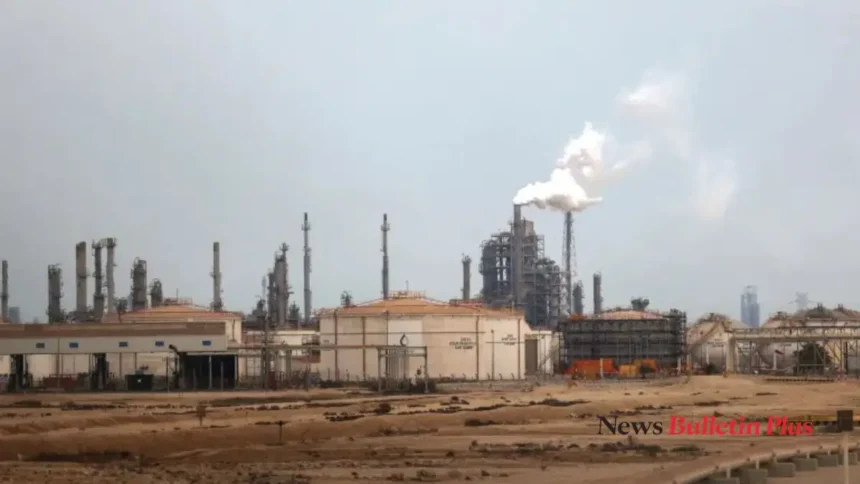
Tensions increased in recent years over environmental regulations, pipeline disputes, and carbon emission policies introduced by the federal government. Many Alberta residents believe Ottawa’s climate agenda has placed pressure on the province’s energy industry, which remains a major employer and revenue source.
The debate gained momentum after previous disputes over pipeline approvals and equalization payments. Similar frustrations have occasionally surfaced in other provinces, particularly in western Canada, where some political groups have accused the federal government of prioritizing central Canadian interests.
Analysts note that while separatist sentiment in Alberta has historically remained smaller than Quebec’s sovereignty movement, economic pressures and political polarization have revived conversations about autonomy.
According to constitutional experts cited by Canadian media, a provincial referendum would not automatically lead to separation. Instead, it would likely trigger negotiations and legal challenges involving the federal government and other provinces.
Reactions and Statements
Federal leaders responded cautiously to the announcement. Prime Minister Mark Carney emphasized the importance of national unity and urged political leaders to focus on economic stability rather than division.
Several opposition politicians criticized the referendum proposal, calling it politically risky during a period of economic uncertainty. Others argued that the conversation reflects legitimate frustrations among Alberta voters.
Political science experts say the situation highlights a broader Canada unity issue that has periodically surfaced throughout the country’s history.
“This is about more than separation,” one Canadian political analyst told local broadcasters. “It reflects a deeper debate over representation, resources, and regional identity.”
Business leaders also expressed concern about market uncertainty. Alberta remains one of Canada’s largest energy-producing provinces, and investors are closely watching how the debate may affect long-term policy and economic confidence.
Meanwhile, supporters of the referendum argue the province deserves greater control over taxation, natural resources, and immigration policies.
Key Takeaways
- Alberta is considering a referendum related to its future within Canada.
- The debate is tied to long-standing disputes over federal energy and economic policies.
- Supporters say Alberta needs more autonomy from Ottawa.
- Critics warn the move could create political and economic instability.
- Constitutional experts say separation would involve lengthy legal negotiations.
Global and Political Impact
The possibility of a referendum in Canada is attracting international attention because Alberta plays a central role in North America’s energy sector.
Any political instability in the province could influence foreign investment, oil markets, and Canada’s international economic relationships. Analysts say uncertainty surrounding Alberta’s future could also affect investor confidence in large infrastructure projects.
Several economists have warned that even the discussion of separation can create financial concerns. Currency markets, trade agreements, and federal-provincial fiscal arrangements may all come under scrutiny if the situation escalates.
Globally, the debate is also being compared to other regional independence movements, including those seen in Scotland and Catalonia over the past decade.
Experts say the current dispute demonstrates how economic frustrations can evolve into broader constitutional debates, especially during periods of political polarization.
Timeline of Events
2020–2022
Growing frustration emerges in Alberta over federal climate and energy policies.
2023
Provincial political groups increase calls for greater autonomy and sovereignty measures.
2024–2025
Debates around federal-provincial relations intensify amid economic concerns and policy disputes.
2026
Alberta officials announce plans to explore a possible referendum process regarding the province’s future within Canada.
Expert Analysis
Constitutional scholars say the legal road toward separation would be extremely difficult. Under Canadian law, any attempt to leave the federation would likely require negotiations involving Parliament, provincial governments, and the courts.
Experts also point to the economic complexities involved. Alberta’s economy is deeply tied to the rest of Canada through trade, banking systems, labor mobility, and federal programs.
Some analysts believe the referendum discussion may ultimately serve more as political leverage than a direct path toward independence. By increasing pressure on Ottawa, Alberta leaders could seek stronger provincial powers or revised fiscal arrangements.
Still, the issue has become a defining moment in modern Alberta to Hold Referendum, especially as public frustration over economic and cultural issues continues to grow.
What Happens Next
The Alberta government is expected to introduce further details about how a referendum process could work. Public consultations, legislative proposals, and political campaigning are likely to dominate discussions in the coming months.
Federal officials are also expected to respond with efforts aimed at reducing tensions and reinforcing national unity.
Much will depend on public opinion. Recent surveys suggest Albertans remain divided, with some supporting greater autonomy while others strongly oppose separation.
Political observers say the next phase of the debate could shape Canada’s political landscape for years.
Why This News Matters
The discussion surrounding Alberta’s future is about far more than one province. It touches on national identity, economic fairness, and the balance of power within Canada’s federal system.
For many Canadians, the debate reflects deeper frustrations over regional representation and resource management. For others, it raises concerns about political fragmentation at a time when economic stability remains a priority.
Whether the proposed referendum moves forward or not, the conversation has already become one of the most significant developments in recent Canadian politics. And as tensions continue to rise, the world will be watching closely to see how Canada handles one of its most sensitive political challenges in years.
Source & Verification
This news topic is also reported by the international news organization BBC. Alberta to Hold Referendum on Remaining in Canada as Political Tensions Grow
https://www.bbc.com/news/articles/cvgze8n5dxko