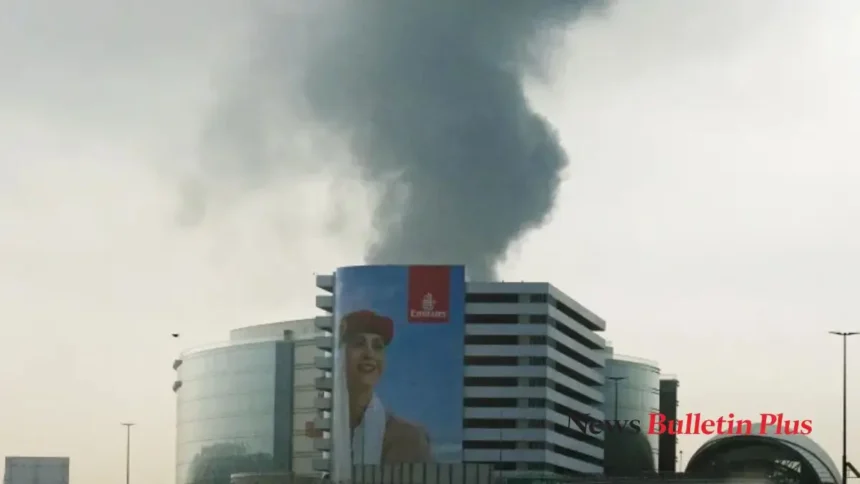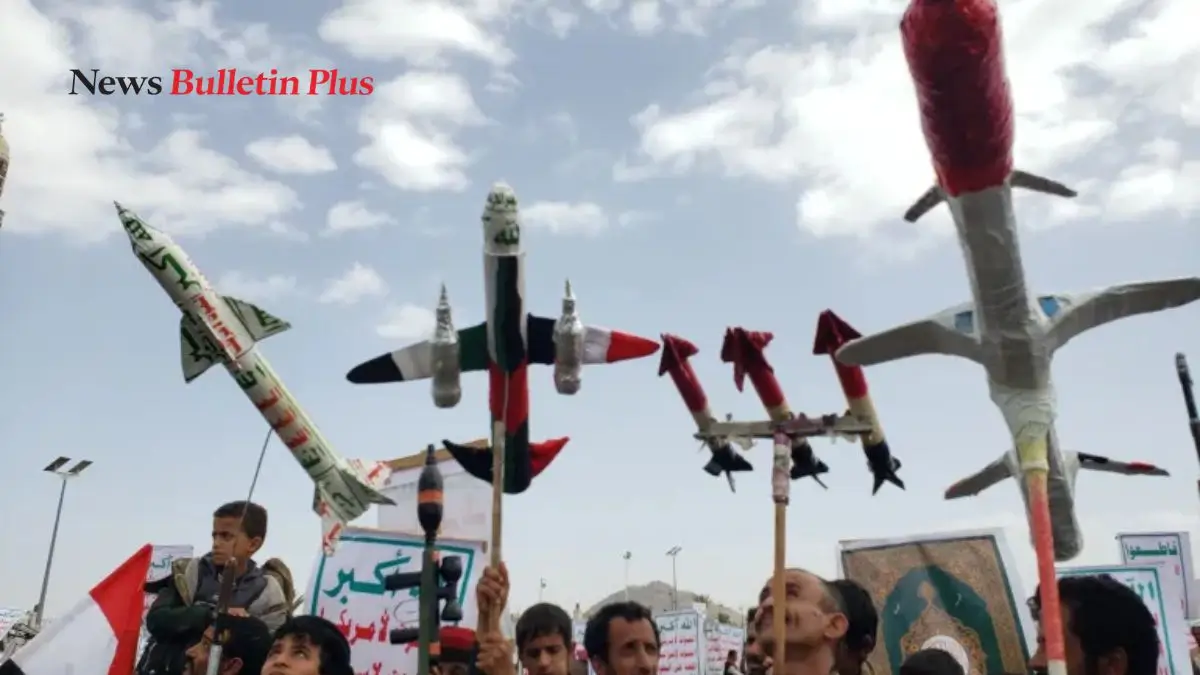
The unfolding crisis in the Middle East has taken a sharp turn as Houthis open new front in Iran war, raising alarm over the safety of one of the world’s most critical maritime corridors. The Yemeni armed group, long aligned with Tehran, has signaled it could escalate operations near the Bab al-Mandeb strait — a narrow chokepoint that connects the Red Sea to the Gulf of Aden.
Security analysts warn that this move is not just symbolic. If tensions continue to rise, the region could witness a serious disruption to global trade flows, adding fresh uncertainty to an already fragile geopolitical landscape.
What Happened
Recent developments suggest a significant shift in strategy by Yemen’s Houthi movement. The group has intensified its rhetoric and military posture, hinting at a possible Bab al-Mandeb strait blockade — a move that would directly threaten international shipping routes.
Reports indicate that Yemen Houthis missile attacks and drone operations have already increased in frequency, targeting vessels and strategic points in and around the Red Sea. While not all strikes have resulted in damage, the pattern is clear: the group is expanding its operational reach.
Military observers say this marks a deeper Houthi involvement Iran war, effectively opening another front tied to broader regional tensions involving Iran and its allies.
A senior maritime security official told regional media, “Even the perception of risk in the Bab al-Mandeb can force shipping companies to reroute. That alone can drive up costs globally.”
Background of the Story
The Houthis, officially known as Ansar Allah, have been a dominant force in Yemen’s conflict for years. Backed politically and militarily by Iran, they are widely considered part of a network of Iran allied groups in Middle East, which includes factions in Iraq, Syria, and Lebanon.
The Bab al-Mandeb strait itself handles nearly 10% of global seaborne trade, according to data from the International Energy Agency. It is a lifeline for oil shipments from the Gulf to Europe and North America.


This latest development comes amid rising Red Sea conflict escalation, fueled by overlapping regional disputes and growing hostility between Iran and its adversaries. Analysts say the situation in Yemen is increasingly tied to these broader dynamics, turning the country into a key arena for proxy confrontation.
Timeline of Events
- Early 2026: Regional tensions involving Iran begin to intensify
- Mid-March 2026: Increased reports of maritime threats in the Red Sea
- Late March 2026: Houthis signal potential expansion of military operations
- March 29, 2026: Warnings emerge about possible disruption in Bab al-Mandeb
Reactions and Statements
International concern has grown rapidly. The United States and European Union have both issued warnings about the risks to maritime security, emphasizing the importance of keeping sea lanes open.
A spokesperson for a global shipping association said, “We are closely monitoring the situation. Any sustained threat in the Bab al-Mandeb could have immediate consequences for global supply chains.”
Meanwhile, Yemeni Houthi officials have framed their actions as part of a broader resistance strategy, though they have stopped short of confirming a full blockade.
Regional analysts note that the conflict spillover Yemen is becoming harder to contain. “What we’re seeing is not isolated,” said a Middle East researcher. “It’s interconnected with a much larger geopolitical struggle.”
Global or Political Impact
The potential consequences of this escalation are far-reaching. A disruption in the Bab al-Mandeb would pose serious Global shipping route threats, forcing vessels to take longer, more expensive routes around Africa.
This would likely trigger a chain reaction:
- Increased fuel costs
- Delayed deliveries
- Higher prices for goods worldwide
Economists warn that even a temporary maritime trade disruption could impact energy markets, especially oil and liquefied natural gas shipments.
There are also political implications. Governments across Asia, Europe, and the Middle East rely heavily on the stability of this route. Any prolonged instability could strain diplomatic relations and increase military presence in the region.
Expert Analysis
Experts say the situation reflects a calculated move by Iran-aligned actors to apply pressure without triggering full-scale war.
According to analysts at the International Crisis Group, expanding the conflict into maritime zones gives groups like the Houthis strategic leverage. It allows them to influence global markets while maintaining plausible deniability.
A defense analyst based in London explained, “Targeting chokepoints like Bab al-Mandeb is a classic asymmetric tactic. It doesn’t require large-scale warfare to create global impact.”
Related Developments
- Increased naval patrols by international forces in the Red Sea
- Insurance premiums for shipping companies rising sharply
- Reports of rerouted cargo vessels avoiding high-risk zones
These developments highlight how quickly the situation is evolving — and how sensitive global trade systems are to regional instability.
What Happens Next
The coming days will be critical. If the Houthis move beyond threats and attempt to enforce a blockade, it could trigger a military response from international coalitions.
Diplomatic efforts are also expected to intensify. Backchannel talks involving regional players may aim to prevent further escalation.
However, much depends on how the broader Iran-related tensions unfold. If those conflicts deepen, Yemen could remain a central flashpoint.
Why This News Matters
This is not just another regional conflict headline. The Bab al-Mandeb is a vital artery for global commerce, and any instability there affects economies far beyond the Middle East.
From fuel prices to consumer goods, the ripple effects could be felt worldwide. More importantly, this development signals a shift in how modern conflicts are fought — not just on land, but across critical economic lifelines.
Key Takeaways
- Houthis signal expansion of operations linked to Iran tensions
- Bab al-Mandeb strait faces potential disruption
- Increased missile and drone activity in the Red Sea
- Global trade and energy markets at risk
- International concern growing over maritime security
Conclusion
The announcement that Houthis may open a new front tied to Iran’s broader conflict has added a dangerous dimension to an already tense region. With the Bab al-Mandeb strait in focus, the stakes are no longer confined to Yemen or its neighbors.
What happens next could shape not just regional stability, but the flow of global trade itself. For now, the world watches closely — aware that even a small spark in this narrow waterway could have far-reaching consequences.
Source & Verification
This news topic is also reported by the international news organization Al Jazeera. Houthis Open New Front in Iran War With Threat to Disrupt Key Red Sea Shipping Route
Risk Reference: