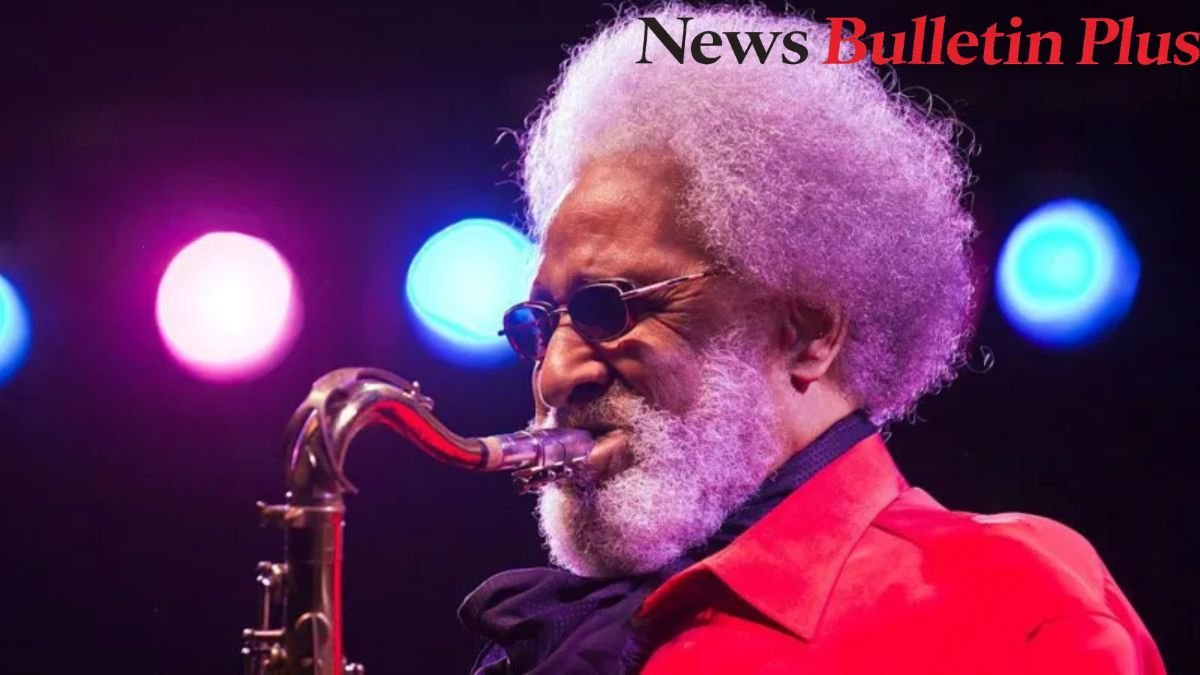
Jazz Legend Sonny Rollins. The world of jazz is mourning the loss of one of its most influential figures after news of Sonny Rollins’ death was confirmed at the age of 95. Widely regarded as one of the greatest saxophonists in modern music, Rollins shaped generations of performers with a career that stretched across more than seven decades.
Known for his powerful improvisation, fearless creativity, and unmistakable tenor saxophone sound, the legendary performer became a defining figure in American jazz. His passing marks the end of an era for fans, musicians, and historians who viewed him as a towering force in global music culture.
As tributes continue to pour in from across the world, the jazz world mourning his death reflects the enormous influence he had not only on jazz, but on modern music as a whole.
What Happened
According to reports confirmed by family representatives, Rollins died peacefully at the age of 95. Details surrounding the exact cause of death were not immediately made public, though the musician had largely remained out of public appearances in recent years due to health concerns linked to aging.
The news quickly spread through the music community, prompting reactions from fellow performers, cultural institutions, and longtime fans. Major media organizations described the loss as one of the most significant moments in recent music industry news, given Rollins’ standing in jazz history.
For many listeners, Rollins was more than a performer. He represented an entire generation of musical innovation that transformed jazz into a truly global art form.
The Remarkable Career of a Legendary Saxophonist
Born in Harlem, New York, in 1930, Rollins grew up during a transformative period for jazz music in America. Inspired by early swing and bebop artists, he began playing saxophone as a teenager and quickly established himself as a gifted improviser.
By the 1950s, he had already become one of the most respected names in jazz circles. His collaborations with iconic artists such as Miles Davis, Thelonious Monk, and Max Roach helped shape the sound of postwar American jazz.


Music historians often describe Rollins as a fearless innovator. Unlike many performers who relied heavily on rehearsed patterns, he was celebrated for spontaneous improvisation during live performances. That approach helped establish him as a true saxophone icon and one of the most admired improvisational artists of the 20th century.
His landmark albums, including Saxophone Colossus and The Bridge, remain essential listening for jazz enthusiasts and music students around the world.
At one point in his career, Rollins famously stepped away from public performance for nearly two years to practice privately. During that period, he reportedly spent hours rehearsing on New York’s Williamsburg Bridge, searching for new musical ideas and greater artistic discipline. Many critics later viewed that decision as evidence of his extraordinary commitment to musical excellence.
Background of the Story
The passing of Rollins comes during a period when many foundational figures of classic jazz are disappearing from public life. Over the past decade, the music community has increasingly focused on preserving recordings, archives, and oral histories connected to jazz pioneers.
Experts in Jazz Legend Sonny Rollins say Rollins occupied a unique position because he successfully bridged several major eras of jazz evolution. He performed during the bebop revolution, the hard bop movement, and the rise of modern experimental jazz, yet managed to remain relevant through each transition.
His influence extended far beyond the United States. European jazz festivals, Asian concert halls, and music conservatories worldwide regularly honored his work. Younger musicians often cited Rollins as an artist who demonstrated how technical mastery and emotional storytelling could coexist in jazz performance.
According to cultural analysts, his music also reflected broader social themes in American history, including racial identity, civil rights struggles, and artistic freedom during the mid-20th century.
Reactions and Statements
Tributes from across the entertainment industry began appearing within hours of the announcement.
Several leading performers described Rollins as “a once-in-a-century talent” whose work changed the language of jazz improvisation forever. Others highlighted his humility and relentless dedication to practice.
Jazz institutions in New York and New Orleans issued public statements honoring the musician’s cultural contribution. Fans also gathered online to share favorite performances, rare recordings, and memories from live concerts spanning decades.
Music scholars noted that Rollins earned respect not simply because of technical brilliance, but because of his ability to communicate emotion through performance. His solos often carried humor, tension, spirituality, and social commentary all at once.
One longtime jazz critic told reporters that Rollins “played with a level of honesty that audiences could immediately feel.”
The reaction underscores the depth of the Sonny Rollins legacy, which continues to influence musicians working in jazz, hip-hop, classical fusion, and experimental music.
Global Impact on Jazz and American Culture
The death of Rollins is being viewed as a major cultural moment far beyond the jazz community itself.
As an American jazz musician, Rollins became part of a generation that helped position jazz as one of the United States’ most influential cultural exports. During the Cold War era, jazz tours sponsored by cultural organizations introduced international audiences to American music and artistic expression.
Analysts say Rollins’ work also contributed to broader conversations about identity and creativity. His performances often challenged musical boundaries, pushing audiences to rethink what improvisation could achieve.
Universities and music academies worldwide continue to teach his recordings as examples of advanced improvisational structure and melodic development. Many younger performers still study his phrasing techniques and rhythmic experimentation.
In recent years, streaming platforms introduced Rollins’ work to new generations of listeners who may not have experienced jazz through traditional radio or vinyl collections. That digital rediscovery helped keep his music alive among younger audiences.
Key Takeaways
- Sonny Rollins has died at the age of 95.
- The influential tenor saxophonist was considered one of jazz’s greatest improvisers.
- His career lasted more than 70 years and shaped modern jazz performance.
- Rollins collaborated with major music figures including Miles Davis and Thelonious Monk.
- Fans and artists worldwide are paying tribute to his lasting cultural influence.
Timeline of Sonny Rollins’ Career
1930
Born in Harlem, New York.
1940s
Began performing professionally during the rise of bebop jazz.
1956
Released the landmark album Saxophone Colossus.
Late 1950s
Temporarily stepped away from performing to focus on personal musical development.
1962
Released The Bridge, marking his celebrated return to recording.
2000s
Received multiple lifetime achievement honors for contributions to music.
2026
Dies at age 95, prompting tributes worldwide.
What Happens Next
Music historians expect renewed interest in Rollins’ recordings, interviews, and live performances following his death. Record labels and streaming platforms are also likely to highlight special collections celebrating his work.
Cultural organizations may organize tribute concerts and retrospectives examining his role in shaping modern jazz. Some experts believe renewed attention could also inspire younger audiences to explore classic jazz recordings for the first time.
Meanwhile, preservation groups continue efforts to archive live recordings and rare performances connected to Rollins’ career, many of which remain historically valuable for researchers and musicians.
Why This News Matters
The passing of Rollins is not simply the loss of another celebrity figure. It represents the closing chapter of one of jazz’s most important generations.
For decades, Rollins stood as a symbol of artistic discipline, experimentation, and creative independence. His work influenced countless performers while helping jazz remain culturally relevant across changing eras.
As the jazz legend dies, many in the music community are reflecting on how deeply his sound shaped modern improvisation and performance culture.
The legacy left behind by this legendary saxophonist will almost certainly continue to inspire future musicians, scholars, and audiences for decades to come.
Source & Verification
This news topic is also reported by the international news organization BBC. Jazz Legend Sonny Rollins Dies at 95, Leaving Behind a Lasting Legacy in American Music.
Risk Reference:
https://www.bbc.com/news/articles/c1e224dwz18o