Islamic State-linked families in Australia
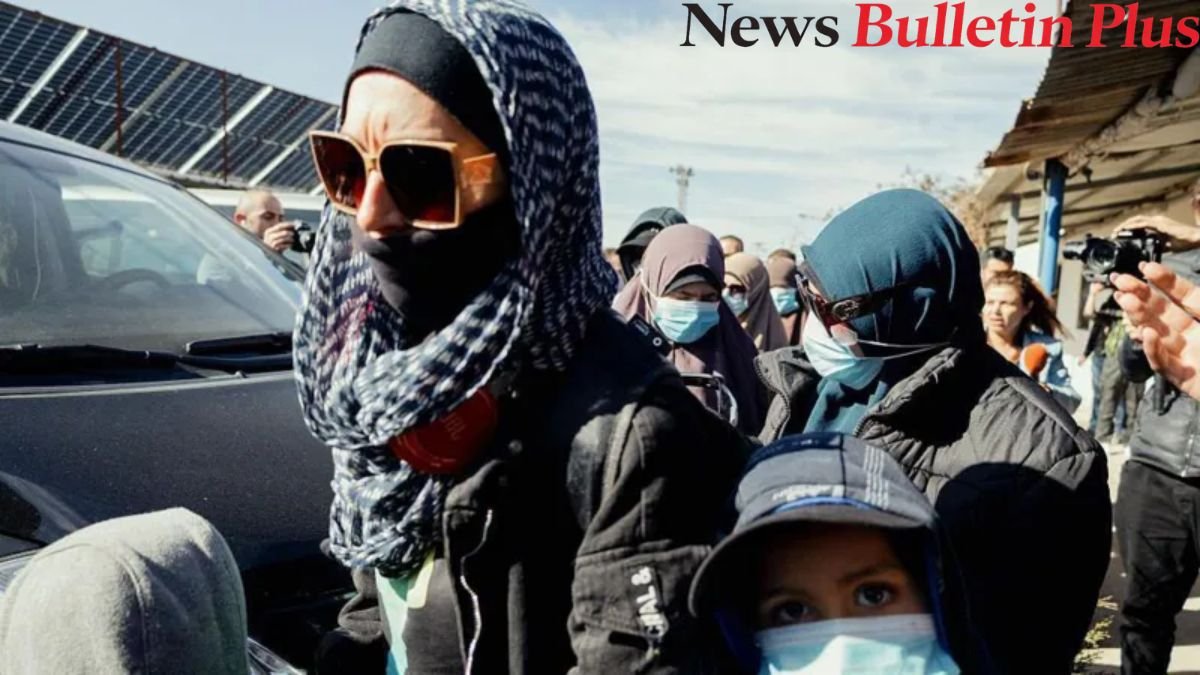
With the return of Islamic State-linked families, Australia has once again placed attention on how governments are handling citizens stranded in Syrian detention camps after years of conflict in the Middle East. Australian authorities confirmed that several women and children connected to former ISIS fighters have been repatriated from northeast Syria in a closely monitored operation coordinated with regional partners.
The latest سوريا Australia repatriation effort reflects a broader international debate over security, rehabilitation, and the humanitarian crisis left behind by the collapse of the Islamic State group. While officials insist the operation was conducted under strict security protocols, the move has already sparked discussion about national safety, deradicalization programs, and the long-term consequences of the Syrian conflict.
What Happened
Australia repatriated a group of women and children from detention camps in northeastern Syria, according to government officials familiar with the operation. The group reportedly included family members associated with former Islamic State fighters.
Officials said the transfer was carried out in cooperation with Kurdish-led authorities who control parts of northeast Syria where thousands of foreign nationals have remained in camps since the territorial defeat of ISIS several years ago.
The Australian government did not publicly release detailed identities due to privacy and security considerations. However, authorities confirmed the returnees would undergo extensive assessments upon arrival.
Security agencies, social services, and law enforcement officials are expected to remain involved in monitoring the individuals.
Analysts say the issue has become increasingly urgent for Western governments as conditions inside Syrian camps continue to deteriorate. Human rights organizations have repeatedly warned about overcrowding, limited healthcare, poor sanitation, and rising extremism inside detention facilities such as al-Hol camp.
The repatriated group forms part of a larger number of Australian citizens from Syria who have either already returned or remain detained in the region.


Background of the Story
The Syrian civil war and the rise of ISIS created one of the largest foreign fighter movements in recent history. Thousands of individuals from dozens of countries traveled to Syria and Iraq during the height of the Islamic State’s territorial control between 2014 and 2019.
After the militant group lost most of its territory, many women and children connected to ISIS fighters were placed in camps administered by Kurdish forces backed by the United States.
For years, governments struggled over whether to bring their citizens home. Some countries refused repatriation efforts because of fears tied to terrorism risks and public backlash. Others argued that leaving citizens in unstable camps could create even greater long-term dangers.
Australia has previously carried out several return operations involving women and children from Syria. The government has maintained that each case is assessed individually with input from intelligence agencies and counterterrorism experts.
Experts on counterterrorism Australia policies note that children born or raised in conflict zones often require years of psychological and social support after exposure to violence and extremist environments.
Data from the United Nations indicates that tens of thousands of people remain inside camps across northeast Syria, many of them children.
Reactions and Statements
Australian officials defended the latest operation, saying the decision balanced humanitarian responsibilities with public safety concerns.
Government representatives stressed that all adults returning to Australia are subject to Australian law and ongoing security checks. In some previous cases, returning individuals faced criminal investigations or monitoring orders.
Security analysts say the challenge for authorities goes beyond prosecution. Rehabilitation, mental health treatment, and community reintegration are expected to play major roles in the process.
One regional security researcher told Australian media that ignoring the issue could create future instability.
“Leaving vulnerable children in indefinite detention camps may increase the risk of future radicalization,” the analyst reportedly said.
At the same time, some critics questioned whether enough safeguards are in place to protect national security Australia concerns.
Public debate around the issue remains deeply divided. Supporters of repatriation argue that democratic nations have legal and moral obligations toward their citizens, especially children. Opponents believe governments risk importing security threats back home.
Human rights organizations, including international aid groups operating in Syria, have repeatedly urged Western nations to accelerate returns from detention camps.
Global and Political Impact
The latest repatriation operation highlights the continuing international fallout from the Islamic State conflict years after the group’s territorial collapse.
Countries including France, Germany, Canada, and the United Kingdom have faced similar political debates over bringing back women and children connected to ISIS fighters. Some nations have expanded repatriation programs, while others continue to move cautiously.
The issue also reflects the broader Middle East conflict aftermath, where unresolved humanitarian and security problems continue to affect global politics.
Regional instability in Syria remains a concern for intelligence agencies worldwide. Analysts warn that overcrowded camps and weak governance conditions could allow extremist networks to regroup or recruit vulnerable individuals.
Meanwhile, Kurdish authorities in northeast Syria have repeatedly called on foreign governments to take responsibility for their citizens. Officials there argue the camps are difficult to manage and create security risks for the region.
According to international monitoring groups, several detention facilities in Syria have experienced violence, escape attempts, and militant activity in recent years.
The latest Australian government response may encourage further debate among allied nations over how to manage remaining foreign detainees.
Expert Analysis
Counterterrorism specialists say repatriation programs are rarely simple. Successful reintegration often depends on long-term monitoring, counseling, education, and social support systems.
Experts also point out that many children in Syrian camps were either born during the conflict or taken there at a young age, meaning they may not have direct involvement in extremist activity.
Australian legal experts note that domestic terrorism laws allow authorities to investigate or prosecute adults suspected of supporting terrorist organizations abroad.
At the same time, security professionals warn that failing to repatriate citizens can create diplomatic and intelligence complications.
One former intelligence official told regional broadcasters that governments increasingly prefer controlled repatriation over leaving citizens in unstable regions without oversight.
Timeline of Events
2014–2015
Large numbers of foreign fighters travel to Syria and Iraq as ISIS expands territory.
2019
The Islamic State loses its final major territorial stronghold in Syria.
2020–2024
Western governments begin gradual Syrian camp repatriation operations involving women and children.
2026
Australia conducts another operation involving ISIS-linked families from northeast Syria.
What Happens Next
Authorities are expected to continue security assessments and support programs for the returned families over the coming months.
Officials have not confirmed whether additional repatriation missions are planned. However, experts believe more Australian-linked individuals may still remain in Syrian camps.
Future policy decisions are likely to depend on evolving security evaluations, political pressure, and humanitarian concerns.
The situation also places renewed focus on how countries manage citizens connected to extremist conflicts once active combat operations have ended.
Why This News Matters
The return of ISIS-linked families from Syria is more than a domestic Australian issue. It reflects a wider global challenge involving security, international law, human rights, and the long shadow of the war against Islamic State.
Governments now face difficult questions. How should countries handle citizens linked to extremist groups? What responsibilities do nations have toward children raised in conflict zones? And can rehabilitation programs reduce future risks?
As the world continues dealing with the consequences of two decades of conflict in the Middle East, the answers to those questions may shape counterterrorism policies for years to come.
Source & Verification
This news topic is also reported by the international news organization BBC. Families Linked to Islamic State Return to Australia From Syria Amid Security Monitoring
Risk Reference:
https://www.bbc.com/news/articles/ce8pp7j8d4mo