US-Iran Nuclear Deal : The long-stalled US Iran Nuclear Deal appears to be edging toward a breakthrough, with Donald Trump suggesting that a renewed agreement with Iran could be within reach. The development comes amid a surge in diplomatic activity involving Pakistan, which is increasingly being viewed as a potential mediator in the high-stakes negotiations.
After years of strained relations, shifting alliances, and rising regional instability, the latest signals from Washington and Tehran have sparked cautious optimism. Yet, major sticking points remain—particularly over the enriched uranium issue and the scope of sanctions relief.
What Happened
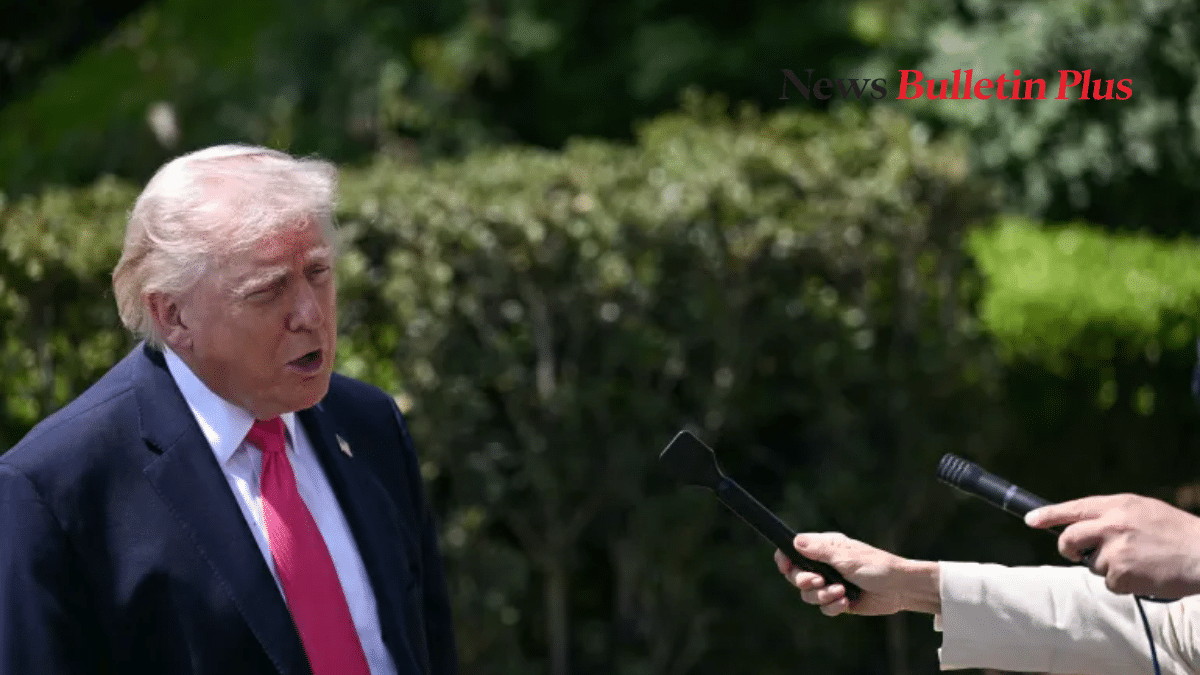
Recent statements from Donald Trump have reignited global attention on the stalled nuclear negotiations. Speaking to reporters, Trump hinted that talks were “moving in the right direction,” raising expectations that a deal could soon be finalized.
At the center of these developments are renewed US Iran negotiations, which have quietly resumed through backchannel diplomacy. According to diplomatic sources cited by international media, Pakistan has played a behind-the-scenes role in facilitating communication between Washington and Tehran.
This phase of the Iran nuclear talks 2026 comes at a critical moment. Regional tensions have been running high, with fears that further escalation could destabilize already fragile geopolitical dynamics across the Middle East.
Background of the Story
The roots of the current crisis trace back to the collapse of the 2015 nuclear agreement, formally known as the Joint Comprehensive Plan of Action (JCPOA). The deal had placed strict limits on Iran’s nuclear program in exchange for sanctions relief.
However, in 2018, the United States withdrew from the agreement under Trump’s administration, triggering a chain reaction. Iran gradually reduced its compliance, ramping up uranium enrichment levels far beyond the limits set in the original deal.
Since then, multiple attempts to revive the agreement have faltered. Disagreements over verification mechanisms, sanctions, and Iran’s nuclear capabilities have kept both sides locked in a diplomatic stalemate.


Now, with global nuclear tensions rising and economic pressures mounting, both countries appear more willing to consider a nuclear deal compromise.
Reactions and Statements
Officials from both sides have adopted a cautious tone.
Iranian representatives have emphasized that any agreement must guarantee long-term sanctions relief and respect for its sovereignty. Meanwhile, US officials insist that Iran must scale back its nuclear program and address concerns over transparency.
Experts believe the involvement of Pakistan mediation US Iran efforts could prove crucial. Islamabad has maintained relatively balanced relations with both Washington and Tehran, positioning it as a credible intermediary.
A senior analyst at the International Crisis Group noted, “Pakistan’s role may not be visible on the surface, but its diplomatic channels could help bridge gaps that have stalled direct negotiations.”
Meanwhile, regional observers are closely watching how this could tie into broader Middle East diplomacy efforts, including discussions around a possible ceasefire agreement Iran might consider in parallel conflicts.
Global or Political Impact
The potential revival of the nuclear deal carries significant implications—not just for the US and Iran, but for the entire global order.
First, it could ease global nuclear tensions, which have escalated amid concerns over nuclear proliferation in multiple regions. According to data from the United Nations, nuclear risks have increased steadily over the past decade, making diplomatic solutions more urgent than ever.
Second, energy markets are paying close attention. Iran holds some of the world’s largest oil reserves, and any easing of sanctions could bring additional supply into global markets, potentially stabilizing prices.
Third, a successful agreement could reshape alliances across the Middle East. Countries like Saudi Arabia and Israel have historically opposed concessions to Iran, and their reactions will likely influence the broader geopolitical landscape.
Key Takeaways
- The Trump Iran deal discussions signal renewed momentum in stalled negotiations
- Pakistan is emerging as a key player in peace talks Pakistan efforts
- Major hurdles remain, especially over the enriched uranium issue
- A deal could significantly impact global energy markets and regional stability
- Diplomatic efforts are intensifying amid rising geopolitical risks
Timeline of Events
- 2015 – Iran and world powers sign the JCPOA nuclear deal
- 2018 – US withdraws from the agreement under Trump
- 2019–2023 – Iran gradually expands its nuclear activities
- 2024–2025 – Multiple failed attempts to revive the deal
- 2026 – Renewed negotiations with possible Pakistan mediation
Expert Analysis
Political analysts suggest that the current round of talks may have a higher chance of success than previous attempts.
Why? Timing.
With economic pressures mounting in Iran and strategic concerns growing in Washington, both sides have incentives to reach a compromise. According to a recent report by Reuters, Iran’s economy has been heavily impacted by prolonged sanctions, while the US faces increasing pressure to prevent further nuclear escalation.
At the same time, Pakistan’s involvement adds a new dimension to the talks. Unlike European intermediaries used in past negotiations, Islamabad brings regional credibility and a unique diplomatic position.
Still, skepticism remains.
“There have been ‘final stages’ before,” one Middle East expert remarked. “Until the details are signed, nothing is guaranteed.”
Related Developments
- Ongoing discussions around a potential ceasefire agreement Iran could align with broader diplomatic efforts
- Increased engagement between regional powers as part of wider Middle East diplomacy
- Renewed focus on nuclear non-proliferation amid rising global nuclear tensions
What Happens Next
The coming weeks are likely to be decisive.
Negotiators are expected to focus on narrowing differences over uranium enrichment limits, inspection protocols, and the timeline for lifting sanctions. Any agreement will need to satisfy both domestic political audiences and international stakeholders.
If a deal is reached, it could mark one of the most significant diplomatic breakthroughs in recent years. If not, the risk of escalation—both political and military—remains very real.
Why This News Matters
This isn’t just another round of diplomacy. The outcome of these talks could shape the future of international security.
A successful agreement would reduce the risk of nuclear conflict, stabilize a volatile region, and potentially open the door to broader cooperation. Failure, on the other hand, could deepen divisions and increase the chances of confrontation.
For now, the world watches closely.
Because when it comes to nuclear negotiations, even small shifts can carry enormous consequences.
Source & Verification
This news topic is also reported by the international news organization Al Jazeera. US-Iran Nuclear Deal Talks Intensify as Trump Signals Agreement Is Close
Risk Reference: