As tensions ripple across the Middle East, Pakistan hosts Iran talks in a move that highlights Islamabad’s careful diplomatic balancing. Positioned between competing global and regional interests, Pakistan is attempting to play a constructive role without alienating key allies.
The talks come at a time when the Iran-related crisis is expanding beyond its immediate borders. For Pakistan, the challenge is clear: engage in dialogue, support de-escalation, and still maintain neutrality in a deeply polarized geopolitical environment.
What Happened
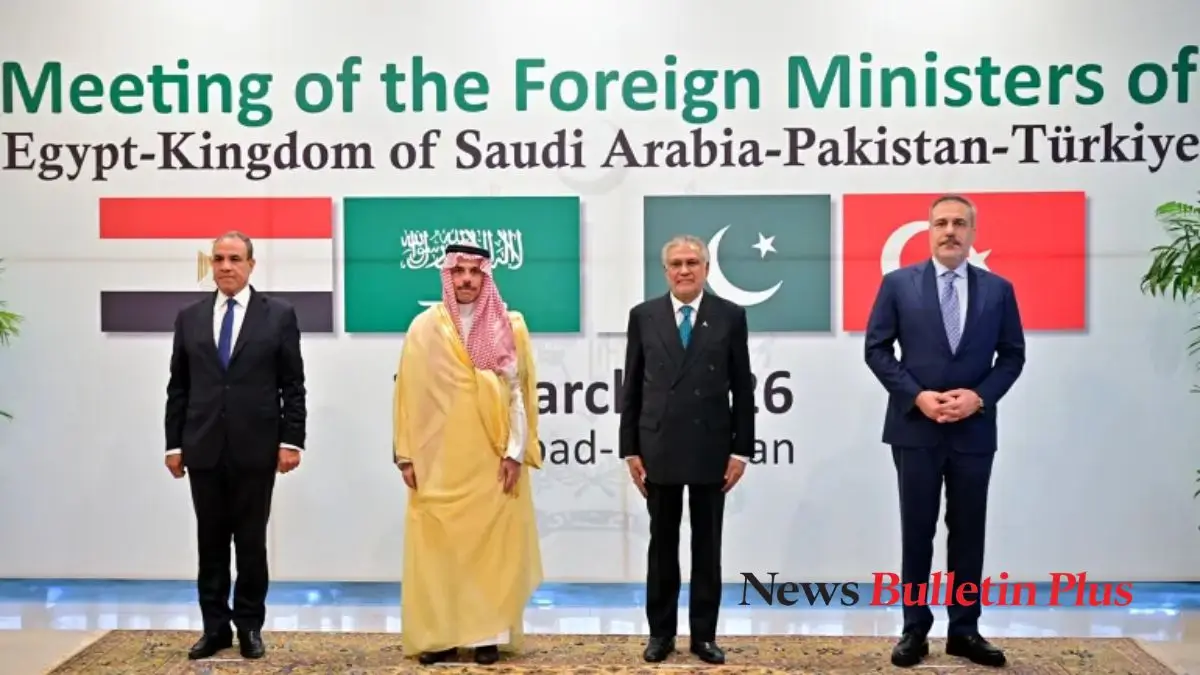
Officials confirmed that Islamabad peace talks involving Iranian representatives are underway, with Pakistan quietly facilitating discussions aimed at reducing tensions tied to the broader Iran conflict.
While details remain limited, diplomatic sources say the discussions are not direct negotiations between Iran and the United States but part of a wider effort linked to Iran US talks Pakistan mediation efforts. Pakistan’s role appears to be that of a bridge — offering a platform for communication rather than dictating outcomes.
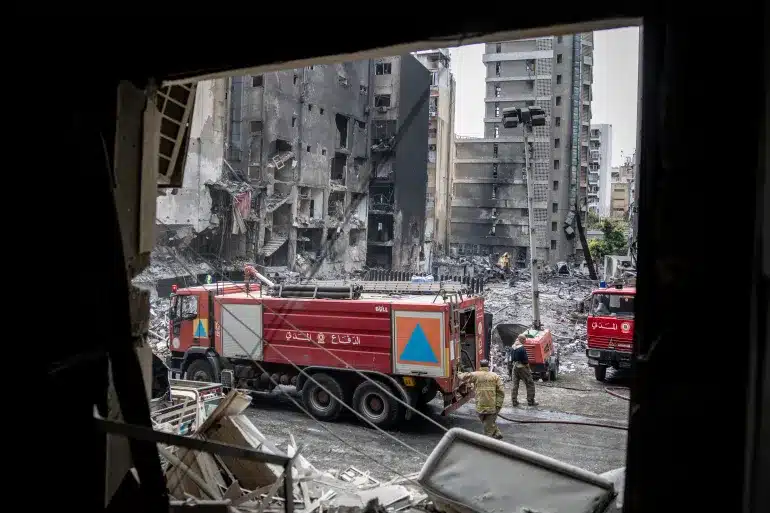
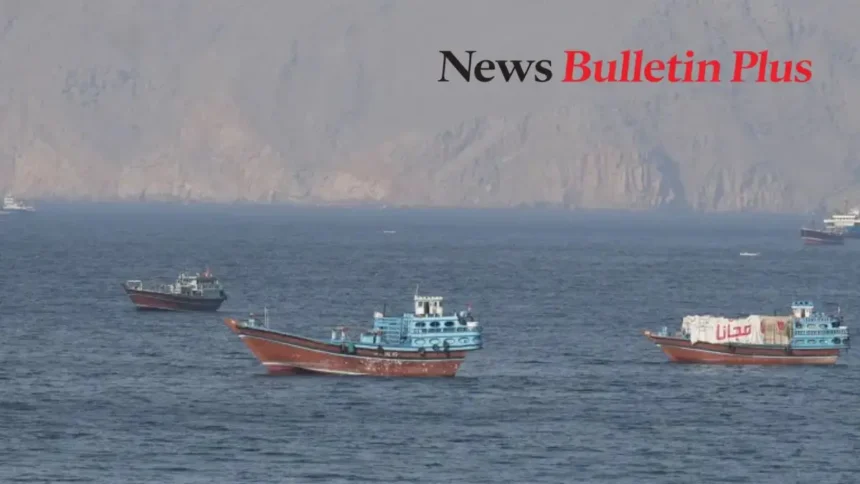
The timing is significant. The region has seen rising friction, including threats to key waterways and increased military posturing. Analysts believe these talks may also touch on security concerns tied to vital shipping lanes, including ongoing Strait of Hormuz discussions.
A senior Pakistani official, speaking on condition of anonymity, said, “Our objective is simple — reduce tensions and encourage dialogue. Stability in the region benefits everyone.”
Background of the Story
Pakistan’s involvement is not happening in isolation. The country has long maintained ties with both Iran and Gulf nations, while also managing a strategic relationship with the United States.
This delicate position defines Pakistan diplomacy Iran war efforts. Islamabad has historically avoided taking sides in regional rivalries, instead promoting dialogue and restraint.


The stakes are high. Iran’s ongoing tensions with Western powers, along with its regional engagements, have increased the risk of broader conflict. According to data from the United Nations, even limited disruptions in the Gulf region can impact global energy supplies, given that nearly a fifth of the world’s oil passes through nearby maritime routes.
In this context, Pakistan’s outreach reflects a wider pattern of Middle East diplomacy Pakistan has pursued over the years — one that prioritizes mediation over confrontation.
Timeline of Events
- Early 2026: Rising tensions linked to Iran spark regional concern
- Mid-March 2026: Increased diplomatic outreach by multiple countries
- Late March 2026: Pakistan begins hosting Iranian representatives
- March 29, 2026: Talks gain international attention as mediation efforts expand
Reactions and Statements
International reactions have been cautiously positive. Observers see Pakistan’s initiative as a constructive step, though expectations remain measured.
A Western diplomat quoted by Reuters noted, “Pakistan has channels with multiple stakeholders. That gives it a unique position, but also limits how far it can push any one side.”
Within Pakistan, officials emphasize their Pakistan neutral role Iran conflict stance. Public statements have consistently highlighted the importance of dialogue, regional stability, and respect for sovereignty.
Iranian officials, for their part, have welcomed diplomatic engagement but have not publicly outlined specific outcomes from the talks.
Experts say this ambiguity is intentional. “Diplomacy often works best quietly,” said a regional analyst. “The fact that talks are happening at all is significant.”
Global or Political Impact
The implications of these talks extend far beyond Islamabad. If successful, even modest progress could ease tensions affecting global energy markets and shipping routes.
Ongoing concerns about maritime security — especially around the Strait of Hormuz — have already raised alarm among international businesses. Any breakthrough in regional peace negotiations could help stabilize these concerns.
On the other hand, failure to achieve progress may reinforce divisions and increase the likelihood of escalation.
There is also a broader geopolitical dimension. Pakistan’s role could strengthen its position as a diplomatic actor, particularly in an era where middle powers are increasingly stepping into mediation roles.
Expert Analysis
Analysts say Pakistan’s approach reflects both opportunity and risk.
According to experts at the International Crisis Group, countries like Pakistan can play a stabilizing role precisely because they are not seen as primary actors in the conflict. However, this also means their influence has limits.
A political scientist based in Islamabad explained, “Pakistan is walking a tightrope. It wants to contribute to peace, but it cannot afford to upset its relationships with Gulf states or Western partners.”
This balancing act is not new, but the stakes are arguably higher now than in previous years.
Related Developments
- Increased diplomatic activity across the Middle East
- Rising insurance costs for oil shipments due to regional uncertainty
- Continued backchannel communications between global powers
These developments underline the urgency of dialogue and the fragile nature of current geopolitical conditions.
What Happens Next
Much depends on whether these talks can lead to concrete steps. Confidence-building measures, such as reduced military activity or agreements on maritime security, could be early indicators of progress.
Pakistan is expected to continue facilitating discussions, though officials are likely to keep a low profile to avoid political backlash.
At the same time, global attention will remain focused on how the broader Iran situation evolves. Any escalation could quickly overshadow diplomatic efforts.
Why This News Matters
At first glance, these talks may seem like routine diplomacy. But in reality, they carry significant weight.
The Middle East remains a critical hub for global energy and trade. Even small shifts in tensions can have worldwide consequences — from fuel prices to supply chains.
Pakistan’s involvement highlights a growing trend where regional players take on greater responsibility in managing conflicts. It also shows how diplomacy, even behind closed doors, can shape outcomes in meaningful ways.
Key Takeaways
- Pakistan is hosting talks involving Iranian representatives
- Islamabad is positioning itself as a neutral mediator
- Discussions may include maritime security and regional tensions
- Global markets are closely watching developments
- Diplomatic efforts could influence broader geopolitical stability
Conclusion
As Pakistan hosts Iran talks, the country finds itself navigating one of the most complex diplomatic challenges in recent years. Its effort to maintain balance while encouraging dialogue reflects both its strategic importance and its limitations.
Whether these talks lead to tangible outcomes remains uncertain. But one thing is clear: in a region defined by tension and mistrust, even cautious steps toward conversation can make a difference.
For now, Islamabad’s quiet diplomacy is offering a rare window for dialogue — and the world is paying attention.
Source & Verification
This news topic is also reported by the international news organization Al Jazeera. Pakistan Hosts Iran Talks While Walking a Diplomatic Tightrope
Risk Reference: