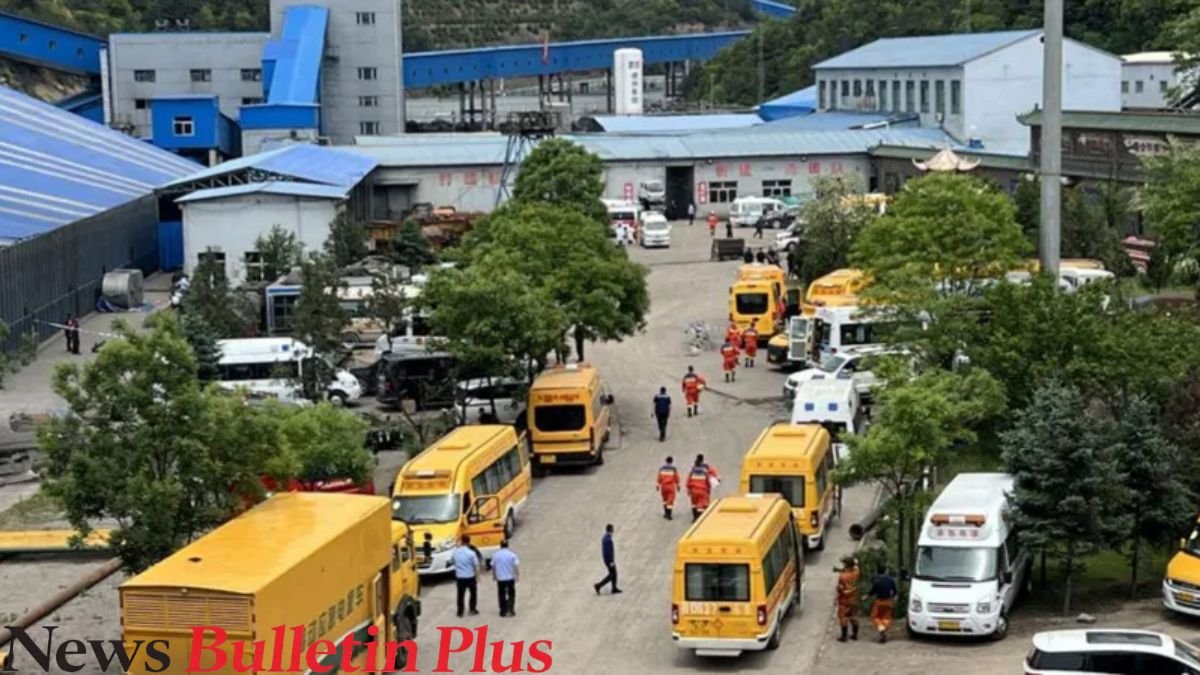
Chinese coal mine explosion A devastating Chinese coal mine explosion in northern China has left at least 90 people dead, according to reports carried by state broadcasters and regional authorities. The blast, described as one of the country’s deadliest mining incidents in recent years, has once again drawn attention to ongoing mining safety concerns in the world’s largest coal-producing nation
- What Happened in the Chinese Coal Mine Explosion?
- Timeline of Events
- Background of the Story
- Mining Safety Concerns Return to the Spotlight
- Reactions and Statements
- Expert Analysis: Why Coal Mine Deaths Still Happen
- Global and Political Impact
- Related Developments
- What Happens Next?
- Why This News Matters
- Source & Verification
The explosion reportedly tore through an underground mining site during working hours, trapping dozens of miners beneath the surface. Rescue crews worked through the night in difficult conditions as families gathered outside the mine waiting for updates. Officials have launched an investigation into what caused the disaster, while national leaders called for urgent safety inspections across the mining sector.
The incident quickly became major China breaking news, dominating domestic headlines and sparking renewed debate over industrial oversight and worker protection.
What Happened in the Chinese Coal Mine Explosion?
According to reports from state media China, the explosion occurred at a coal mine in a major mining region known for heavy industrial activity. Initial findings suggest a gas-related blast may have triggered the accident, though authorities have not yet confirmed the exact cause.
Emergency response teams rushed to the site within hours. Rescue workers wearing oxygen equipment entered damaged underground tunnels while medical staff established temporary treatment centers nearby. Officials said several miners were rescued alive, but many others remained trapped after sections of the mine collapsed.
Witnesses described scenes of chaos shortly after the explosion. Thick smoke reportedly rose from the mine entrance while ambulances and fire crews arrived in large numbers.
The scale of the tragedy has shocked many across the country. Analysts say the latest China mining disaster could become one of the worst industrial accidents China has seen in the past decade.
Timeline of Events
Early Morning
Miners began routine operations inside the coal facility.


Midday Explosion
A powerful underground blast was reported, followed by tunnel collapses and communication failures.
Rescue Operations Begin
Emergency teams from nearby provinces were dispatched to the site.
Casualty Numbers Rise
Authorities later confirmed rising death toll figures as rescue crews recovered bodies from damaged shafts.
Investigation Ordered
Chinese regulators announced a formal inquiry into possible safety violations and operational failures.
Background of the Story
China remains heavily dependent on coal despite efforts to expand renewable energy production. Coal powers large parts of the country’s manufacturing industry and electricity grid. Because of this, thousands of miners continue to work in deep underground facilities across several provinces.
Over the years, China has improved mining regulations and shut down smaller unsafe operations. Even so, accidents still happen. Experts say aging infrastructure, poor ventilation systems, and pressure to maintain production targets continue to create dangerous working environments.
Data from industry reports show that fatalities in Chinese mines have decreased significantly compared to the early 2000s. However, large-scale accidents still occur from time to time, particularly in remote industrial regions where enforcement standards may vary.
This latest coal mine tragedy has renewed public concern about whether enough is being done to protect workers in high-risk industries.
Mining Safety Concerns Return to the Spotlight
Safety specialists say underground coal mining remains one of the world’s most dangerous professions. Methane gas explosions, flooding, structural collapse, and equipment failures are among the most common threats miners face.
Following the deadly blast, several labor and industrial experts called for stricter inspections and stronger accountability measures. Some analysts believe production pressure can sometimes encourage companies to ignore warning signs or delay maintenance work.
A Beijing-based industrial safety researcher told local media that modern monitoring systems can reduce risk, but only if companies consistently follow safety procedures.
The latest industrial accident China has also raised questions about emergency preparedness. Rescue teams reportedly faced unstable tunnels and limited visibility while searching for trapped workers.
In recent years, Chinese authorities have repeatedly promised tougher safety enforcement after similar disasters. Yet tragedies continue to occur, especially in coal-rich regions where mining remains economically important.
Reactions and Statements
Chinese officials expressed condolences to the families of the victims and ordered immediate rescue efforts. National authorities also instructed regional governments to conduct broader inspections of mining operations.
Local officials said every effort was being made to locate missing workers. Hospitals in nearby cities were placed on emergency alert to receive injured miners.
Meanwhile, public reaction online has been intense. Social media users questioned whether earlier warnings about mine conditions had been ignored. Others called for stronger punishment if negligence is discovered during the investigation.
International observers and labor organizations also reacted to the incident. Some workplace safety advocates noted that while China has improved industrial standards over the years, large-scale mining accidents continue to expose serious gaps in enforcement.
Expert Analysis: Why Coal Mine Deaths Still Happen
Experts say reducing coal mine deaths China requires more than updated regulations. Enforcement at the local level remains a major challenge.
Energy analysts point out that China’s growing electricity demand places enormous pressure on mining operations to maintain output. During periods of high demand, mines may operate longer shifts or increase production speed, potentially increasing risks.
Industrial historians also note that rapid economic growth has historically come with workplace safety trade-offs in many developing economies. China has invested heavily in safer mining technology, but implementation can differ from one region to another.
Some researchers believe artificial intelligence monitoring systems and automated mining equipment could eventually reduce human exposure underground. However, widespread adoption will likely take years.
Global and Political Impact
The explosion has again highlighted China’s complicated relationship with coal. While the country is investing billions into renewable energy and electric vehicles, coal still remains central to its energy system.
International climate groups argue that continued reliance on coal not only affects emissions targets but also keeps workers exposed to dangerous conditions. At the same time, Chinese officials say coal remains necessary for energy stability and industrial growth.
Global commodity markets are also watching developments closely. Major mining disruptions in China can influence energy prices and industrial supply chains worldwide.
Political analysts say the government may now face increased pressure to show stronger oversight after the deadly explosion news spread internationally.
Related Developments
The incident follows several recent industrial accidents across Asia involving mining and heavy manufacturing operations. Safety experts say many countries are facing similar challenges as industries expand production while attempting to modernize aging infrastructure.
China previously introduced nationwide safety campaigns after earlier mining disasters, leading to the closure of hundreds of smaller mines. Still, experts warn that maintaining consistent enforcement remains difficult in large industrial networks.
What Happens Next?
Authorities are expected to continue recovery operations over the coming days while investigators examine ventilation systems, gas monitoring records, and equipment maintenance logs.
Families of victims are also expected to receive compensation packages under Chinese labor and mining regulations. Officials have not yet confirmed whether criminal negligence charges could follow.
Meanwhile, mining companies across the country may face surprise inspections as regulators respond to public concern.
Why This News Matters
The latest Chinese coal mine explosion is more than a local tragedy. It reflects the ongoing risks tied to global energy production and industrial expansion.
For many readers around the world, the disaster is a reminder that behind the electricity powering factories and cities are workers operating in extremely dangerous conditions. Despite advances in technology and regulation, mining accidents continue to claim lives.
As investigations continue, attention will remain focused on whether this disaster leads to lasting reforms or becomes another painful chapter in the long history of mining accidents in China.
Source & Verification
This news topic is also reported by the international news organization BBC. Deadly Chinese Coal Mine Explosion Leaves 90 Dead as Rescue Teams Search for Survivors
Risk Reference:
https://www.bbc.com/news/articles/c5y0ve18qlko