Rubio Visits India. The latest round of Rubio India energy talks has drawn global attention as Washington and New Delhi look to strengthen cooperation during a period of rising uncertainty in the international oil market. With tensions surrounding Iran affecting crude supplies and shipping routes, both countries are trying to secure stable energy flows while deepening economic and strategic partnerships.
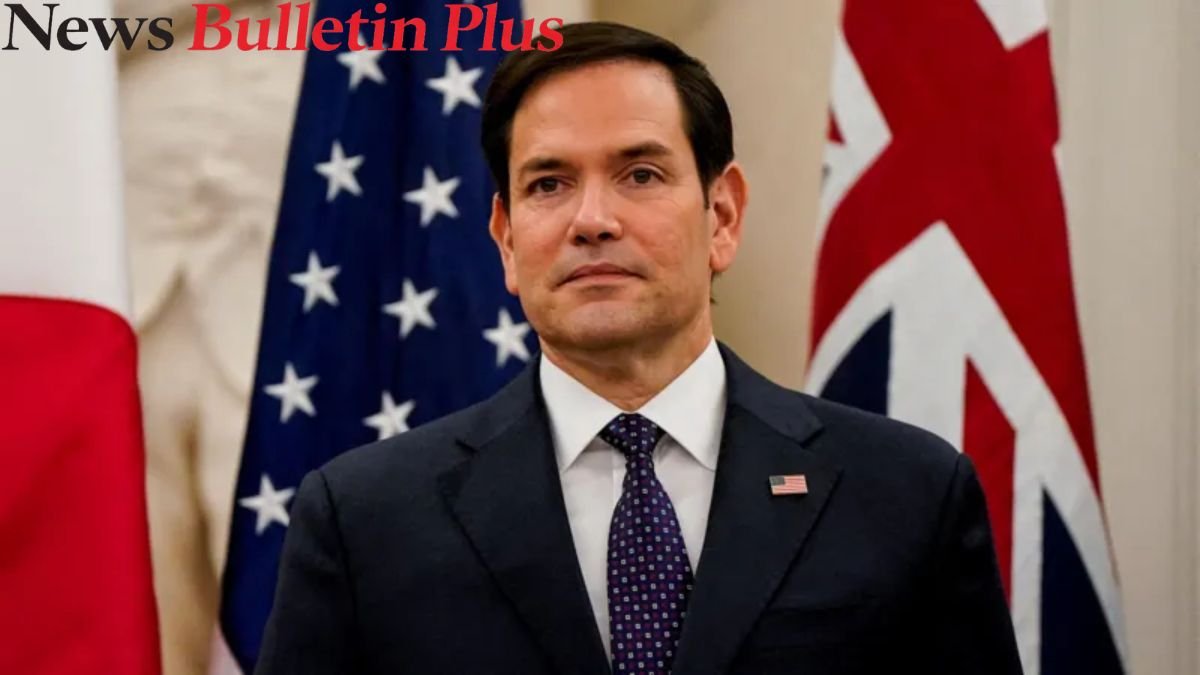
US Secretary of State Marco Rubio arrived in India this week for high-level meetings focused on energy security, trade, and regional stability. Analysts say the visit comes at a critical moment as governments across Asia monitor the growing effects of the Rubio Visits India on fuel prices and supply chains.
The discussions are also being closely watched by investors and policymakers who fear further disruptions in the global oil market could increase inflation pressures worldwide.
What Happened
During the meetings in New Delhi, Rubio and Indian officials discussed expanding American crude oil and liquefied natural gas shipments to India. The talks centered on increasing long-term cooperation in energy infrastructure and ensuring reliable supplies as geopolitical tensions continue to affect the Middle East.
Officials familiar with the negotiations said the United States wants to position itself as a more dependable energy partner for India at a time when concerns over Iranian exports are growing. The discussions reportedly included shipping security, refinery cooperation, and future investment opportunities.
The visit highlights growing interest in US energy exports to India, especially as India seeks to reduce risks linked to unstable suppliers. India is currently one of the world’s largest energy consumers, importing more than 80% of its crude oil needs, according to data from the International Energy Agency.
Rubio’s trip also included broader economic discussions tied to technology, manufacturing, and regional security cooperation. However, energy remained the dominant topic throughout the visit.
Background of the Story
The current pressure on oil markets follows renewed instability connected to Iran and shipping concerns in key trade routes. Several countries have warned that any major disruption in the Gulf region could affect fuel availability and transportation costs worldwide.


For India, the situation is particularly sensitive. The country has worked for years to balance affordable oil imports with diplomatic relationships across competing global powers. Indian refiners have historically purchased discounted crude from multiple suppliers to protect domestic fuel prices.
But the ongoing India energy crisis fears have forced policymakers to look for alternatives that offer greater predictability. Rising demand from India’s expanding economy has added another layer of urgency.
Energy experts say Washington sees an opportunity to strengthen strategic ties with India through reliable oil and gas partnerships. The United States has steadily increased exports of liquefied natural gas and crude oil to Asian markets over the past decade, reshaping parts of the global energy trade.
According to analysts at the Center for Strategic and International Studies, stronger energy cooperation between the two countries could also reduce market volatility during future supply disruptions.
Rubio Visit Signals Deeper US-India Relations
The broader significance of the trip goes beyond oil shipments. The Marco Rubio India visit reflects continuing efforts to deepen diplomatic and economic engagement between the two democracies.
Over recent years, US-India relations have expanded across defense, technology, semiconductor production, and trade. Energy has now become another major pillar of cooperation.
Indian officials have repeatedly emphasized the need for diversified supply chains after global shocks caused by the pandemic, the Russia-Ukraine war, and recent Middle East tensions. American energy companies are also eager to secure long-term buyers in Asia as global demand patterns shift.
Political observers note that both governments appear increasingly aligned on regional security concerns and economic cooperation. While differences remain on some foreign policy matters, the two sides have maintained steady communication on critical global issues.
One senior energy consultant based in Singapore described the discussions as “part of a longer strategic transition rather than a short-term oil deal.”
Reactions and Statements
Officials from both countries described the meetings as productive. Indian energy representatives stressed the importance of stable and affordable fuel imports, especially as domestic demand continues to climb.
Rubio reportedly highlighted America’s ability to support India’s energy needs through expanded exports and investment cooperation. He also emphasized protecting supply chains from geopolitical instability.
Meanwhile, market analysts reacted cautiously. Oil traders are monitoring whether the talks will produce long-term agreements or simply signal political intent.
Some economists believe closer cooperation could help India reduce exposure to sudden supply shocks. Others warn that global crude prices remain vulnerable to developments involving Iran and shipping routes in the Gulf.
Concerns over oil supply have already affected several importing nations in Asia and Europe. Freight insurance costs and shipping rates have also increased in some regions over recent months.
Global Energy Market Watching Closely
The impact of the meetings could extend well beyond Washington and New Delhi. The global energy market is currently facing a complicated mix of geopolitical risk, production uncertainty, and fluctuating demand.
If tensions involving Iran continue, experts say countries may increasingly compete for alternative suppliers. That could place additional pressure on prices and create fresh challenges for emerging economies already struggling with inflation.
India’s growing role in global energy consumption makes its policy choices especially important. The country is expected to remain one of the fastest-growing oil demand centers over the next decade.
At the same time, the United States continues to expand its position as a major energy exporter. Increased cooperation between the two countries may influence future trade flows across Asia.
The meetings also come amid wider India-US trade talks aimed at boosting bilateral commerce and investment. Trade officials from both sides are reportedly exploring ways to reduce barriers in sectors including clean energy, digital services, and manufacturing.
Key Takeaways
- Rubio held high-level energy and trade discussions in India.
- The meetings focused heavily on securing stable oil and gas supplies.
- Rising fears linked to the Iran situation continue to affect global markets.
- India is seeking diversified energy partnerships to reduce supply risks.
- The United States is pushing for stronger long-term energy cooperation with India.
Timeline of Events
Rising Iran Tensions
Concerns over regional instability increase pressure on global oil supplies and shipping routes.
Energy Market Reactions
Fuel prices and freight costs fluctuate as traders monitor geopolitical developments.
Rubio Arrives in India
High-level discussions begin on energy security, trade, and strategic cooperation.
Ongoing Negotiations
Officials continue talks on future energy agreements and investment opportunities.
Expert Analysis
Energy economists say the visit reflects a wider shift in global alliances tied to energy security. Countries are no longer focused only on price. Reliability and political stability are becoming equally important.
Several analysts believe India may continue balancing imports from multiple suppliers while increasing purchases from trusted strategic partners like the United States.
Others point out that energy diplomacy is now deeply connected to foreign policy. Stronger energy cooperation often creates broader economic and military partnerships over time.
What Happens Next
The immediate outcome of the meetings may become clearer in the coming weeks as officials discuss potential supply agreements and investment plans.
Observers will also watch whether the two governments announce new trade measures or joint energy projects. Future developments in the Middle East could heavily influence those decisions.
If oil market instability continues, India may accelerate efforts to diversify suppliers while also investing more aggressively in renewable energy and domestic infrastructure.
Why This News Matters
Rubio’s India visit arrives at a moment when global energy security has become a central political and economic issue. For India, securing stable fuel imports is essential to supporting economic growth and controlling inflation.
For the United States, closer energy cooperation with India strengthens its influence in one of the world’s fastest-growing markets.
The discussions also show how deeply geopolitics and energy are now connected. A disruption in one region can quickly affect fuel prices, trade flows, and diplomatic relationships across the world.
As the Iran situation continues to create uncertainty, governments are racing to secure dependable partnerships. The latest talks between Washington and New Delhi suggest that energy cooperation could become one of the defining features of their relationship in the years ahead.
Source & Verification
This news topic is also reported by the international news organization BBC. Rubio Visits India to Boost Energy Ties Amid Iran Oil Crisis
Risk Reference:
https://www.bbc.com/news/articles/c87qrwyyrn2o