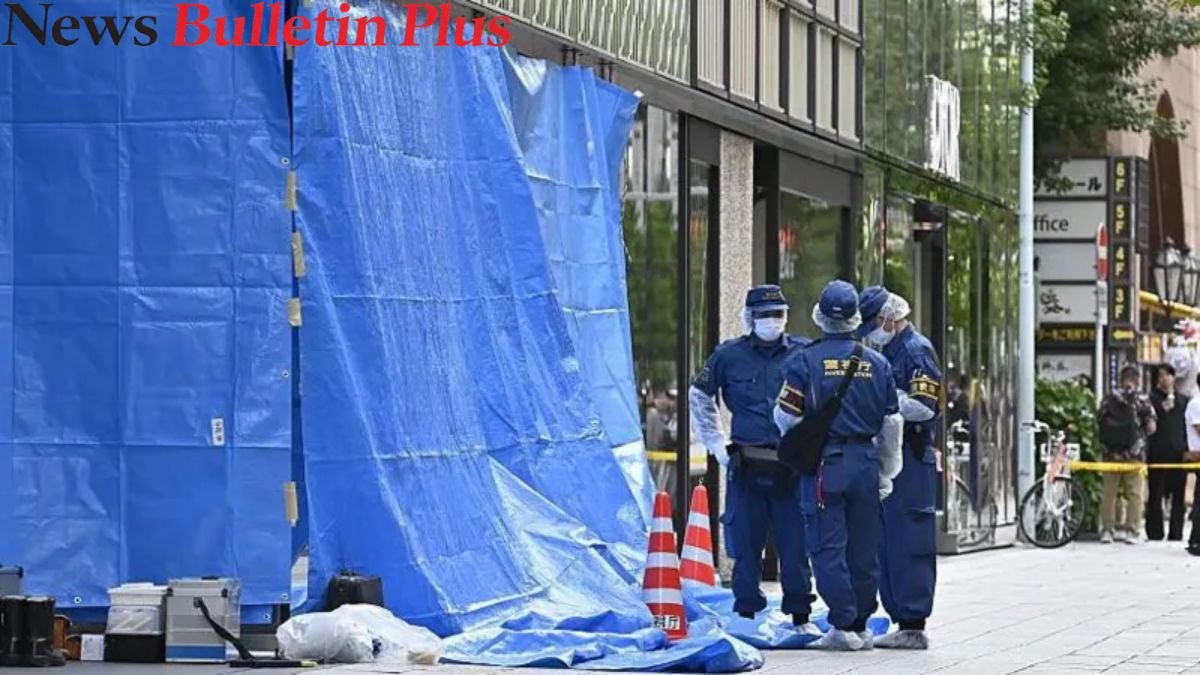
A sudden and unexplained odor at a busy shopping complex in Tokyo triggered panic on Sunday after dozens of people reported feeling unwell, leading emergency crews to rush victims to nearby medical facilities. The incident quickly became a major public concern in Japan, with authorities launching an investigation into what may have caused the unusual smell.
- What Happened During the Tokyo Mall Emergency?
- Investigation Focuses on Possible Chemical Exposure
- Background of the Story
- Reactions and Statements from Officials
- Timeline of Events
- Initial Reports
- Emergency Services Deployed
- Evacuation Measures
- Hospitalizations Confirmed
- Investigation Continues
- Expert Analysis on the Public Safety Incident
- Global and Political Impact
- What Happens Next?
- Why This News Matters
- Source & Verification
The Strong Smell at Tokyo Mall Sends Multiple People to Hospital incident unfolded at a commercial center in the Japanese capital, where visitors and workers complained of breathing discomfort, dizziness, and nausea. Emergency responders sealed parts of the area while police and fire officials examined whether chemicals or hazardous substances were involved.
The event has now become one of the most talked-about cases in recent Tokyo breaking news, especially as officials continue searching for answers.
What Happened During the Tokyo Mall Emergency?
According to local authorities and media reports, the situation began when people inside the mall noticed what witnesses described as a “strong chemical-like odor” spreading through parts of the building. Several shoppers reportedly became sick within minutes.
Tokyo Fire Department teams, ambulances, and police units were dispatched to the scene as part of a large-scale Emergency response Tokyo operation. Officials confirmed that multiple people were transported to hospitals for medical evaluation.
Early reports suggested that at least 19 individuals required hospital treatment after the incident. Most were believed to be conscious, though some experienced symptoms linked to respiratory irritation and possible exposure to airborne substances.
Videos circulating online showed emergency vehicles lined outside the shopping center while concerned visitors evacuated the premises.
Authorities temporarily restricted access to certain areas of the building as investigators searched for the source of the odor.


Investigation Focuses on Possible Chemical Exposure
Officials have not yet confirmed the exact cause behind the chemical smell Tokyo incident. Investigators are examining several possibilities, including accidental chemical leakage, equipment malfunction, or cleaning-related fumes.
Experts in hazardous materials were reportedly called in to inspect ventilation systems and nearby facilities.
Japanese emergency officials are known for responding quickly to suspected toxic exposure cases, especially in densely populated urban areas like Tokyo. Public transportation hubs, malls, and office complexes are routinely monitored because even a small airborne incident can affect large numbers of people within minutes.
One emergency management specialist quoted by local broadcasters said authorities would likely conduct air-quality testing before reopening all sections of the mall.
The expert noted that even non-lethal chemical odors can create serious health concerns in crowded indoor spaces where ventilation is limited.
Background of the Story
Japan has experienced several high-profile public safety scares over the years involving suspicious odors, gas leaks, or airborne irritants in urban centers. While many incidents turn out to be minor, authorities generally treat them seriously because of the country’s strict disaster-response culture.
The latest shopping mall incident Japan also highlights how sensitive crowded commercial spaces can be during emergency situations. Tokyo’s malls attract thousands of visitors daily, including tourists, office workers, and families.
Public concern increased further because the source of the smell was not immediately identified.
Analysts say uncertainty during such emergencies often fuels anxiety among the public, particularly in major cities where evacuation can become difficult during peak hours.
Reactions and Statements from Officials
Authorities urged residents to remain calm while the investigation continues.
Tokyo police and fire officials said there was no immediate indication of a large-scale toxic attack, though they emphasized that all possibilities were being examined carefully.
Local health officials also encouraged anyone who visited the mall during the incident and later experienced symptoms such as dizziness, headaches, or breathing problems to seek medical attention.
Witnesses described confusion inside the building as alarms sounded and people hurried toward exits.
One shopper told Japanese media that the smell was “sharp and irritating,” adding that several people around them began coughing almost immediately.
Another witness said emergency responders arrived “within minutes,” helping evacuate visitors floor by floor.
The fast-moving response drew praise online, with many social media users commending Japan’s emergency preparedness systems.
Timeline of Events
Initial Reports
Visitors inside the mall begin reporting a strange odor and breathing discomfort.
Emergency Services Deployed
Firefighters, police officers, and ambulances arrive at the scene.
Evacuation Measures
Parts of the building are cleared as investigators inspect the area.
Hospitalizations Confirmed
Multiple victims receive treatment in nearby hospitals.
Investigation Continues
Authorities search for the exact source behind the smell.
Expert Analysis on the Public Safety Incident
Public safety specialists say incidents involving unexplained odors are difficult to assess in the early stag es because symptoms may range from mild irritation to severe respiratory reactions.
Indoor air-quality experts note that modern shopping complexes contain extensive ventilation networks, refrigeration systems, cleaning chemicals, and electrical equipment — all potential sources of accidental fumes.
The incident also underscores the importance of rapid emergency communication.
In Japan, evacuation drills and disaster-preparedness education are deeply integrated into urban planning. Experts say this often helps reduce casualties during sudden emergencies.
Still, the latest public safety incident has raised questions about whether commercial buildings should strengthen air-monitoring systems capable of detecting hazardous substances more quickly.
Global and Political Impact
While the event does not currently appear linked to terrorism or deliberate sabotage, the case has attracted international attention because of Tokyo’s global profile and Japan’s reputation for public safety.
Major incidents in crowded locations often trigger wider discussions about urban emergency readiness, especially ahead of large international gatherings and tourism seasons.
Travel analysts say foreign visitors closely watch how Japanese authorities manage emergencies because Tokyo remains one of the world’s most visited metropolitan destinations.
The incident may also prompt reviews of safety procedures in large shopping centers across Asia.
What Happens Next?
Authorities are expected to release additional findings after environmental testing and medical assessments are completed.
Investigators will likely examine surveillance footage, building maintenance records, and ventilation systems to determine whether the odor came from inside the mall or an external source.
Officials may also conduct interviews with employees, maintenance contractors, and witnesses who first noticed the smell.
Until the investigation concludes, some sections of the building could remain under restricted access.
Why This News Matters
The people hospitalized in Japan case serves as a reminder of how quickly routine public spaces can turn into emergency zones.
Even when incidents do not result in fatalities, unexplained odors and possible chemical exposure events create fear, confusion, and health concerns for the public.
For authorities, the priority now is identifying the source, reassuring residents, and preventing similar incidents in the future.
As Tokyo continues to balance dense urban activity with strict public safety standards, the outcome of this investigation could influence how malls and commercial facilities across Japan handle emergency preparedness moving forward.
Source & Verification
This news topic is also reported by the international news organization BBC. Strong Smell at Tokyo Mall Sends Multiple People to Hospital Amid Major Emergency Response.
Risk Reference:
https://www.bbc.com/news/articles/cevpp983kmzo