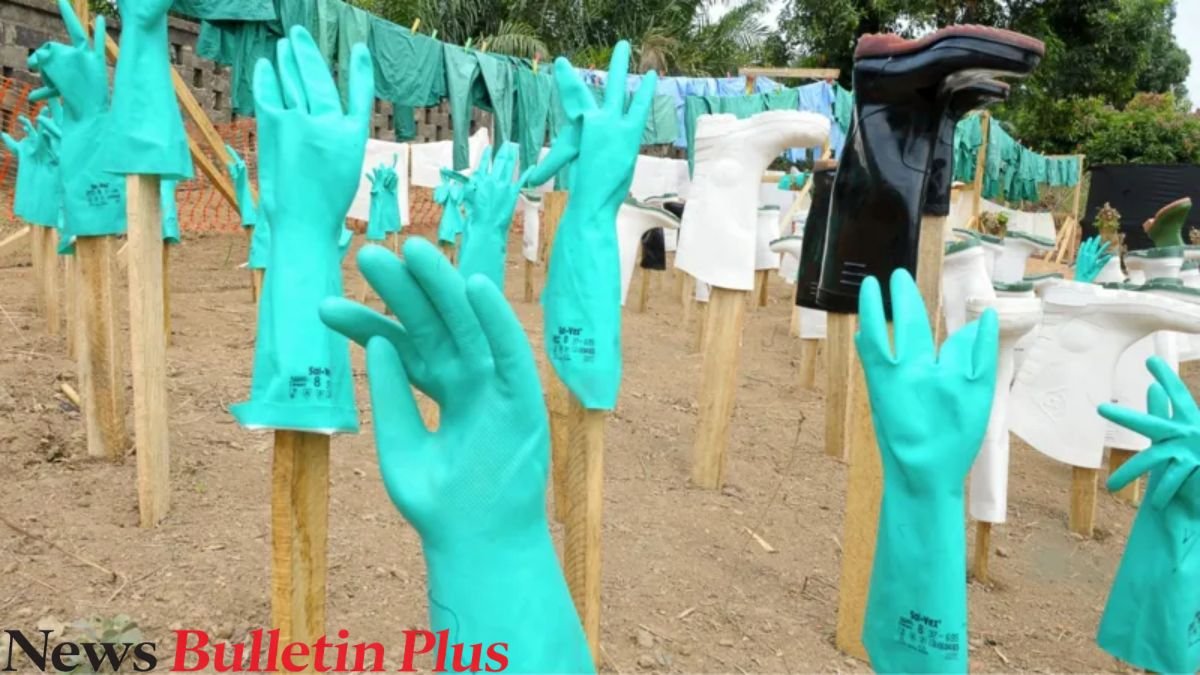
Lessons From Ebola The voices of survivors and frontline medical workers are once again drawing global attention as health officials review what worked — and what failed — during past Ebola emergencies in Africa. From overwhelmed hospitals to community-led awareness campaigns, experts say the experiences gained during previous outbreaks could help countries react faster to future health threats.
The discussion comes as international agencies continue strengthening systems designed to prevent another major epidemic. Public health officials believe the lessons learned from Ebola extend far beyond one disease. They now influence broader strategies for pandemic preparedness, vaccination programs, and emergency medical coordination worldwide.
Health researchers say the biggest takeaway from past crises is simple: local communities often become the first line of defense long before outside aid arrives.
The story of survivors has also become central to modern outbreak planning. Many who lived through the virus are now helping train medical staff, educate villages, and fight misinformation surrounding infectious diseases.
What Happened
Recent reports and expert interviews highlighted how Ebola survivor lessons continue shaping global public health planning years after the deadliest outbreaks in West and Central Africa.
According to international health agencies, the Ebola virus exposed weaknesses in healthcare systems that struggled with limited staffing, poor infrastructure, and delayed emergency coordination. At the height of earlier outbreaks, treatment centers ran out of protective equipment while fear spread rapidly across affected communities.
The World Health Organization and regional health agencies have since expanded surveillance systems, emergency laboratories, and rapid response teams in vulnerable regions. These efforts are part of broader WHO Ebola efforts aimed at reducing the risk of another uncontrolled epidemic.
Health specialists say one of the most effective changes has been the inclusion of survivors in awareness campaigns. Survivors often carry credibility within communities that outside officials sometimes lack. Their firsthand experiences help explain symptoms, encourage early treatment, and reduce stigma around infected patients.


Medical workers involved in previous Ebola treatment missions say trust became just as important as medicine during the crisis.
“In several communities, fear of authorities delayed treatment,” one African infectious disease researcher explained in a recent health forum. “When survivors spoke publicly, people listened differently.”
The latest discussions also connect Ebola preparedness to broader disease monitoring systems now being used for other viruses across Africa and beyond.
Background of the Story
Ebola first gained worldwide attention during the 2014-2016 West Africa epidemic, which killed more than 11,000 people, according to World Health Organization data. Countries including Guinea, Liberia, and Sierra Leone were hit especially hard.
The outbreak overwhelmed already fragile healthcare systems. Hospitals lacked isolation wards. Many clinics closed temporarily after healthcare workers became infected themselves.
That period changed how governments and aid organizations approach disease outbreak management today.
Since then, smaller Ebola outbreaks have appeared periodically in countries such as the Democratic Republic of Congo and Uganda. While these outbreaks were serious, experts say response times improved compared with the earlier West African crisis.
Vaccination campaigns, faster laboratory testing, and community outreach helped limit transmission in several cases.
Still, experts warn that challenges remain.
Remote villages can be difficult to access. Conflict zones complicate medical operations. Rumors spread quickly on social media, sometimes discouraging people from seeking treatment.
For survivors, the impact often continues long after recovery. Many report ongoing physical and psychological complications, including joint pain, vision problems, and trauma linked to social isolation during outbreaks.
One widely shared Lessons From Ebola involved former patients returning to treatment centers to volunteer beside doctors and nurses. Aid organizations say these individuals helped frightened families understand quarantine measures and encouraged cooperation with health authorities.
Their role has become increasingly recognized in modern emergency planning.
Reactions and Statements
Global health officials say the Ebola experience reshaped how governments prepare for future epidemics.
The World Health Organization has repeatedly emphasized the need for stronger local healthcare systems rather than relying solely on international emergency deployments after outbreaks spiral out of control.
Several Ebola health experts have argued that early communication remains one of the most important tools during a health emergency.
“If communities lose trust in the response effort, the outbreak becomes much harder to contain,” a senior epidemic preparedness adviser said during a recent global health conference.
African public health officials have also stressed the importance of training local healthcare workers before emergencies happen.
In some regions, survivor advocacy groups now participate directly in preparedness planning meetings. Their experiences help officials understand how policies affect families on the ground.
Aid agencies involved in Ebola treatment missions say another major lesson involved protecting frontline staff. Thousands of healthcare workers were infected during earlier outbreaks, exposing gaps in training and protective equipment supplies.
International donors have since invested heavily in emergency stockpiles and regional response centers.
At the same time, humanitarian organizations warn that funding for epidemic preparedness often declines once global attention fades.
Global or Political Impact
The Ebola crisis changed more than healthcare policy. It also affected international politics, travel regulations, and economic stability across parts of Africa.
During earlier outbreaks, border restrictions and travel fears damaged trade and tourism in several countries. Businesses closed temporarily while schools and markets shut down in affected areas.
Economists later warned that the financial consequences lasted long after infection rates declined.
Today, many governments view epidemic preparedness as both a health and national security issue.
The Ebola experience also influenced how countries reacted during the COVID-19 pandemic. Several African nations that had previously handled Ebola outbreaks moved quickly to establish testing centers, public messaging campaigns, and contact tracing systems.
Analysts say some lessons learned during Ebola likely helped reduce pressure on healthcare systems during later global emergencies.
The crisis also strengthened cooperation between African governments, international aid organizations, and scientific institutions working on vaccines and infectious disease monitoring.
Public health researchers now describe Ebola as a defining moment in modern emergency healthcare response planning.
What Happens Next
Health organizations continue investing in surveillance systems and vaccine research designed to respond faster to future outbreaks.
WHO officials say regional preparedness networks now allow neighboring countries to share data more quickly when suspicious infections emerge.
Medical researchers are also studying long-term recovery challenges faced by survivors, including mental health effects and lingering medical complications.
Experts believe future outbreak planning will increasingly focus on community partnerships rather than purely top-down interventions.
Training local healthcare teams, improving rural clinic access, and strengthening laboratory systems remain major priorities across several African nations vulnerable to infectious disease outbreaks.
International agencies are also calling for sustained funding instead of short-term emergency spending that rises only after a crisis begins.
Why This News Matters
The Ebola crisis revealed how quickly infectious diseases can overwhelm fragile healthcare systems and disrupt entire societies.
But it also showed the value of preparation, scientific cooperation, and community trust.
Many of the strategies now used in global epidemic planning were shaped directly by public health lessons learned during Ebola outbreaks. Survivors, doctors, and local volunteers became critical voices in understanding what effective responses look like in real-world conditions.
As governments continue preparing for future pandemics and regional outbreaks, experts say those lessons remain highly relevant.
The experiences from past Ebola emergencies continue influencing global health policy, vaccine development, and crisis coordination efforts today. For many researchers and aid workers, the message is clear: listening to affected communities may be just as important as developing new medical tools during the next African health crisis.
Source & Verification
This news topic is also reported by the international news organization BBC. Lessons From Ebola Survivors and Health Experts Shape Future Outbreak Response.
Risk Reference:
https://www.bbc.com/news/articles/cj3p2rdx0l8o