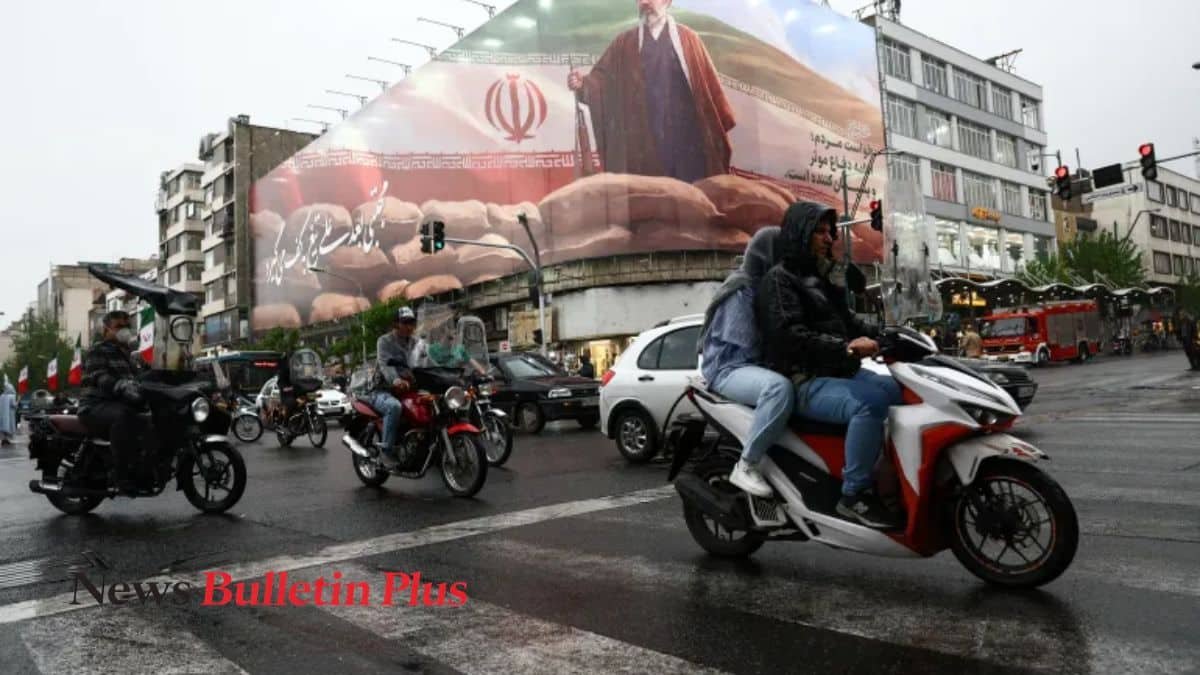
The fragile Iran Ceasefire Extension now hangs in the balance after former US President Donald Trump signaled opposition to prolonging the truce, raising fresh concerns about instability in an already volatile region. With ceasefire talks uncertainty deepening, analysts warn that the situation could quickly spiral into a broader US Iran conflict 2026 scenario if diplomatic efforts collapse.
At stake is more than just a temporary halt in hostilities. The future of regional security, global energy markets, and ongoing diplomatic channels could all be affected if the ceasefire ends without a clear path forward.
What Happened
Tensions escalated after Trump publicly stated he does not support extending the ceasefire agreement with Iran, citing doubts about its effectiveness and long-term value.
The current truce—negotiated amid rising Middle East tensions was meant to provide breathing room for both sides to engage in dialogue. However, recent remarks suggest that Washington’s position may be shifting toward a harder stance.
Officials familiar with the situation say there is growing disagreement within policy circles over how to handle Iran’s regional activities and military posture. While some favor continued engagement, others argue that extending the truce without concessions could embolden Tehran.
This divide is now feeding into broader diplomatic negotiations, making it harder to reach consensus before the ceasefire deadline.
Background of the Story
The ceasefire emerged after months of rising hostilities between the US and Iran, including naval incidents, proxy clashes, and threats to key shipping routes near the Strait of Hormuz.
At its peak, the standoff raised fears of a direct confrontation. Energy markets reacted sharply, with oil prices fluctuating amid concerns about supply disruptions.


Historically, relations between Washington and Tehran have been tense, particularly since the collapse of the 2015 nuclear agreement. Trump’s earlier Trump Iran policy was marked by sanctions, economic pressure, and a withdrawal from diplomatic frameworks.
The current ceasefire was seen as a temporary reset—an opportunity to prevent immediate escalation while exploring longer-term solutions.
Reactions and Statements
Reactions to Trump’s comments have been swift and divided.
Some US officials argue that extending the truce is necessary to avoid a dangerous escalation. A senior diplomat, speaking on condition of anonymity, told reporters that “ending the ceasefire without a fallback plan could increase the war escalation risk significantly.”
On the other side, hardliners insist that Iran must first demonstrate concrete changes in its behavior before any extension is considered.
Iranian officials, meanwhile, have warned that failure to extend the agreement could lead to “proportionate responses.” State media reports suggest Tehran is already reviewing contingency plans in case negotiations fail.
International observers are also watching closely. Analysts at the International Crisis Group noted that “the window for diplomacy is narrowing, and both sides appear to be preparing for multiple scenarios.”
Global or Political Impact
The potential collapse of the ceasefire could have far-reaching consequences beyond the immediate region.
One of the most pressing concerns is the risk of a global oil crisis. The Middle East remains a critical hub for energy exports, and any disruption—especially around key maritime routes—could send prices soaring.
Countries heavily dependent on imported energy, including those in Asia and Europe, are particularly vulnerable. Even short-term instability could trigger inflationary pressures worldwide.
There are also broader geopolitical implications. Regional players, including Gulf states and neighboring countries, may be drawn into the conflict, either directly or through proxy engagements.
Interestingly, some analysts point to the role of peace talks Pakistan has occasionally facilitated in regional diplomacy. While Islamabad has not taken a central role in this specific situation, its past involvement highlights the importance of neutral intermediaries in de-escalating tensions.
Expert Analysis
Security experts say the current situation reflects a deeper strategic dilemma.
“Both sides are trying to avoid war, but neither wants to appear weak,” said a Middle East analyst at a leading policy institute. “That creates a dangerous gap where miscalculations can occur.”
Military experts also warn about the military threat Iran could pose if the ceasefire collapses. Iran’s network of regional allies and its missile capabilities mean any conflict could quickly expand beyond bilateral engagement.
Data from recent defense assessments suggest that even limited clashes could disrupt shipping lanes and trigger wider instability.
Timeline of Events
- Early 2026 – Rising tensions and naval incidents increase fears of conflict
- Mid-2026 – Temporary ceasefire agreement reached between US and Iran
- Recent Weeks – Ongoing negotiations face delays and disagreements
- Latest Development – Trump signals opposition to extending the ceasefire
Related Developments
- Increased military presence in strategic waterways
- Renewed sanctions discussions in Washington
- Diplomatic outreach by European and regional actors
- Heightened security alerts across Gulf nations
What Happens Next
The coming days will be critical.
If negotiators fail to reach an agreement, the ceasefire could expire, potentially reopening the door to direct confrontation. However, last-minute diplomacy is still possible.
Some experts believe both sides may opt for a short-term extension to buy time. Others are less optimistic, pointing to growing mistrust and political pressure.
There is also the possibility of backchannel talks—quiet negotiations that often play a key role in resolving high-stakes disputes.
Why This News Matters
This isn’t just another diplomatic standoff. The outcome of the Iran Ceasefire Extension debate could shape the geopolitical landscape for months, if not years.
For everyday people, the impact may be felt through rising fuel prices, economic uncertainty, and increased global instability.
For policymakers, the stakes are even higher. The choices made now could either prevent a crisis—or accelerate one.
Key Takeaways
- Trump’s stance has complicated already fragile ceasefire discussions
- The risk of renewed conflict is rising amid stalled negotiations
- Global energy markets could be affected if tensions escalate
- Diplomatic efforts are ongoing but face significant challenges
Conclusion
The future of the ceasefire between the US and Iran remains uncertain, with political divisions and strategic calculations shaping the path ahead. Trump’s opposition has added a new layer of complexity, making it harder for negotiators to find common ground.
As the deadline approaches, the world is watching closely. Will diplomacy prevail, or will the region slide back toward confrontation?
The answer could define the next chapter of Middle East geopolitics—and its ripple effects may be felt far beyond the region.
Source & Verification
This news topic is also reported by the international news organization Al Jazeera. Iran Ceasefire Extension Breakdown: What Happens If the Truce Ends
Risk Reference: