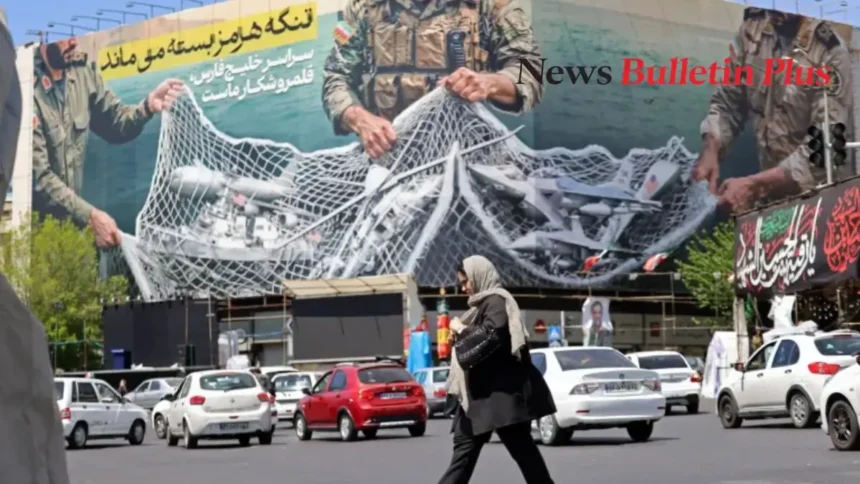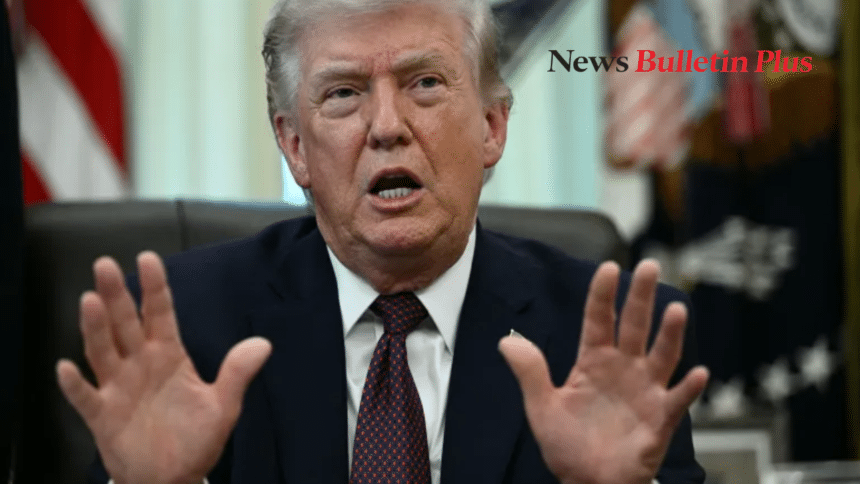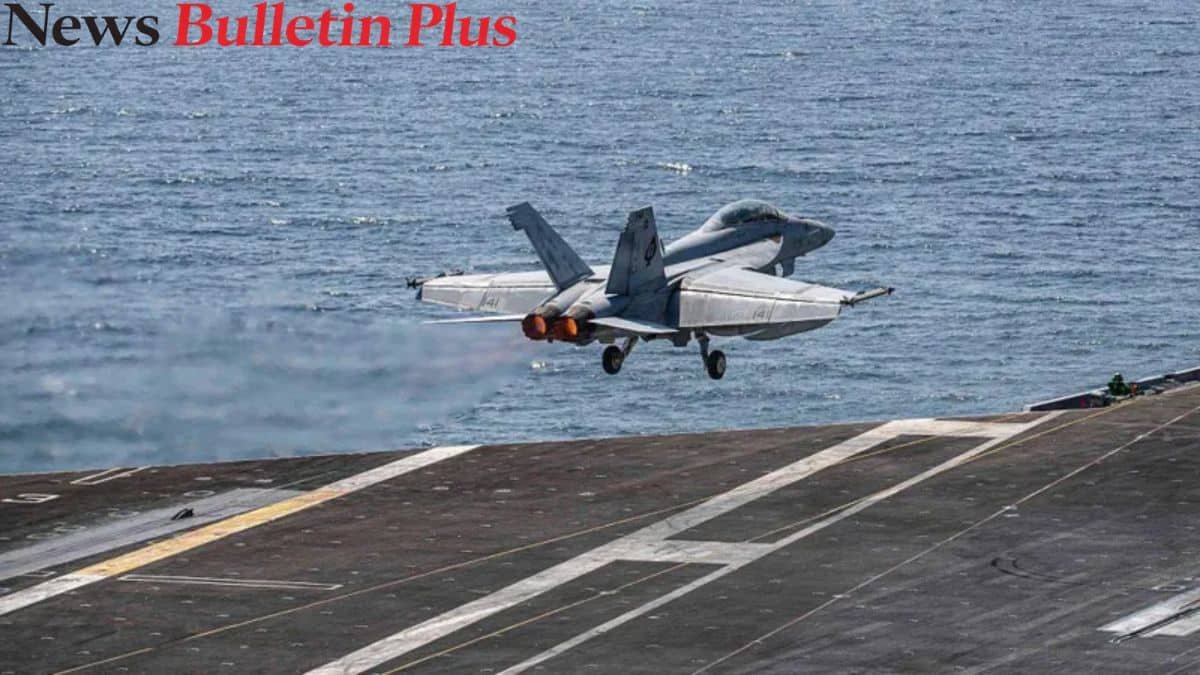
The growing confrontation between Tehran and Washington took another dangerous turn after Iran announced that it had launched attacks targeting a US military installation following a new wave of American airstrikes.
The latest exchange has intensified fears of a broader regional conflict, with military analysts warning that the situation could quickly spiral beyond direct clashes between the United States and Iran. The development comes at a time when shipping routes, oil markets, and diplomatic channels across the Middle East are already under heavy pressure.
Officials in Tehran described the operation as a response to recent American military actions, while Washington said its strikes were aimed at preventing threats against US forces and allies in the region.
Political observers say the current escalation marks one of the most serious moments in the ongoing Iran-US conflict in recent years.
Key Takeaways
- Iran claimed responsibility for targeting an American military base after fresh US attacks.
- New US strikes on Iran reportedly focused on military and naval infrastructure.
- Tensions near the Strait of Hormuz are raising concerns about global oil supplies.
- International leaders are urging restraint to avoid a wider Middle East war.
- Military analysts believe further retaliation from both sides remains possible.
What Happened
Iranian state media reported that the country launched retaliatory operations against what it described as an American military target in the Gulf region. The move came shortly after reports emerged of fresh US attacks connected to military facilities and strategic infrastructure inside Iran.
According to regional reports, several explosions were heard near areas associated with Iranian military activity, including locations linked to the Islamic Revolutionary Guard Corps. Some reports also pointed to damage connected to Bandar Abbas strikes, a strategically important coastal zone near the Strait of Hormuz.
Iran’s military leadership later released an IRGC statement, saying the country would respond firmly to any further attacks on its territory. The statement accused Washington of destabilizing the region and warned that Iran’s armed forces remained on “full operational readiness.”
American defense officials, meanwhile, confirmed military operations had taken place but argued the strikes were defensive in nature. US officials claimed intelligence indicated growing threats against American personnel and allied facilities in the region.


No official casualty figures were immediately released by either side.
Timeline of Events
Early Developments
- Reports surfaced of new American airstrikes targeting Iranian-linked sites.
- Explosions were reported near military and naval infrastructure.
Iran’s Response
- Tehran announced retaliatory operations against an American military target.
- Iranian media framed the response as a direct warning to Washington.
Regional Fallout
- Gulf states increased security monitoring.
- Oil prices reacted sharply amid fears of supply disruption.
- International diplomats called for de-escalation.
Background of the Story
The confrontation follows months of rising hostility between Tehran and Washington. Tensions had already been building due to disputes over sanctions, regional militias, maritime security, and nuclear negotiations.
The Strait of Hormuz remains a central flashpoint in the crisis. Nearly one-fifth of the world’s oil passes through the narrow waterway, making any military activity there a serious concern for global energy markets.
Experts say the latest Strait of Hormuz crisis could have consequences far beyond the Middle East. Even temporary disruptions in shipping traffic could impact fuel prices worldwide and place additional pressure on economies already dealing with inflation and supply chain instability.
The United States has maintained a large military presence in the Gulf for decades, arguing that its forces are necessary to protect trade routes and regional allies. Iran, however, sees that presence as a direct security threat.
This latest Iran retaliation attack appears to reflect Tehran’s effort to show that it is willing to respond directly to military pressure rather than relying solely on allied groups in the region.
Reactions and Statements
International reactions came quickly after the latest escalation.
The United Nations called for “maximum restraint” and warned that continued military exchanges could trigger a wider regional emergency. European diplomats also urged both countries to reopen communication channels before the situation worsens further.
Oil markets reacted almost immediately. Brent crude prices rose during early trading amid fears that prolonged instability could affect shipping through the Gulf.
Military experts interviewed by regional broadcasters said the attacks demonstrate how fragile the security situation has become. Some analysts warned that even limited exchanges carry the risk of miscalculation.
“This is the kind of crisis where a single incident can rapidly expand into something much larger,” one regional security analyst told international media outlets.
Meanwhile, social media platforms across the Middle East saw a surge in videos and unverified footage claiming to show explosions and military activity. Officials from both countries cautioned against spreading misinformation during the unfolding crisis.
Expert Analysis
Security researchers say the latest confrontation reflects a shift in how both sides are approaching deterrence.
In previous years, tensions often played out through proxy groups or covert operations. This time, however, both Tehran and Washington appear more willing to publicly acknowledge military actions.
Experts at several international think tanks believe the attacks are also tied to broader geopolitical calculations. Iran has been attempting to project strength domestically and regionally, while the United States is under pressure to reassure allies concerned about regional security threats.
Analysts also note that attacks connected to a US military base attack could trigger stronger American responses if casualties are confirmed.
“There is enormous pressure on both governments not to appear weak,” one Middle East researcher said. “That creates a dangerous environment where retaliation can become cyclical.”
Global and Political Impact
The latest escalation has once again placed the Middle East at the center of global diplomatic concerns.
Countries heavily dependent on Gulf oil exports are watching the situation closely. Financial markets also showed signs of nervousness as investors assessed the possibility of prolonged instability.
The conflict could also complicate already fragile diplomatic negotiations related to Iran’s nuclear program. Several international mediators had recently attempted to revive indirect talks, but renewed military action may now delay those efforts.
Regional governments are also worried about the possibility of attacks spreading beyond Iran and US-linked targets. Increased military activity in Iraq, Syria, and Gulf waters could place additional strain on regional security systems.
Some political analysts believe the crisis may reshape alliances across the region over the coming months.
Related Developments
The latest escalation follows several recent incidents involving:
- Maritime security operations in Gulf waters
- Drone and missile interceptions
- Attacks linked to regional armed groups
- Increased military deployments near strategic shipping routes
These developments have contributed to rising Middle East tensions throughout the year.
What Happens Next
At the moment, much depends on whether either side chooses to escalate further.
Diplomatic channels remain open, though communication appears limited. Regional mediators including Gulf states are reportedly working behind the scenes to reduce the risk of direct confrontation.
Military observers say the coming days will be critical. Additional strikes or confirmed casualties could trigger another round of retaliation.
At the same time, global powers are likely to increase diplomatic pressure to prevent a wider regional conflict that could destabilize international markets and security arrangements.
Why This News Matters
The latest exchange between Tehran and Washington is more than a regional dispute. It affects global energy security, international diplomacy, military stability, and financial markets.
For ordinary people around the world, events in the Gulf can quickly influence fuel prices, shipping costs, and economic confidence. For governments, the crisis presents another major test of international diplomacy during an already tense geopolitical period.
As both sides trade accusations and military threats, the risk of further escalation remains very real.
The coming days may determine whether this remains a limited confrontation or develops into a broader regional crisis with worldwide consequences.
Source & Verification
This news topic is also reported by the international news organization BBC. Iran says it targeted American base after fresh US strikes.
Risk Reference:
https://www.bbc.com/news/articles/c98r2qy5809o