Global oil markets moved sharply lower this week as investors reacted to renewed diplomatic signals between Washington and Tehran. The latest decline in crude prices reflects growing expectations that a breakthrough in negotiations could ease pressure on energy supplies and reduce fears of wider conflict in the Middle East.
Analysts say the shift in sentiment has changed short-term trading patterns across the energy sector. The US-Iran peace deal oil prices discussion is now dominating market conversations as traders assess how future agreements could reshape supply flows and stabilize the global market.
Benchmark oil contracts fell after reports suggested progress in Iran US negotiations tied to sanctions relief and regional security issues. Investors are increasingly betting that reduced geopolitical risks could increase exports from Iran and improve overall oil supply expectations.
What Happened
International benchmark Brent crude prices dropped following comments from officials involved in indirect talks between the United States and Iran. Market participants interpreted the developments as a possible step toward easing long-standing tensions that have affected oil shipments and regional stability for years.
The decline was visible across major trading hubs. Brent crude slipped by more than 1% during early trading sessions, while US West Texas Intermediate also recorded losses. Financial analysts noted that the reaction showed how sensitive the crude oil market remains to political signals coming from the Middle East.
Energy traders have closely monitored reports surrounding nuclear discussions, sanctions policy, and shipping security near the Strait of Hormuz, one of the world’s most strategically important oil transit routes. Nearly a fifth of globally traded petroleum passes through the narrow waterway each day, according to estimates from international energy agencies.
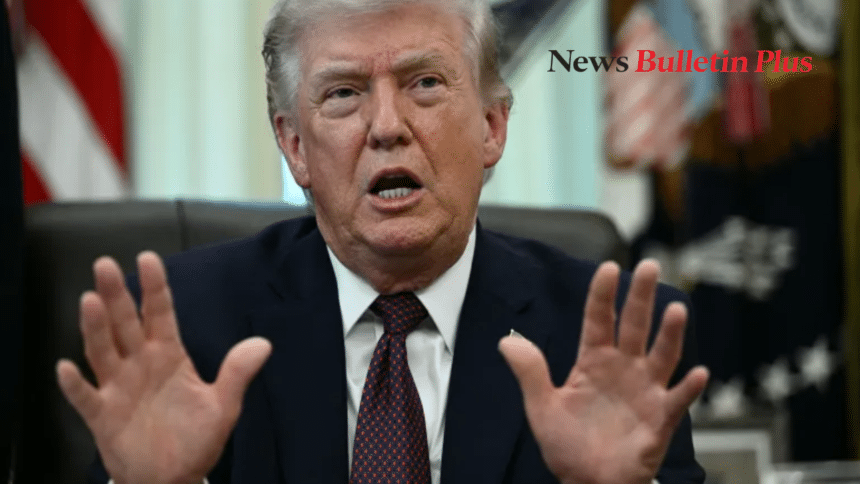
The recent fall in prices came after US President Donald Trump reportedly advised negotiators not to rush into a final agreement with Iran, while still indicating that diplomacy remained possible. Investors appeared to focus more on the continuation of talks rather than the slower pace of negotiations.
Market strategist Helena Morris of Energy Outlook Group said investors are responding to “the possibility of stability rather than certainty.”


“When markets believe there is even a small chance of reduced conflict in the Gulf region, prices tend to react quickly,” she explained.
Background of the Story
The United States and Iran have remained locked in political and economic disputes for years, especially after Washington withdrew from the 2015 nuclear agreement during Trump’s earlier administration. Since then, sanctions on Iranian oil exports have played a major role in shaping the global energy market.
Iran holds some of the world’s largest proven oil reserves. However, international sanctions have significantly restricted its ability to sell oil freely in global markets. If restrictions are eased, analysts believe millions of additional barrels could gradually return to international supply chains.
That possibility is one reason oil prices fall whenever negotiations appear to move in a positive direction.
At the same time, Middle East tensions continue to influence investor confidence. Regional conflicts involving Iran-backed groups, maritime attacks, and military operations have repeatedly raised fears of supply disruptions over the past two years.
Shipping activity through the Strait of Hormuz remains especially important. Any threat to vessel movement there can immediately trigger higher prices due to fears of interrupted exports from Gulf producers including Saudi Arabia, Iraq, Kuwait, and the United Arab Emirates.
Reactions and Statements
Officials from both Washington and Tehran have offered cautious remarks in recent days. While neither side has confirmed a breakthrough, diplomats suggested communication channels remain open.
Iranian representatives reportedly emphasized the need for sanctions relief before deeper commitments could be made. US officials, meanwhile, signaled that preventing regional escalation remains a major priority.
Financial institutions and commodity experts also weighed in on the developments.
Analysts at Goldman Sachs noted in a client briefing that expectations surrounding Iranian supply could temporarily cap further price increases if negotiations continue.
Meanwhile, some security experts warned that optimism may still be premature.
“The region remains highly volatile,” said political risk consultant Daniel Reeves. “One military incident in the Gulf could quickly reverse the current trend in prices.”
The International Energy Agency has previously warned that geopolitical instability remains one of the largest risks facing energy markets this year.
Global and Political Impact
The effects of lower oil prices stretch far beyond energy companies.
For consumers, cheaper crude can eventually translate into lower fuel prices, reduced transport costs, and slower inflation. Governments struggling with rising living expenses are watching developments closely, especially in Europe and Asia where energy imports remain critical.
The global energy market has faced persistent uncertainty since the Russia-Ukraine war disrupted supply patterns and pushed countries to seek alternative sources of oil and gas. In that environment, any increase in supply from Iran could offer additional breathing room for import-dependent economies.
However, political consequences may be equally significant.
Improved relations between Washington and Tehran could reshape diplomatic alliances across the Middle East. Countries in the region have spent years adapting to economic sanctions, military tensions, and shifting security arrangements tied to the US-Iran relationship.
Some experts believe successful negotiations could reduce immediate risks of confrontation in Gulf waters. Others argue that deep disagreements over nuclear policy, regional militias, and sanctions enforcement remain unresolved.
There is also concern among some oil-producing nations that additional Iranian exports could increase competition and place downward pressure on revenues.
Key Takeaways
- Oil markets declined after signs of continued diplomatic engagement between the US and Iran.
- Traders believe easing sanctions could increase Iranian oil exports.
- Brent crude prices and US crude benchmarks both recorded losses.
- The Strait of Hormuz remains central to global shipping and energy security.
- Analysts warn that geopolitical risks in the Middle East have not disappeared.
Timeline of Recent Events
2015
The US, Iran, and several world powers signed the nuclear agreement aimed at limiting Iran’s nuclear program.
2018
Washington withdrew from the agreement and reimposed sanctions on Iran.
2024–2025
Regional conflicts and attacks on shipping routes increased concerns over energy supplies.
This Week
Renewed diplomatic signals triggered another drop in oil prices as investors anticipated possible progress in talks.
What Happens Next
Investors are now waiting for clearer indications from upcoming diplomatic meetings and official policy statements. Markets will likely continue reacting to every update connected to sanctions, shipping security, and nuclear negotiations.
Analysts expect volatility to remain high in the short term. Much depends on whether talks produce measurable agreements or stall once again.
If negotiations succeed, Iran could gradually raise exports, potentially reshaping global oil supply expectations over the coming months. But if discussions collapse or regional conflict intensifies, prices could rebound sharply.
Energy traders are also monitoring economic demand from China and the United States, both of which remain major drivers of oil consumption worldwide.
Why This News Matters
The latest movements in oil markets highlight how deeply politics and energy remain connected. A single diplomatic development can influence prices, government policies, transportation costs, and household expenses around the world.
The current debate surrounding the fall in oil prices, the global energy market, and future Iran US negotiations is not just about commodities trading. It reflects broader questions about economic stability, regional security, and the future balance of power in the Middle East.
For now, markets appear cautiously hopeful. But in a region shaped by decades of political tension, investors know that optimism can change very quickly.
Source & Verification
This news topic is also reported by the international news organization BBC. Oil Prices Slide as Hopes Grow for US-Iran Peace Deal and Nuclear Talks Progress.
Risk Reference:
https://www.bbc.com/news/articles/c809m7g29r7o